
Changes & DAS Denials at Disney World
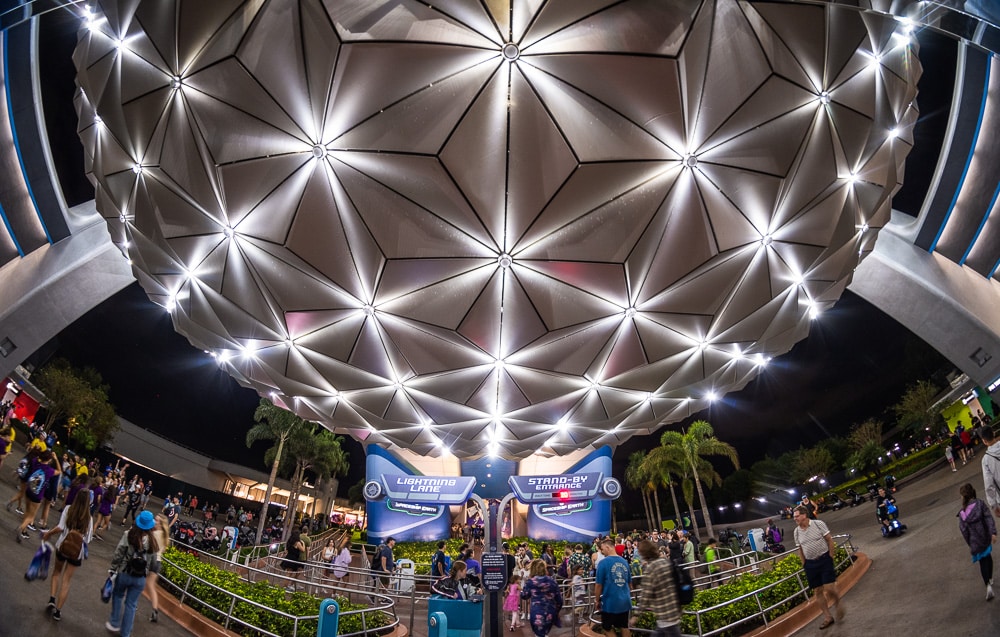
The relaunch of Disability Access Service at Walt Disney World started rolling out last week, bringing with it a more stringent process to qualify for DAS. As a result, there have been widespread reports of guests who previously had the pass being denied and advised to use alternative accommodations, some of which are new (or revised and being advertised more prominently).
We’ve been following this saga closely, receiving reports from readers and reading accounts of other guests applying for accommodations after the overhaul of the Disability Access Service at Walt Disney World. Obviously, it’s a highly sensitive subject that is very, very personal since it is, quite literally, make or break for some guests trying to experience Walt Disney World. (Something we hope you’ll keep in mind before leaving a crass comment.)
If this is the first you’re hearing of the changes and are wondering why Disney is once again redoing DAS at Walt Disney World and Disneyland, it’s due in large part to abuse, misuse, and proliferation of the program’s use. That article covers a lot of ground about the specifics of the new-look Disability Access Service, plus our commentary about winners & losers, as well as collateral damage and more.
According to Walt Disney World, “DAS is intended to accommodate a small percentage of guests who, due to a developmental disability like autism or similar, are unable to wait in a conventional queue for an extended period of time.” This line (or a variation thereof) can be found repeatedly throughout Walt Disney World’s new DAS resources. From that, it is clear that they’re trying to recalibrate expectations about the intended recipients of DAS.
Walt Disney World has publicly stated that DAS usage has tripled since 2019. Independent of that and prior to it, we received credible reports that the majority of Lightning Lane usage is actually not Genie+ guests, but rather, DAS. Just to put that into perspective for people who might be inclined to believe that DAS is still a low number in the grand scheme of things or relative to Lightning Lanes as a whole. It’s not.
Of course, it’s fair to point out that Disney has exacerbated abuse and misuse by eliminating free FastPass+ and replacing it with paid Lightning Lanes. This new system and each subsequent price increase thereof created a perverse incentive for cheating the system. At the same time, it also expanded the audience for social media “hacks” about how to skip the lines for free. This, in turn, created its own vicious cycle. As this DAS abuse content proliferated, it became normalized by virtue of its ubiquity.
This isn’t to excuse anyone for cheating or lying. Everyone is accountable for their own actions, and what’s wrong is wrong. We’re only suggesting that Disney’s hands are far from clean in this whole mess, and where things are today is largely the predictable result of Disney monetizing line-skipping. But I digress.
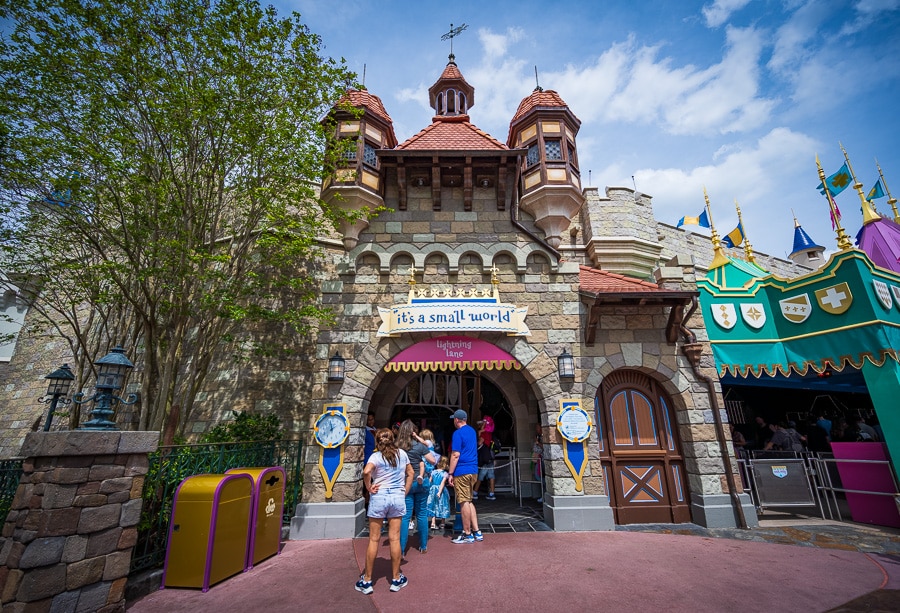
Turning to the changes, the first thing we have is the first official details about the Attraction Queue Re-Entry process. Many guests applying for DAS who don’t qualify have been directed to use this as an alternative. The official Walt Disney World website has been updated with the details on how Attraction Queue Re-Entry will work:
There may be times when a Guest must briefly step out of the standby line and then rejoin their party in the line. Every location has a defined process to support this option based on a person’s disability while the rest of the party remains in line.
How to Use Queue Re-entry
Speak to a Cast member at the location for directions on how to re-enter the queue.
- A Cast Member will provide details about how to exit the queue and how to navigate back to your party.
- While the Guest who must leave the line is briefly away, the rest of the party will remain in line.
- The Guest reunites with their party to ride the attraction.
Note: Guests must meet boarding requirements to ride.
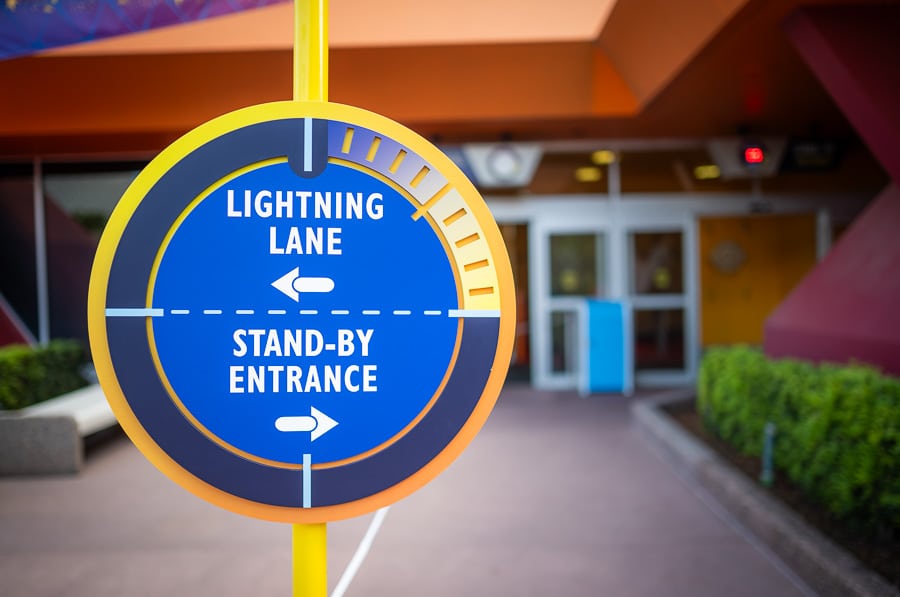
The Attraction Queue Re-Entry feature was one that was anxiously awaited by many Walt Disney World fans, us included. In our DAS at Walt Disney World FAQ, we wrote this about the new offering: “It’s unclear whether this will be a digital system, a physical flip card or something of that sort, involve better Cast Member training and guest communications or what.
It’s possible that Walt Disney World hasn’t even fully figured out the mechanics of how the ‘return to queue’ process will work, or aren’t ready to discuss it for whatever reason. This was the first I had even heard of this being in the pipeline, whereas a DAS overhaul has been in development for a while. I’d be surprised if it’s digital or is anything all that elaborate, but could be wrong.”
Honestly, it seems like Walt Disney World still hasn’t fully figured out what the Attraction Queue Re-Entry feature will be. I’m not sure it should even be called a feature or whether capitalizing it as a term or proper name is even appropriate. It’s my understanding that Disney actually does have a defined process for this and Cast Members have the ability, at least in theory, to implement it at queue entrances and Lightning Lane returns, but I haven’t heard any stories of it working as intended. As it’s presently being conveyed to guests and utilized, Attraction Queue Re-Entry and Return-to-Queue (which I’m told are two separate things) strike me as half-baked.
Although a lot of guests are being directed to this return-to-queue option, it doesn’t sound any different in practice than how leaving lines and rejoining them as always worked. From everything I’ve read, it’s still a ‘fend for yourself’ type deal. The defined process part of the equation, to the extent it’s even being implemented, is not being clearly communicated to guests…which is perhaps the biggest part of the problem.
Granted, I’m coming at this from the outside looking in. I can also understand Disney’s basis for being vague about certain policies, as too much specificity could open the door on abuse of those as influencers, social media groups, and other bad actors hashed out how to exploit them. In a matter of months, we’d be right back in the same spot as DAS was with abuse.
However, I’d also assume that a big issue with leaving lines and rejoining them is a matter of ‘guest glares’ (for lack of a better term). Those with invisible disabilities needing to exit and re-enter the queue are at the mercy of other guests being amenable to people passing them–going in the “wrong” direction to leave and then “cutting” them to rejoin the queue.
There’s no perfect solution, only compromises. Nevertheless, it seems like the Attraction Queue Re-Entry process needs to be a clearly-communicated, transparent, and (ideally) visible. As simplistic as it might sound, think of something like a hall pass from your grade school days. I’m not saying that Disney needs to hand out keys tied to obnoxiously oversized rulers…but what’s happening with this alternative accommodation thus far clearly isn’t working.
“Attraction Queue Re-Entry” needs to be something that is consistent across the board, average guests know exists, and they can see being used so they don’t think others are trying to cheat the system or cut in front of them. Look, I’m on record repeatedly saying that we all should err on the side of courtesy and not judge others–that disabled guests would trade places with you in a second and stand in long lines if it meant not being disabled. And I stand by that.
But the thing is, the overwhelming majority are not reading this blog, and the people that most need to read admonishments like that aren’t doing so. In other words, I’m also a realist. If the “Attraction Queue Re-Entry” feature/process/whatever is not done in such a way that other guests know about it and how it works, it’s going to lead to more disdain towards the disabled. One of the big goals of this overhaul, in my opinion, should be to reduce that–not exacerbate it.
With all of that said, it’s still early. I’ve heard some things suggesting that the return-to-queue process could work well as an alternative to issuing DAS. But in practice, what I’ve read from firsthand accounts of guests is that the Attraction Queue Re-Entry feature is being used as a basis for denying DAS and then the process itself in the parks is unclear and has not gone smoothly.
All of this brings us to the reports of DAS denials, which have been fairly widespread in the last week.
Then I’ve read a lot of other reports of denials that, in all honesty, strike me as ordinary given the announcement and other policies and protocol that Walt Disney World has in place. This is fairly unsurprising, as the process for evaluating DAS requests in the past was not very rigorous–it was more or less a rubber stamping once certain words were said.
This was by design, especially in-park where Guest Relations Cast Members were given the unenviable task of evaluating DAS requests. It was better for them to err on the side of asking too little and issuing DAS too often, both as a matter of law and the Four Keys. (They are not medical or legal professionals, so a liberal approval process was the savvy move for Disney to avoid run afoul of public health and administrative law.)
As a result, DAS was issued to legitimately disabled guests in many scenarios where other accommodations were available. These guests were not abusers (we dubbed them “unwitting misusers” in our previous post about DAS) as their requests were genuine, and they were simply following established procedure. If reevaluated once the new policies take effect, many of them would not receive DAS. That was to be expected, with the anticipated outcome being fewer issuances of DAS.
So some of the stories we’ve read are fairly routine. Denials we’d expect flowing from Walt Disney World’s own stated policies. They make sense given that. That’s all I’m going to say about some such denials, following my own advice about being judgmental towards the disabled. Even if Walt Disney World is technically just tightening up its own process, I’m sure that’s of little solace to those disabled guests who “unwittingly misused” DAS and for whom, as a practical matter, it made the parks so much easier to experience. No sense rubbing salt in the wound.

With that said, we’ve also read reports that are heartbreaking.
I don’t purport to be an expert on this, but some of the guests who have been denied strike me as exactly who the system was designed to accommodate. True, “if not them, then who?” scenarios.
Some of these have been heartbreaking–parents with upcoming trips who are scrambling to figure out how to navigate the parks, or if they even can, given their kids’ conditions. Others who bought into Disney Vacation Club specifically because Walt Disney World was the one vacation destination they could do as a family and feel “normal” for a brief time. Reports that humanize the changes, and put a fine point on the “collateral damage” of a system that absolutely needed overhauling.
One problem with the internet is that it’s impossible to assess not only the veracity of the anecdotes, but proportionality. I have no reason to doubt some of the sad stories I read, but I have no clue what percentage of guests are encountering issues. (To be clear, no one should have negative experiences with Walt Disney World–exemplary guest service is kinda of the whole point. But it does happen from time to time, and there’s no sense in pretending otherwise, even if the overwhelming majority of experiences are great.)
While it shouldn’t be happening to anyone, it does make a difference if 82% of ostensibly valid DAS applicants are being denied, versus 2.8%. And if you were simply reading horror stories on social media, you’d be inclined to assume the number is closer to the former as opposed to the latter. I’m not suggesting either number is accurate–my suspicion is that it’s a double-digits number somewhere between the two. Just that it’s worth remembering that there’s more of an incentive and tendency to voice frustrations and complaints than there is to share ordinary or uneventful experiences.
With that in mind and wanting to hear more firsthand reports, we asked members of our Facebook group: Does anyone have firsthand accounts they’d be willing to share of being approved or denied?”
The first bit of good news is that we received 250+ replies. The bad news is that many of these weren’t answering the question at all, but went on random rants about about DAS, abuse, Disney’s greed (the usual suspects–paid FastPass makes an understandable and obvious appearance…plus cameos by the end of Disney’s Magical Express and free MagicBands), or how Universal does things better. The second bit of good news is that the majority of responses shared that their family members or friends were approved.
In fact, most of the replies were so unremarkable that I almost didn’t write this article. From what I could ascertain, the general trend seemed to be that the process was more thorough than before and required more specific explanations of how guests couldn’t wait in a queue, along with why alternative accommodations wouldn’t work.
Several had praise for Cast Members, with one reader saying they were “wonderfully kind, empathetic and helpful.” Others praised the process, calling it “simple” once it was clear to Cast Members that they couldn’t wait in a traditional standby line. Another offered this explanation: “The registration process was very similar to what we did 2 years ago for our Disney vacation. The cast member was courteous and we didn’t have to wait on hold very long (only 10 minutes or so), which was a welcome change to the extremely long wait times on hold for previous trips. We were approved per Disney guidelines.”
Another reported being “approved but advised to utilize the return to line or rider swap if possible before using the DAS.” From what I gathered on social media, this type of ‘conditional approval’ seems to be happening from time to time. Elsewhere, I read reports of solo travelers being approved for DAS as a party of one only, but required to use the “Attraction Queue Re-Entry” feature/process/whatever if visiting with others.
With that said, there were a few readers who did report denials. One with epilepsy who always previously had DAS reported being denied. One shared that her husband was advised that he would have been advised based on one of his health conditions, if that were his only basis for the request (which was not the case previously), but was approved pursuant to the guidelines based on another diagnosis.
Another with GRIN2A-related disorders who had DAS in the past was denied, sharing the following: “I actually teared up on the call not over the outright denial but over what the other ‘accommodations’ are. The CM could not tell me how anything would work, other than that I would have to likely share his disability over and over to cast members at each ride and they might possibly be able to help, again not known. I do not want to talk in front of my child about his disability every time he wants to ride something, that’s not fair to him. We are out of state APs and Disney has always been wonderful about inclusion. We likely will not be able to renew. And yes I did attempt to contact Disability Services for feedback or simply to try to understand the situation better, but I received a standard reply.”

Honestly, I’m not sure what to make of all this. I posed the question on Facebook because of the horror stories I had read, wanting to get responses from what I presume to be a more representative group. I also assumed that actively soliciting feedback would yield more balanced results. Finally, I figured that waiting until several days had passed after the new DAS system launched meant that things would be going smoother than rollout day. All of that might be correct–or it might be incorrect. Admittedly, this was still a really small sample size in the grand scheme of things.
Nevertheless, my take is that the worst outcomes are receiving a disproportionate amount of attention, while the routine approvals are less discussed. That’s perfectly understandable–those being approved don’t have as much reason to post unsolicited feedback online, especially given that it could function as a playbook for scammers. Conversely, there’s (also understandably) a lot of fear among those who depend on DAS. So denials getting the bulk of the attention makes perfect sense.
I don’t want this to be perceived as flippant, suggesting that everything is going swimmingly with the new-look DAS process or downplaying the denials. Even if the early reports are unrepresentative, they’re still concerning. It’s probably of little solace to those who believe they were denied erroneously or felt interrogated by the Inspire health professionals to learn that they were anomalies. (I’m not even saying they are anomalies–it’s impossible to know what the denial rate is now versus pre-changes!) Even as someone who thought a DAS overhaul was necessary to curb abuse, I want to see it accomplished as fairly, consistently and compassionately as possible.
The final note I’ll end this on pertains those who feel they were given an abrupt and unfair denial after a cursory conversation with a Cast Member. I’ve encountered more than a few fans who had this type of exchange early on with the new DAS process, and are reticent to contact Walt Disney World again because they don’t want to be perceived as trying to game the system and have their file flagged, etc. I do think that’s a fair concern, and one I would also have. However, some of those interviews struck me as incomplete and uncharacteristic of Disney.
While I cannot speak to an official “best practice,” I do know that if I were in the shoes of those individuals, I would contact Disney again and be transparent about how the process played out previously. Explain how it was not as thorough as expected, bases for the accommodations request, and provide all pertinent details that can help. Obviously, be polite but explain how the previous interaction left a bad taste in your mouth, so you wanted to reach out again to see if it had gone accordingly to Walt Disney World’s established protocol. You very well may still end up with a denial, but at least you’ll know it was by the books and not just getting unlucky with a specific health professional wanting to get through their caseload as quickly as possible.
Planning a Walt Disney World trip? Learn about hotels on our Walt Disney World Hotels Reviews page. For where to eat, read our Walt Disney World Restaurant Reviews. To save money on tickets or determine which type to buy, read our Tips for Saving Money on Walt Disney World Tickets post. Our What to Pack for Disney Trips post takes a unique look at clever items to take. For what to do and when to do it, our Walt Disney World Ride Guides will help. For comprehensive advice, the best place to start is our Walt Disney World Trip Planning Guide for everything you need to know!
YOUR THOUGHTS
Anyone have firsthand accounts they’d be willing to share of being approved or denied? (Please be light on details if you were approved. I don’t want to inadvertently turn this into a potential playbook for abusers on what ‘magic words’ to say.) Any firsthand experiences being advised to use the Attraction Queue Re-Entry or Return-to-Queue features? Anyone actually use these options yet? Please try to stay on topic–we’ve noticed some of these DAS comments sections get heated and personal. Discuss the policy itself, not others’ use (or lack thereof) of it.






If some of these people’s health challenges are as bad as they claim, I don’t understand how they can possibly navigate airports, flights, and drives to get to Disney World in the first place.
And the same people cannot understand how people like you could be so abhorrent
TikiFan has a point — perhaps made somewhat abruptly but still a point.
Disney is a theme park/amusement park — the very antithesis of a quiet and soothing environment. Loud noises, flashing lights, darkness/lightness changes — this is what the ride queue (and the ride experience itself) delivers by design. From several posts, these are identified as triggers for some self described afflictions. It is posited that many cannot wait in line with these conditions.
DAS is not equivalent to an ADA accomodation. It is an entitlement — simply wrapped around a condition where some accommodation is being requested with emotion, expectation and righteousness indignation all expressed at once.
I’m not against this and I certainly don’t have sage answers. But this is a non-winnable point. At the end of day, making policy to enable an entitlement that provides some accommodation will come at the expense of someone in a given line at Disney.
Let me put something in perspective for you.
My kids’ school had an active shooter situation and one of their friends was shot (not fatally, thankfully). This has triggered severe anxiety in my daughter. My ASD son was not at school that day, for which we are eternally grateful, because his ASD and SPD already make him severely anxious, but he has a lot of coping mechanisms that we’ve worked on over the years. My daughter was practically his opposite, never much of an anxious person at all. Until this incident.
Now, when she feels too enclosed or trapped, it triggers an anxiety attack. Long lines that are roped off or don’t have clear exit strategies are a trigger to her, as well. This includes Disney ride lines, long airport security lines, etc. To navigate airports, we purchased TSA Pre-check and pre-register at any airport that allows it. For flights, she has to sit bulkhead window (she can see outside via the window to not make her feel as claustrophobic but can also “escape” quickly). For car trips, she sits up front usually and is allowed to roll the window down whenever she needs to for “air”. At Disney, we used DAS. Now, I doubt she’ll qualify, so I honestly don’t see how we will be able to go any time soon. Even purchasing G+ won’t help a lot as you can’t use it more than once per ride. Plus, as anyone who has any kind of anxiety knows, heat and exhaustion just amplify anxiety symptoms.
@knitstich626….. first and foremost I would like to say how horrible it is for your daughter and family to have to deal with such horrendous stress. What happened to her is life changing. Learning and being able to get out into public places such as Disney is tremendous effort for your daughter. I praise your daughter and family for working so hard. Disney is for everyone. I cannot understand why people say things about the conditions of others and whether or not Disney is appropriate for someone else. I hope DAS works with your daughter so she can live her life in the same places as everyone else. Best of luck to your daughter and your family.
You know airports offer traveler assistance, right? They offer different lines, carts to move you thru the airport, and have people to assist the whole way. Homeland security even has special lines for assistance. You can get assistance from curbside, through the flight, and all the way to baggage and claim and ground transportation to depart to final destinations. If you are going to insult the disabled at least be an informed idiot.
There *are* lots of people who simply can’t handle a theme park or even getting there. I have an adult daughter with a serious mental illness who couldn’t handle either a long drive or a short flight and certainly would not have a good time at any crowded theme park. No level of accommodation would enable her to enjoy any theme park, so I have unfortunately given up on getting her to go with me.
On the other hand, I have perfectly healthy relatives who can’t stand crowds and the heat. They wouldn’t go to Disney if the tickets were free and they could walk on the rides with no waiting.
The rest of my normal Disney group doesn’t quite care to go as often as I would like, and/or have physical disabilities that make a day at the park very strenuous, so I’ve taken to fitting in an extra solo trip every year. While I’d prefer to go with family and friends, the solo trips really are a lot cheaper.
They navigate airports, flights and drives with wheelchairs, assistance, EV scooters, planning ahead, taking more time, making sure they have all the accommodations they need, with family and friends, necessary seating, canes, medications, the proper vehicles, shuttles to their gate, service animals, and on and on. Your statement did not negate the need for DAS, nor the right for people to travel on what could be a one time event to WDW and to ask for special consideration. Do you think people are only disabled when they are at WDW? Are you disabled? I am guessing that would be no.
So people with disabilities should not go on family vacations, or even just go out to get out if the house? I hope this never happens to you!!
the outright abusers as adults probably grew up in families that would rent a wheelchair when no one needed one just to skip the lines. abhorrent behavior like this is learned and passed down.
These are wonderful changes. The issue wasn’t just outright abuse, but as you can see in the DAS FB groups, anyone who has ever had any sort of health challenge feels entitled to avoid the lines of Disney. And everyone has “heat sensitivity” and gets “anxious in long lines”. Of course, they are already trading tips and tricks on how to work the system and get approved, so Disney will need to remain vigilant in keeping the program for who its designed for.
Hi Tom,
We are AP. My son is severely developmentally disabled. He is on Social Security disability and Medicare. Our DAS is expiring, so we reapplied today online and was rejected. Disney refused to look at any documents I have.
Alex
One thing that would help avoid the “glares” is if they would figure out a way to police their lines better. When you see someone leave, then later come back, it’s no big deal. When a group of 10 teenagers push past you to meet their friends who have already been in line for 45 minutes and you know they didn’t leave and come back…..it’s especially aggravating. If Disney could figure out how to stop this from happening then maybe people would be more accommodating when people do return to the line for a valid reason.
I have been to WDW many times but DL only once. DL didn’t have that type of behavior–people were very respectful of lines. At WDW I have people push past me in line at least once per day, usually teenagers who seem to have gotten the message that “nobody will do anything”.
I wanted to say this same thing. The line jumping is out of control. It’s not just the teenagers. I was down at WDW the end of April and it was groups of 20 to 30 year olds that would line jump to catch up with their friends. If you held your ground and not let them pass they would just find another way crawling over or under the lane dividers. Sometimes the CMs would see it and most would do nothing but occasionally there would be a rare cast member that would hold them accountable.
Disney needs to get control of this and then have a very structured way to allow a return to line option. If this was all in place and visible to everyone then there would be no glares.
Totally agree and my first thought when I was reading this. People are abusing lines by sending one party member to “hold” their place while a group powers through to catch up with them. People using a return to line SHOULD be given something visible that can be turned in at the end of the line and I think most people would be understanding of the process.
In early May we encountered a group of grown adults who had a strategy new to me – the woman would walk up and press against you, looking over your shoulder and physically touching you. Then when you reacted, turned or looked at her, she would sort of smile and look around… you go back to normal and she would do it again, only then sort of nudging to the side, then eventually push through you. She led a group of I think it was 8 adults who would all sort of shrug and follow her pushing through the line. They were all pretending not to know English and three men at the back of the group were clearly embarrassed as after about a half hour one accidentally responded to a nearby conversation about something on a map. I feel like I got the last laugh because the CM cut off the back end of their group to let LL through and there was a good 10 minute gap between the pushing woman and the end of their party.
I was in a wheelchair still waiting in an hour long line at Guardians that we got up very early to get in the virtual queue for and we saw exactly that. 8-10 people pushed around me to meet their friends ahead in the line. It’s hard to say something when your head is at the level of people’s butts. Crazy thing was one person ran around me, ( I was stationary at the time) tripped on the foot hold of my wheelchair and looked back at me like it was my fault. That was fun.
The biggest question to me is how Attraction Queue Re-Entry works if you’re visiting alone? Or for one adult visiting with multiple children? Or a party of two where the DAS guest needs help from the other person in their party to navigate in and out of the queue? The policy seems to assume that the that needs to leave the queue has another person in their party to return to in line. What happens when that’s not the case?
The DAS System was abuse and needed to updated but this roll out is terrible. A company a big as Disney shouldn’t roll it out until ALL aspects are figured out and properly trained. I use to see “hacks” online all the time and it was frustrating. Sadly, I feel poeple who abused the system will find a way to abuse it again. My issue with the new DAS is it’s ignoring people with disabilities classified as medical or mental. If they now have a medical team to asist them then it should apply to all types of disabilities including “invisible ones”. In 2017 I went to DW and had to leave the line on different rides frequently. I would receive the “death glares” or very rude comments (shocked at what parents say in front of their children). I ended up explaining my issue to CM all day every day and to families who were angry thinking I skipped the line to return to the line. I felt I needed to so they wouldn’t be upset and ruin their day. It created embarassment, anxiety and a times a few panic attacks, which makes my condition worst or flare. The last day was the breaking point. A family was so rude and mean it brought me to tears. The CM got involved and suggested I apply for DAS, since it was my last day I just left the park. When I went back in 2022 I applied and was approved and it was a game changer. I wasn’t embarrassed (which helped the anxiety which can amplify the condition). I waited my time, I didn’t double up with Genie+ etc and throughly enjoyed Disney once again. So much so I went back in 2023 for a monumental birthday trip. Now I’m not sure I will be back. The return to line does not help the embarrassment, the anxiety and actual panic of repeating your condition over and over. Clearly HIPPA doesn’t apply there when you have to tell every CM at every ride. If I have to keep repeating my condition then move to what Universal does so it can be explained once and prove it’s needed. I liked I didn’t have to go through tons of paperwork but Disney not giving it to medical disabilities is worse in my opinion. What I’ve seen the most are comments regarding people who have the disability have to wait outside the line while their family waits in line and then they meet up when it’s time to ride. How is that a reasonable accomodation??? It is keeping families apart through most of the day. Even if I don’t go again or if I do go and can’t get it I have a real issue with keeping families apart every time they want to get on a ride which is why people to go Disney. Between having to be on the phone to book rides and now many people being separtated while waiting in line Disney is single handedly ruining a “Family Vacation”. Disney has really missed the mark with the last several “changes” and taking the family and magical aspects away.
“How is that a reasonable accomodation?”
It’s a reasonable accommodation because it meets your medical need, and is something many people in line would love to do but don’t get to do.
Reply to Thomas…
I am NOT referring to me, my comment about Reasonable Accomodations was concern for the families this past week who have children with developmental disability that were denied (because they didn’t meet their checklist) or medical disabilities but no longer qualify or DAS but given return to queue option . Their solution is separating families for long periods of time in a destination that is a place to go on a family vacation, that to me (in my opinion) is not a reasonable accomodation. If you had a child who truly couldn’t wait in line, you would be ok being split up from them for most the day?
Having a disability alone won’t get someone access to a DAS pass. Walt Disney World is already ADA-compliant without DAS. Then factor in that more and more children and adults are getting diagnosed with a developmental disability like ADHD and Autism. Out of those people with developmental disabilities, there will be some who can wait in line. It all comes down to how the person explains how their diagnosis effects them in line.
Hi Tom,
The cutting down of DAS service is actually in line with Disney’s general direction during the recent years. The abuse of DAS is merely the excuse; Disney just wants to serve less and charge more. The magic express was eliminated even though there was no abuse. Genie+ was created not because fastpass was abused. Disney is sending out this message: we used to care about disabled people and want to make their lives easier in Disney World. We used to care about all our guests. Now we care about one thing only: make more money. You say that disabled people have a much tougher time waiting in lines at Disney World? That Genie+ doesn’t work as well as DAS? Well, guess what? We don’t care! The DAS is not making money and in fact, a big money loser for the Genie+, so let’s get rid of it. People say that without DAS, they won’t go to Disney World anymore, but that’s the same thing they said about the magic express and the fastpass, and yet the parks are busier now than ever. Once the memory of the DAS fades like the magic express, the disabled people will keep going to Disney World like always. Even if they don’t, somebody else will go in their place.
For me and my autistic son, we are going to Disney World no matter what Disney does to us. We love Disney World; we can’t help it. But I always manage to arrange the money so that Disney doesn’t get more out of us: by staying offsite some of the time and having fewer park days and more resort days. And eat less.
Alex
Hopefully this works and it cuts out the fakers- that would be a win for everyone
It’s sad what must be done to get help when needed but there are still reasons that will qualify you without being proven. Guess if one has to lie and use them it’s their choice. They need to do a little research before calling DAS but it’s easily gotten around if needed.
I have severe digestive issues. I have used DAS to great success dozens of times, on Solo trips and with my wife. I simply cannot predict when I’ll need to rapidly exit a line to use the restroom. It happens multiple times daily. There are times when the DAS return wait is too long, but that’s acceptable and understandable, there is no reasonable solution with no line period.
We have a trip in mid June and I called to apply for DAS and was rejected, told to use the return to line system but as you say, no clear explanation of how it is intended to work. So now my wife will need to wait in hour long lines alone while I hover near a bathroom, then push to the front of the line when she gets close. Miserable for both of us. Also unclear what I’m supposed to do when I have a solo trip.
Poorly thought out changes that are apparently needed to punish abusers without knowing how many people are really abusing. If disney shows a huge drop in usage with the new rules and cites stopping abuse it’s meaningless – they’re stopping people with issues beyond autism that also need it but are now being rejected.
In a nutshell, Disneyland’s motto has always been “The happiest place on earth”. If all guests would remember that and strive for everyone to have a happy experience, not just their own party, a lot of these DAS issues would disappear. As the parent of a severely autistic child, without DAS , not only would she be unhappy but everyone around her waiting in line.(We’ve tried that)As she moans, screams, sways back and forth, and tries to go ahead of people since she doesn’t understand the concept of lines. Plus, she isn’t getting on the ride any quicker than others, she’s just spending the waiting time walking around, eating, etc.
This is such a tough one for me. have visited Disney with my daughter multiple times before her diagnosis with ASD. Did not understand why she would struggle so much standing in line, brought games,, activities to do while waiting but still would break down in tears, stimming, covering eyes and ears, so much if it was longer than 20 minutes or we could not get a fast pass we did not ride it. sometimes we lost a day and just stayed at the hotel to swim, she loved the rides (craves the stimulus from those while hating other sensory issues) Had finally sworn off Disney we were told about sea world being a autism certified park and tried that, and the DAS there was a a lifesaver. when we found out about the Das at disney we tried it on a party night while in town, was amazing, but it also felt like cheating compared to Sea World/Busch gardens where I had to be present at a ride to get signed it. Why can’t it be more like that, I should not be able to book a new wait time while still in line for my previous one, or get to count walking, restroom breaks, play area time as part of my wait time. we are going on our first full vacation with her diagnosis this year and fully expect to be approved, but still feel like it does give us an unfair advantage. i take some comfort in knowing at least we aren’t like a family acquaintance who takes a wheel chair bound family member just to avoid the lines, which this will prevent. I also expect and understand the dirty looks because of our DAS use, especially since she masks so well most people who don’t know her well would never guess she had any issue.
This is a reason you CAN get a DAS. As quoted on their website “DAS is intended to accommodate only those Guests who, due to a developmental disability like autism or similar disorder, are unable to wait in a conventional queue for an extended period of time.”
I’m sure many will now be having this disorder
once again Disney shoots itself in the foot over an exception, not a rule. we got back from disney 3 weeks ago and it’s a complicated mess. disney days are over. I gave it a shot
i had no problem with the Attraction Queue Re-Entry this past weekend. was on Soarin and had to use the restroom. Asked the folks around us if it was OK with them. Went back and spoke to an attendant and they said it was OK. Came back and was let right back in and proceeded to go back to where my wife was. We were in the stand by line and it was no problem. Maybe I am commenting on the wrong thing, but it felt very seamless to me.
You’re not commenting on the wrong thing at all–I appreciate you posting your experience!
Part of the (unsolvable, honestly) problem with Attraction Queue Re-Entry is that it’s going to work differently for different attractions and people. Those in ECVs are going to have more difficulties with it, especially at older attractions with retrofit queues. It’s also, generally, going to be easier at newer rides that were built with accessibility (and also FastPass/Lightning Lanes) in mind.
Nevertheless, it’s good to hear from you–and a few others on this post–that Attraction Queue Re-Entry worked well. Pretty much all I’ve seen elsewhere are horror stories. But again, people are more likely to post negative experiences online than ordinary/uneventful ones.
Thanks for sharing!
Well, I’ll see what they tell me this year. I have used it twice before. But I understand that this DAS is for people who have issues ‘waiting in line in tight spaces sometimes. A person in a wheel chair, or with a prosthetic does not always meet that criteria. Being a Military Veteran I went years without using the DAS system, even being 100% rated by the VA. I have all my limbs, but the joints that connected are falling apart. If it were only that, I wouldn’t mind being in a wheelchair while waiting for the ride. Many of the veterans that I know, even ones with missing limbs, know that DAS isn’t for them. Same reasoning that led me to believe that I didn’t need it. But as my PTSD progressed through life, I find myself on the edge of panic attacks when being funneled through slightly tight and dark spaces. For this reason, I have applied for DAS on my last 2 trips and will do so for my next trip in July. I am not knocking anyone for trying, but take a step back and ask yourself, Do I really need it as opposed to someone else getting it?
My husband is Totally and Permanently disabled with PTSD/TBI and let me say that there are moments when It’s a good thing I am with him to prevent a horrible scene and possible fights. People can be very rude and uncaring when it comes to unseen disabilities. The last time we visited a couple months ago we couldn’t get through a tight space and a person yelled at my husband that he ran over his foot. I had to step in and reason with the man because he actually put his finger in my husband’s chest accusing him. I told him that my husband was a wounded veteran and he said ” I don’t care”. That kind of thing will cause a flashback and my husband will be in a dangerous state. So I pray Disney revises their list of allowable DAS passes. We won’t be able to enjoy the park like before if my husband is not granted it for our next visit. They just aren’t trained in PTSD/TBI symptoms. I am his caretaker and cannot wait in line without him with me. He is unable to regulate his emotions during situations like this…large crowds and tight spaces. Best of luck to you!
I’m an autistic adult. I’ve been using das for ten years. during the call I felt gaslit, ignored, talked down too and it pushed me into a huge meltdown. it was horrible. I couldn’t even get the words out that I needed too so I could really explain why I needed it. having to push in and out of line over and over and over again would be even worse.
I tried to get though to them again on a new call but panicked and logged off.
going to try again when my spouse is available to do a lot of the speaking for me.
a lot of autistic adults are experiencing this but most of us are afraid to be loud and public about it because of how people already treat us.
Brbi…. I wish you the best of luck getting your DAS pass. Please do have someone help you. Best wishes for you and your husband to have a wonderful Disney vacation.
everything that iger does is to get more money to subside failing Disney plus. every person who is denied das is another 35 dollars of genie plus for iger. Tom should investigate how iger has destroyed all that walt Disney built.
I’d be shocked if this decision was made by Iger–it seems way below his pay grade. (He probably did need to be briefed or sign off, as it’ll inevitably end in litigation.)
I also don’t think it was motivated by a desire to capture more Genie+ revenue, nor will that be the result. “Every” person being denied DAS won’t drop $35/day on Genie. Many of them will cancel trips and not visit instead. That lost revenue will close to (or more than) offset the gains from Genie+ sales.
This change was motivated by Lightning Lanes (and standby lines, by extension) becoming more and more broken. We can debate the underlying causes of that (see the opening of the post), but that’s absolutely the motivation.
I have to agree with Tom, the extent to which the line system was broken by DAS use had become glaringly obvious. When the line backed up, you would get the LL rushing past for a good hundred people, then one family from the regular line, and back to ALL LL. A few weeks ago they were loading Small World by having one boat be completely LL and one standby, but every few boats they would pause the standby and fill it with more LL to keep that one going. That’s not ok. It’s not sustainable when easily half the people in the park are grouped with at least one person who can legitimately say they have SOME disability. At some point the LL use was getting so extreme it was causing more need for DAS because that many more people couldn’t handle the line only because of the number of other people not having to wait in it.
Truly, if they took away the ability to book DAS in the app so people didn’t book from across the park, stop for a drink and bathroom break then walk into LL, there wouldn’t be as many DAS bookings. Or you would have people with DAS whose touring patterns would be altered and they wouldn’t get as many rides in. But it wouldn’t be “unfair” to do this as the number of rides would be comparable to a standby guest rather than easily 2-3 times the ability in the same window of time. (and I completely understand the struggle of disabilities, it’s a difficult line to navigate why one person can stop for lunch or a swim while they are “in line” and another can’t but we pretend that’s not an advantage)
Wow. You really don’t understand the life of a genuine disabled person. My 36 yr old special needs daughter does NOT get to ride more rides or just have have a grand old time sipping a beverage then waltzing into LL. You really need to educate yourself
I also would like to that people who are legitimately disabled are more then likely not even going on the “ best “ rides. Please educate yourself before making assumptions
Except you are the one making assumptions here. There is nothing controversial about stating that a person with a DAS pass can book a wait time from across the park and then stop for other things with that time they spend eating , shopping, or taking breaks counting as being in line. That is simply an explanation of what the system is with the in app reservations.
I’m not sure why you keep pointing out that your child is genuinely disabled as if other people are not. The discussions about this all across the internet includes people explaining why their disability means that they need to loop and it’s not fair if they can’t do this thing in the your typical non-disabled guest can not. It is entirely possible that that is not your use, but the system is absolutely being used like this by people who have legitimate disabilities.
I truly don’t even know what you’re talking about . I’m trying to understand your point but I’m not seeing it. I have never nor would I ever doubt a truly disabled person. One , I am in the medical field and two I’ve been fortunate enough to be able to care for my “ genuinely special needs “ adult daughter. So yes people who are genuinely disabled as opposed to those who are not all deserve DAS. Places like Disney are required to assist disabled people. So again educate yourself in the realities of people with “ genuine disabilities “ . I reference this phrase to decipher those with disabilities vs those without disabilities trying to get DAS. Which I will also add is the entire point of this article and Disney making changes.
DAS has been allowing people to reserve their next ride and “enter the line” while they are still waiting to board the previous ride. This means you can get in line for buzz while you are in the stretching room for the haunted mansion. Or you can “get in line” while you are eating lunch, or doing whatever it is you need to do.
A non-disabled guest cannot do this. I was commenting to the effect that I don’t believe they are cracking down on DAS to make money, But rather because there are simply too many people with disabilities who qualify.
There are people with real disabilities who are looping Tower of terror, or slinky dog, or the mine train. Some of these people truly cannot handle a line situation, And some of these people have a disability and don’t want to handle the line situation. It’s not my place to say who is who, But there are people who are getting an advantage by using the pass and also have a disability. There are rides my family will no longer be able to go on without it, but most rides we won’t notice a difference so that is something we will navigate. Sometimes that is how things work. This should not be a discussion of who is “genuinely disabled” or “most disabled”, it is an issue of whether the accommodation being offered is the correct accommodation for people. There are people who have been given a certain accommodation that really is not appropriate for their needs and it’s hard to change. If that situation is not your situation then I’m not talking about you.
S. Thank you for clarifying things. One thing is certain , DAS is most definetly about a genuine disability . I’m not sure why it seems to bother you when I say this. However, that’s not relevant. The apparent reason DAS is being revamped is the people who fake disabilities to be able to quality. This is what I’m gathering from all aspects of what I see on this blog as well as general news articles. I don’t think either one of us is trying to be argumentative . However, like I previously said, sometimes I do have to address comments made that are directed toward me regarding my daughter. It’s very rare as I don’t need outside validation . My daughter’s situation is very unique as well as every other person having their uniqueness. I am very blessed to have her. Take care
I’m sorry if it seemed I was addressing your daughter directly, I did not intend that at all.
I may have found where we aren’t communicating well – when we talk about disability, if you add up T1 diabetes, autism, ADHD, IBS, and unspecified disability from the US census (things like blind, deaf, misc. serious physical disability) – you are at around 35% of the population. That is 35% of the population with a genuine disability – all of those people feel justified asking for a DAS, and all of them truly do have a disability without anyone faking anything. I think we would both agree that not all of those people’s needs require the DAS, but just looking at the basic numbers here if people are showing up as families of 4, we’re pushing 80% of guests who can claim a disability within their group that would qualify and nobody is lying yet.
I mean I have a child with airborne and contact anaphylaxis to milk and egg. Yes, that’s a genuine disability. Does DAS do anything to meet his needs or is it an appropriate accommodation? No. But have I seen other families claiming a need for DAS for food allergy? Yup, and that’s another 9% of the childhood population. As my mother-in-law told my daughter years ago, “everyone’s got something”. Unfortunately it’s sort of an ethical call whether needs, rather that diagnosis, are severe enough. DAS becomes more and more appealing the more other people one sees use it.
My son (not the allergy kid) has a mess of issues which result in a couple specific queues being a problem – like panic and sustain injuries sort of problem. The answer was a DAS, but they won’t “turn it on” for only certain scenarios, so we have been playing this awkward game of “we have what to us is a magic pass but are only going to use it on that queue in this park” and that temptation is too much to hand out so easily when you’re watching others shamelessly overuse it. Our last trip we had a DAS, purchased Genie+ every day and I think we used the DAS exactly once, because that Nemo space is unforgiving.
I am glad people who have more needs have it available, and believe they should have it available. In the end a one size fits all approach to anything considered a disability inflates that LL queue in a way that creates “need” in people who generally wouldn’t need if only half as many were using it, which is the issue they are trying to figure out how to address. I’m hoping people start to self-regulate, because that is certainly needed.
S. I do appreciate your comment. I do feel we are both saying the same things. First of all I do hope your child with the severe allergy stays safe That’s a terrible allergy and very scary. Also , …I do hope Disney is fun filled for your other child. Honestly, I never realized the amount of things people were getting DAS for until this change was made. You’re right , technically I even have a disability with autoimmune arthritis. I guess I’ve never thought about it because my daughter always had DAS. But I do t tolerate heat and I have to make stops inside shops or rest periods etc. it’s just the way it is. You’re right a lot of people have a lot of issues and we all do need to try and get by as best we can. Basically for us DAS is a must for the sake of our daughter and the people around her . But I do understand what you’re saying. I appreciate you reaching out .
S…. I also would like to add that I understand how DAS works as my husband, myself and my daughter visit disneyworld very sept and utilize this. Otherwise we would not be able to visit Disney.
S…. I would also like to add that yes you are being controversial , because no , all disabled people cannot do what you are saying. Everyone is different and I am far from making assumptions as you say. My reality is 36 yrs of having to deal with ignorance of other people which I normally don’t give the time of day to. On occasion I feel it’s necessary to speak up.
Hi Tom, my daughter age 25 who has severe developmental, physical disabilities and medically complex was approved for DAS. Ny daughter is not autistic.The CM was very kind and asked how she could help. I explained my daughter’s needs and why waiting in line is challenging and she was approved for DAS right away. Before she got on the video chat the cm said she was reviewing our account.
Wondering if there is, or will be, consideration given for elderly persons who often travel alone to WDW. Wheelchairs are not an option as there is no one to push them. Scooters can work, but some cannot steer correctly, which is dangerous. Walking for many is challenging, standing is even harder. Immune systems are weaker, crushing crowds are threatening, etc.
These may all be classified as mobility issues, but can also include heart, lung, memory, spine, incontinence, and weakened bones.
What are they to do? We are often Original members of the Mickey Mouse Club and still enjoy the safety and security of WDW solo visits