
Spirit Airlines Shuts Down, Cancels All Flights & Ends Era of Low Cost Airfare to Disney World
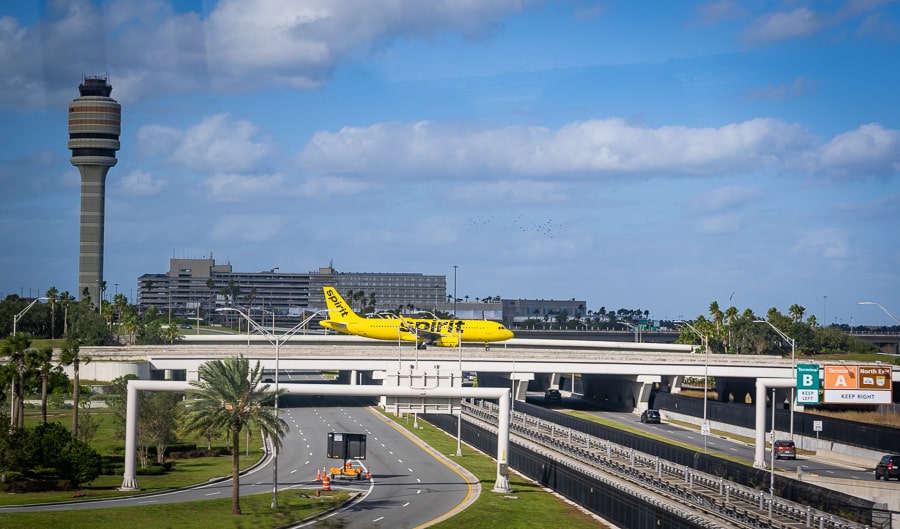
America’s largest ultra-low cost carrier Spirit Airlines announced an end to more than three decades of cheap flights after the company and federal government failed to reach a bailout agreement. This covers the shutdown, its immediate impact on travelers, and what it means for future trips to Walt Disney World and flights to Orlando Airport due to Florida being one of the biggest markets served by Spirit.
Spirit Aviation Holdings, the airline’s parent company, said in a statement on its restructuring site: “It is with great disappointment that on May 2, 2026, Spirit Airlines started an orderly wind-down of our operations, effective immediately. To our Guests: all flights have been cancelled, and customer service is no longer available. We are proud of the impact of our ultra-low-cost model on the industry over the last 34 years and had hoped to serve our Guests for many years to come.”
The airline’s website, previously a portal for millions who booked domestic and international flights, was suddenly transformed into a going-out-of-business site with the headline, “Spirit Winding Down Operations.” It’s obviously no longer a booking portal, but instead offers an FAQ for guests and vendors, with scarce information that raises more questions than it actually answers.
That website states: “All Spirit flights have been cancelled, and Spirit Guests should not go to the airport.” Spirit is not able to help rebook flights on another airline, but will automatically process refunds for any flights purchased through Spirit with a credit or debit card to the original form of payment.
Guests who booked flights via a travel agent should contact the travel agent directly to request a refund. Compensation for Guests who booked flights using any other methods, including a voucher, credit or Free Spirit points, will be determined at a later date through the bankruptcy court process.
Spirit is unfortunately not able to reimburse Guests for incidental travel costs associated with cancelled trips. If you purchased travel insurance, check with your carrier to see if these expenses may be covered under your plan. If you are currently traveling, it is recommended that you rebook on another airline immediately.
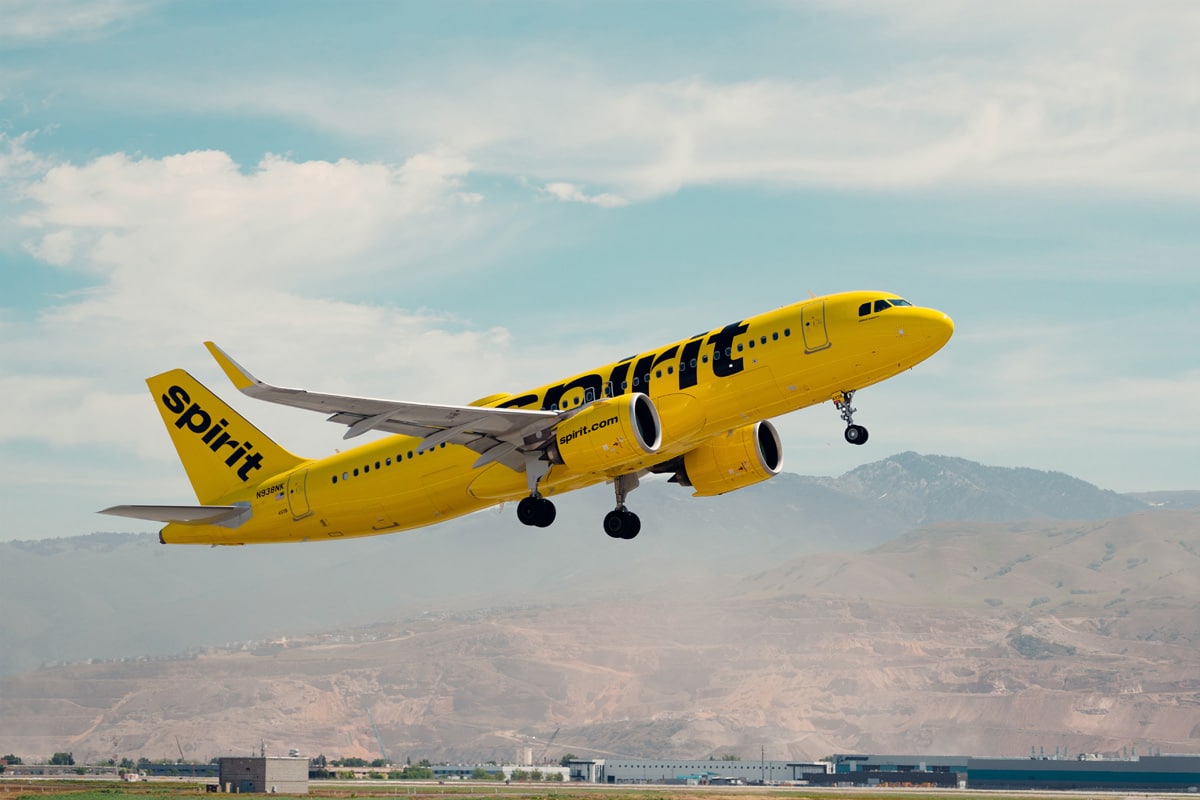
The airline had been operating under Chapter 11 bankruptcy protection since last August, and was close to exiting the process until the Iran war caused jet fuel prices to spike. That plunged the cash-strained airline into a new financial crisis. Spirit turned to the federal government for a rare last-ditch bailout, but no agreement could be reached.
Spirit’s shutdown immediately ended the jobs of most of the carrier’s 17,000 direct and indirect employees who served the airline in the U.S., Caribbean and Latin America. Some of them worked for Spirit for more than 25 years.
On its final day, Spirit Airlines flew more than 50,000 passengers. Management is working to transport more than 1,300 crew safely home to their bases. Other airlines will now step up to fill the void left by the ultra-low cost carrier.
As of Saturday morning, the tracking service FlightAware showed 100% of the airline’s flights canceled. Over 100 of the cancellations occurred at Orlando International Airport (MCO) and Fort Lauderdale-Hollywood International Airport (FLL), the latter of which being where Spirit was the leader in passengers served.
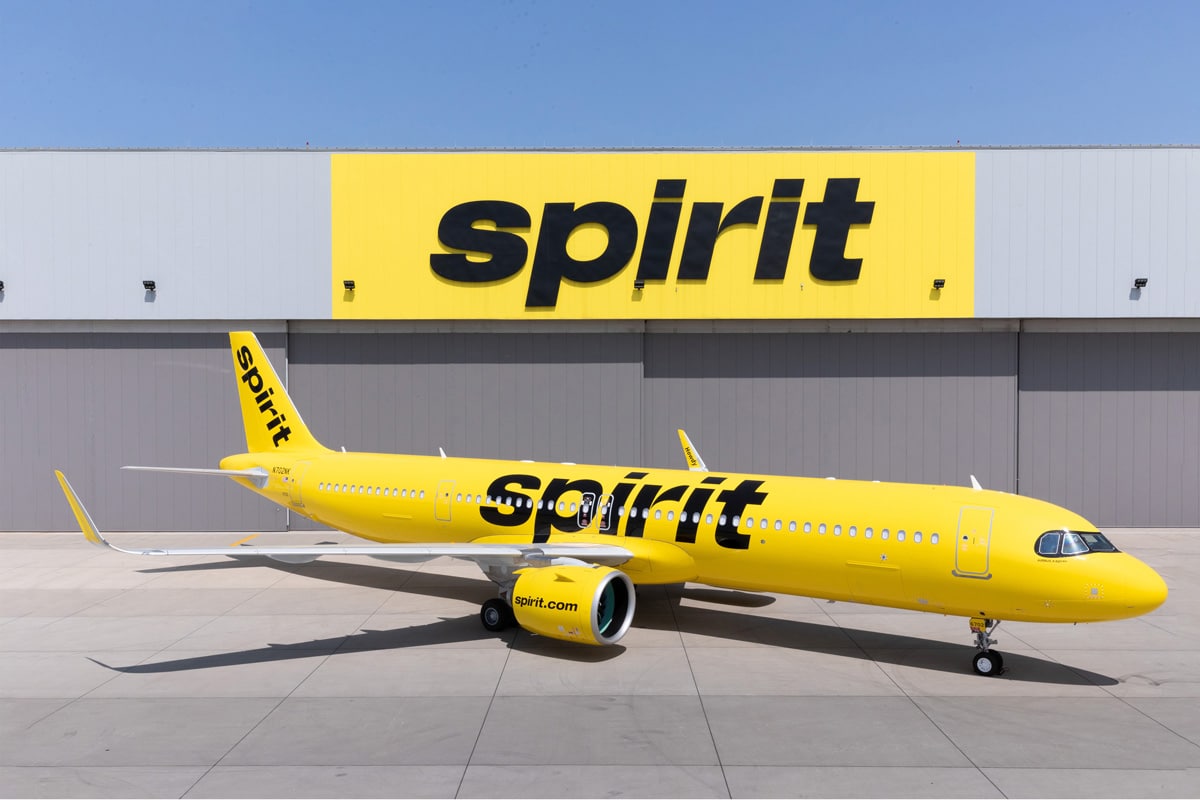
The closure of Spirit Airlines is hugely consequential news for travelers to Walt Disney World, and will have ramifications even for those who fly other airlines.
Data from aviation analytics company Cirium shows that FLL and MCO had 5,168 and 3,484 Spirit flights, respectively, scheduled during this quarter. Spirit offered routes to 60 destinations from the former and 36 destinations from the latter.
Spirit Airlines was one of the largest operators at both FLL and MCO, with the airports scheduled to see 17.5% and 6.9% of the airline’s departures, respectively. Those airports accounted for nearly 25% of Spirit’s total departures.
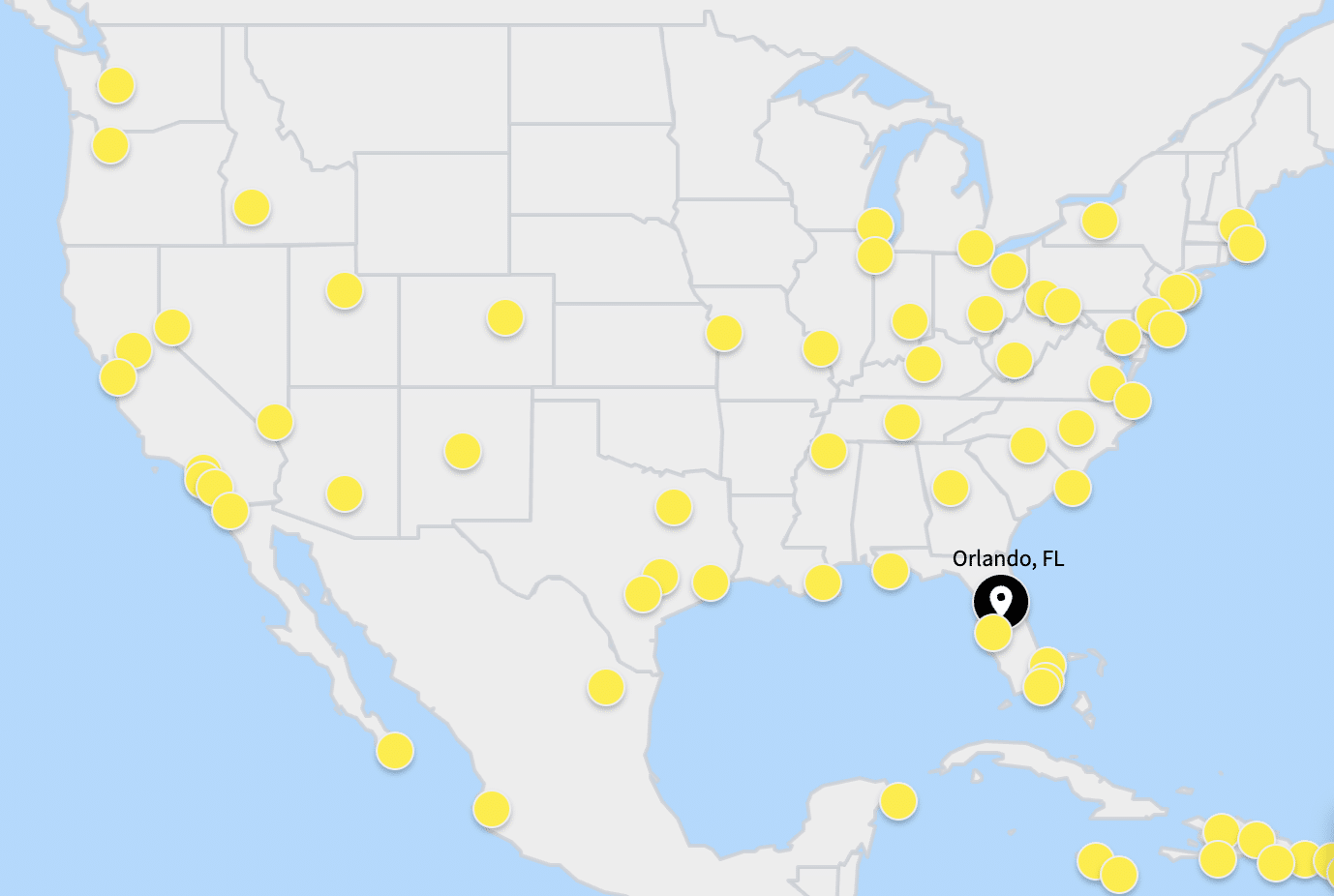
Accordingly, the end of Spirit Airlines will have a huge impact on the number of total flights canceled and routes lost, impacting the revenue of Orlando and Fort Lauderdale Airports.
It wasn’t just Orlando and Fort Lauderdale; Spirit also had a substantial presence at airports around Florida, including but not limited to Miami International Airport (MIA), Tampa International Airport (TPA), Southwest Florida Airport (RSW), and West Palm Beach Airport (PBI).
There will also be a ripple effect created by the lost passenger capacity and connectivity. Those travelers who otherwise would have flown Spirit will presumably still want to visit Walt Disney World, Universal Orlando, or wherever.

Just as new hotels don’t induce demand—people don’t book trips because of a hotel—the same logic applies here with airlines. No one was booking a trip to Disney to experience Spirit’s service on the way there or back. The only difference is supply or capacity isn’t being added here, but rather, subtracted.
Tourists visiting Walt Disney World still want to book that trip, and will now be ‘competing’ with other travelers for flights, driving up costs on other carriers. No further explanation is probably necessary–this is economics 101 concepts of supply and demand.
How that actually plays out, in both the short and long term, remains to be seen. Anecdotally, whenever I searched for flights to Walt Disney World, Spirit was always far and away the cheapest option. Typically less than even Frontier or Breeze, and often half or one-third that of airfare on Delta or United.
It’s likely that, long-term, the end of Spirit will drive up costs on all airlines. There’s also the potential for higher airfare costs to put trips out of reach for some budget-conscious travelers. The shutdown of Spirit could realistically increase flight costs for a family of 4 by $500 or more, and that could be the straw that breaks the camel’s back on affording a Walt Disney World vacation.
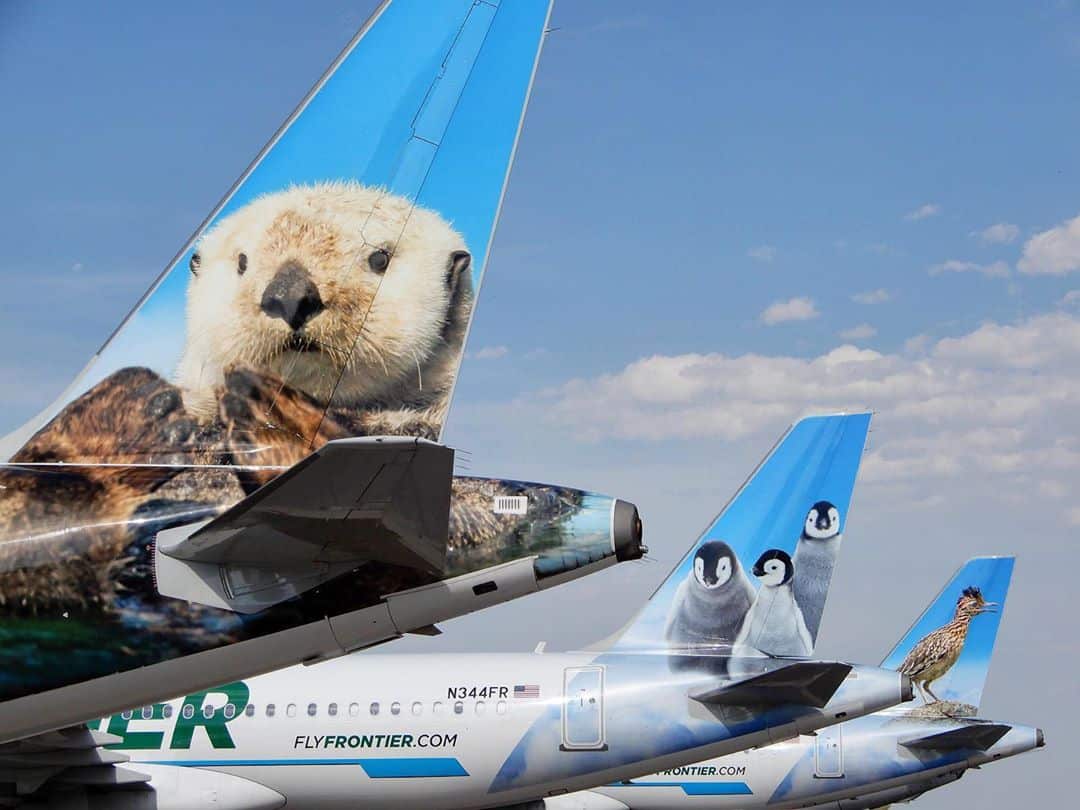
Other carriers have already announced their plans to “help” Spirit customers. Frontier Airlines, which had in the past unsuccessfully attempted to acquire Spirit Airlines, announced “systemwide rescue fare discounts” for stranded Spirit passengers.
According to Frontier, the airline currently serves more than 100 routes previously flown by Spirit and will expand further this summer with nine additional routes, plus 15 additional daily flights across 18 former Spirit markets, giving customers more options to rebook their travel plans.
“Spirit Airlines played an important role in expanding access to affordable travel and bringing more low fares to more people,” said Bobby Schroeter, Frontier’s Chief Commercial Officer in a statement on Frontier’s website. “We recognize this is a difficult time for their customers and team members. Frontier is making discounted fares available to help people keep their travel plans and maintain access to low fares.”
To support impacted travelers, Frontier is offering up to 50% off base fares across its network for travel through November 19, 2026. Customers can book by May 10, 2026 at FlyFrontier.com using promo code SAVENOW. Travel on Tuesday, Wednesday, and Saturday qualifies for a 50% base fare discount with a 21-day advance purchase, while other days of week are eligible for a 10% discount with no advance purchase required.

Frontier is also offering its 2026 GoWild Summer Pass for just $199, providing access to unlimited flights across the airline’s network through the summer. To learn more about the GoWild Summer Pass, click here.
Other airlines including JetBlue Airways, American, Delta and United have indicated their intentions to assist the now-defunct airline’s passengers. It remains to be seen just how much of this amounts to assistance and how much of it is good PR and free marketing.
All of the above-referenced airlines have more expensive base fares than did ultra-low cost Spirit. For its part, Frontier frequently runs (frankly) gimmicky sales that offer illusory savings thanks to coupon codes being offset by raising base fares.
I haven’t yet priced out fares via the SAVENOW promo code, but wouldn’t be surprised if this ends up being more of the same. Regardless of what happens in the immediate future, this will almost assuredly allow Frontier to raise, not lower, its prices over time since Spirit was its direct competitor.
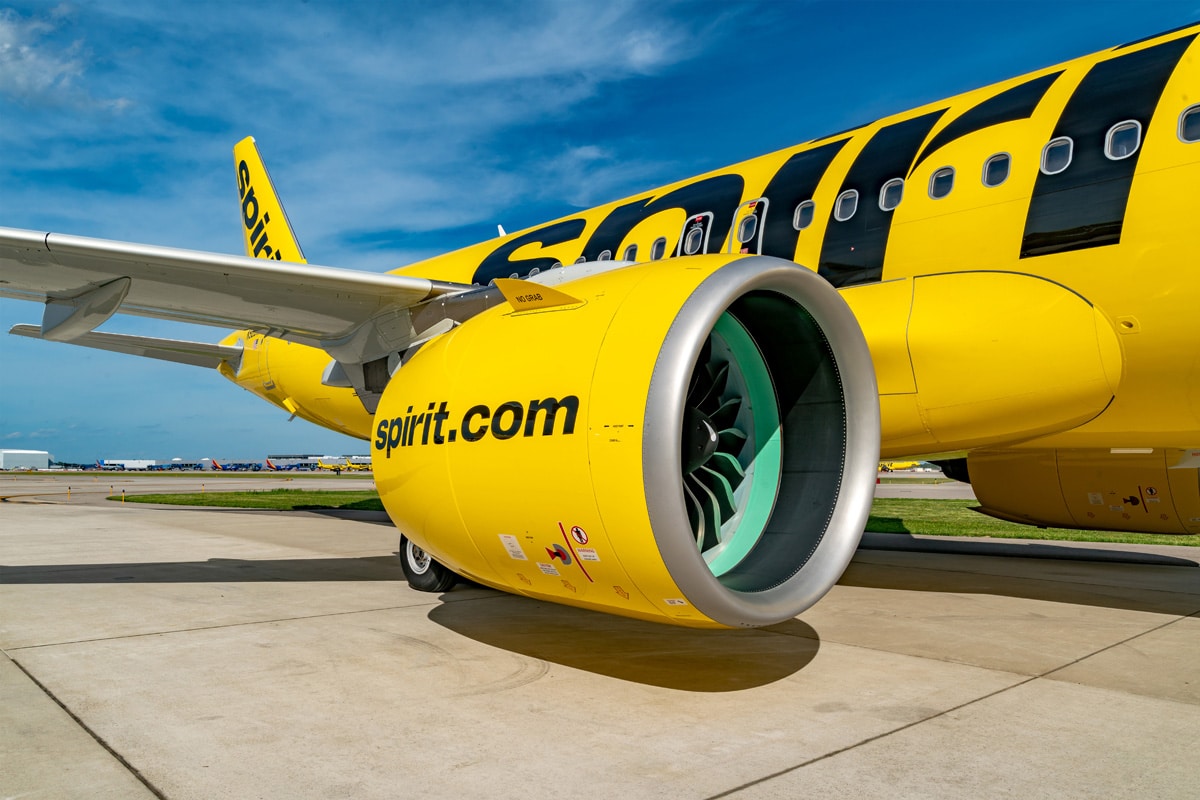
The decision to stop flying came after what Spirit called “extensive and comprehensive efforts to restructure the business and pursue transactions to strengthen Spirit’s financial position and create a sustainable path forward.”
“Unfortunately, despite the Company’s efforts, the recent material increase in oil prices and other pressures on the business have significantly impacted Spirit’s financial outlook,” another statement released by the company said. “With no additional funding available to the Company, Spirit had no choice but to begin this wind-down.”
“For more than 30 years, Spirit Airlines has played a pioneering role in making travel more accessible and bringing people together while driving affordability across the industry,” said Dave Davis, Spirit’s CEO.
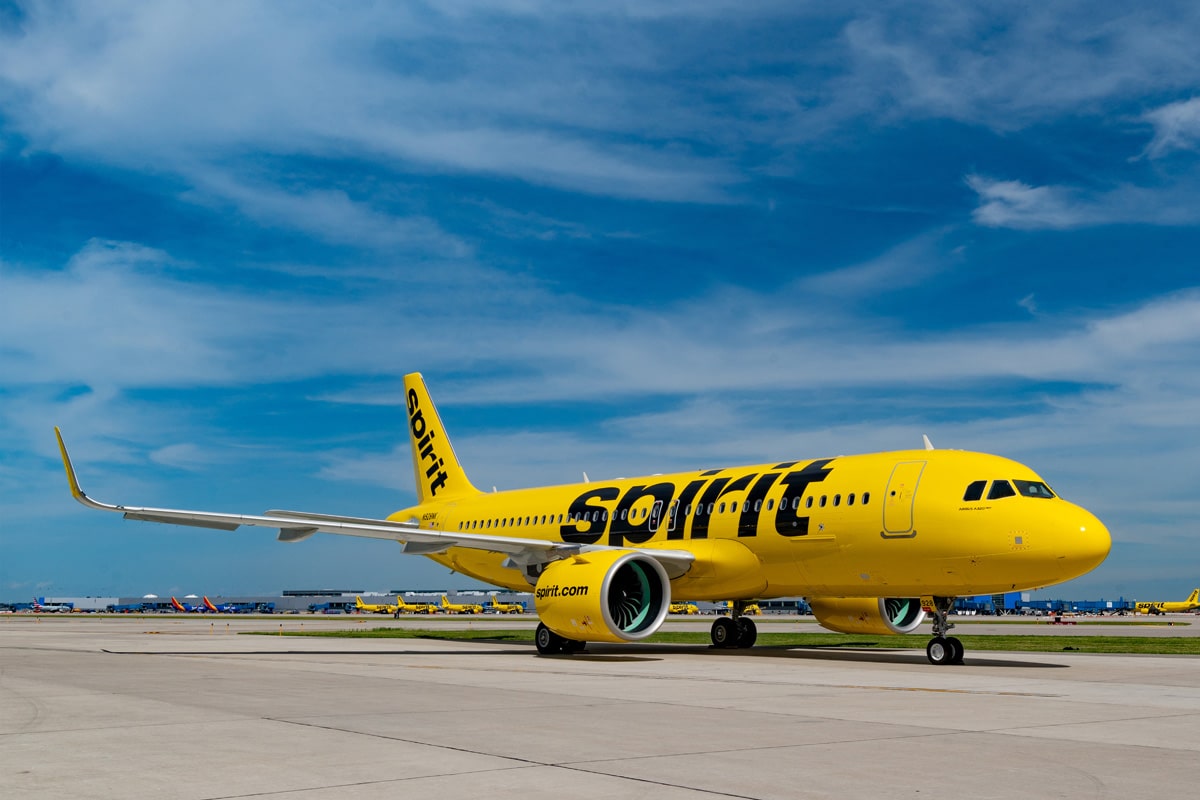
“In March 2026, we reached an agreement with our bondholders on a restructuring plan that would have allowed us to emerge as a go-forward business. However, the sudden and sustained rise in fuel prices in recent weeks ultimately has left us with no alternative but to pursue an orderly wind-down of the Company. Sustaining the business required hundreds of millions of additional dollars of liquidity that Spirit simply does not have and could not procure. This is tremendously disappointing and not the outcome any of us wanted.”
Davis continued by thanking the federal government for its efforts to try to preserve jobs and service. “Many stakeholders have stepped up for Spirit through our restructuring. We are grateful to our labor union partners, aircraft lessors, other business partners…for working with us on tangible solutions to restructure our business.”
Davis was hired last year to take over the company after it emerged from its first trip into Chapter 11 bankruptcy. A veteran executive from low-cost carrier Sun Country Airlines, Davis took Spirit back to U.S. Bankruptcy Court last August as the company struggled to stabilize itself after a key creditor declared the company in default.

As recently as this past March, Spirit was poised to exit bankruptcy this summer, but the Iran war disrupted the plan by driving jet fuel costs to unsustainable levels. In an 11th-hour attempt to survive, Spirit Airlines turned to the U.S. Government for what would have been an unprecedented bailout of a major airline.
According to reports, a deal was on the table that would’ve given the airline a $500 million loan–but also would’ve potentially yielded a 90% ownership stake in Spirit for the government. The proposal was controversial with Spirit creditors, politicians, and some of the public. Rival airlines also objected, arguing it would give Spirit a competitive advantage as they feel their own fuel cost pressures.
There was also the matter of precedent, or lack thereof. Since Congress deregulated the industry in 1978, no airline has ever been taken over by the government. Troubled carriers have gone to bankruptcy courts (many times) to restructure finances, and have been sold to competitors or liquidated.

In terms of additional commentary, this whole saga with Spirit is incredibly disappointing. As we’ve made clear over the years, Spirit was not our preferred airline, but that doesn’t really matter.
Competition is good for consumers. Spirit offered an ultra low-cost option that put airfare within reach of lower income consumers. The airline also put downward pressure on prices by undercutting its competitors by significant margins was a net positive for us, even while flying Southwest or Delta. I’m not looking forward to yet another increase in airfare as a result of this, but that’s exactly what’s going to happen.
Spirit shutting down is also unsurprising. Back in late March, we published Why the Iran War Could Cut Crowds at Walt Disney World & Negatively Impact Your 2026 Travel Plans. That article focused extensively on airlines, with quotes from CEOs and executives pulled from the then-recent JPMorgan Industrials Conference.
From what was shared at that event, many had already raised fares in response to the Iran war, with Kirby saying that airfare was “running up between 15% and 20% in the last week…so pricing has been going up as one would expect.” At that time, oil prices had risen to over $100 a barrel, but jet fuel costs had climbed considerably higher.

As we pointed out, even though airfare had already jumped by 15-20%, that didn’t fully account for the rise in jet fuel. Meaning that airlines are going to continue to gradually raise prices to account for higher input costs–not do it all overnight.
Delta CEO Ed Bastian shared that Delta is well-positioned to emerge stronger, and it was in a “position of strength” to raise airfare prices. Multiple other airlines suggested that there would be short-term pain for long-term gain for their airlines.
The short-term pain was the squeeze on margins by virtue of higher fuel costs. All U.S. carriers face this particular problem because most do not hedge fuel costs, unlike some international airlines that use hedging to cushion price shocks. Instead, they have been relying on fare increases and capacity discipline to recover part of the added expense.

Airline CEOs pointed out during the conference that soaring fuel costs would put additional pressure on low‑cost carriers, compounding strains on business models already challenged by rising labor expenses.
Both Delta and United pointed to ultra-low-cost carriers, like Spirit and Frontier, as being particularly squeezed by the surge in fuel prices. These airlines have been struggling to survive, so prolonged conflict in Iran could pose an existential risk. (Again, they said this back in mid-March.)
That, in turn, is precisely what would help the other airlines emerge stronger. Delta’s CEO referred to this as “another period of dislocation and disruption” that makes the airline industry “tighter and smaller and more durable,” which will yield a better return in the longer term for Delta. “Not what we wish for, but I think that’s going to be,” added Bastian.
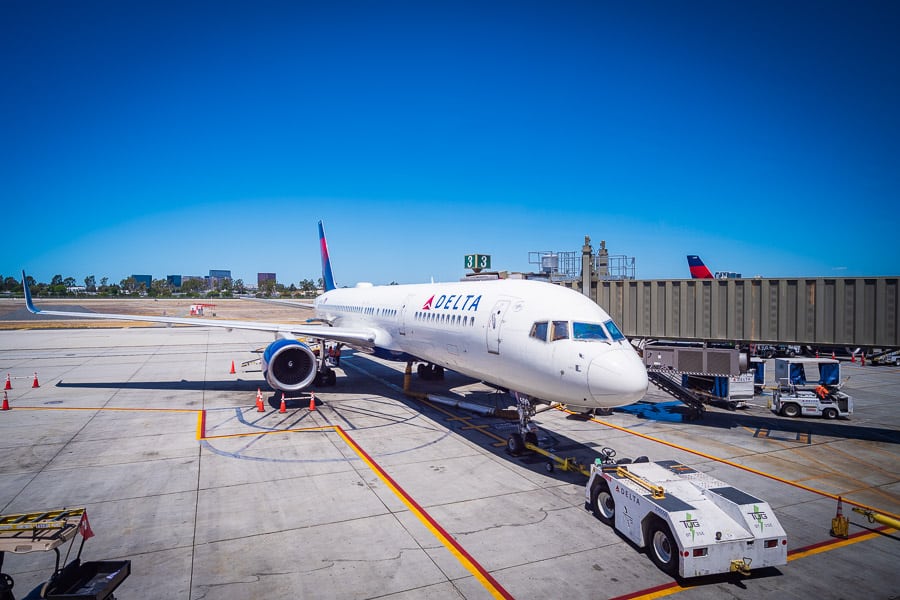
The sentiments shared by airline executives back in March strongly suggest to me how those companies and their investors actually feel about the end of Spirit, not the carefully crafted PR statements promising to “help” passengers with supposed rescue fares. At the risk of stating the obvious, what’s good for the airlines is often bad for consumers.
Travelers to Walt Disney World and other destinations throughout Florida will feel this to a disproportionate degree, due to the defunct Spirit Airlines’ outsized presence in the Sunshine State. The loss of this ultra-low cost carrier will mark the end of an era for cheaper flights to Orlando, bloating budgets for Walt Disney World tourists in the process.
Moreover, we’d also once again stress that the cascading effects of the conflict in the Middle East are going to be felt by consumers in direct and indirect ways, beyond just prices at the pump. Spirit Airlines is the first corporate casualty, but probably not the last.
Planning a Walt Disney World trip? Learn about hotels on our Walt Disney World Hotels Reviews page. For where to eat, read our Walt Disney World Restaurant Reviews. To save money on tickets or determine which type to buy, read our Tips for Saving Money on Walt Disney World Tickets post. Our What to Pack for Disney Trips post takes a unique look at clever items to take. For what to do and when to do it, our Walt Disney World Ride Guides will help. For comprehensive advice, the best place to start is our Walt Disney World Trip Planning Guide for everything you need to know!
Your Thoughts
Thoughts on the shutdown of Spirit Airlines? Will you be impacted by this on future trips to Walt Disney World or elsewhere? Do you agree or disagree with our assessment? Think gas and airfare prices will remain elevated into the summer and potentially 2027? Or, do you disagree entirely, and think this will be over quickly or won’t have any impact on travel? Any questions? Hearing your feedback about your experiences is both interesting to us and helpful to other readers, so please share your thoughts or questions below in the comments!



As I started typing I feel like this became something of an obituary, so here goes my dirge to an airline.
I frequently flew on Spirit, Frontier, and Allegiant even though I could afford better, because it gave me more money to spend on doing the things I actually enjoyed on vacation. I encountered some issues and some waits, but honestly everyone I spoke to was really kind and just doing their jobs – the Spirit Airlines crew even sang songs with us on a flight during Covid where there were less than ten people on board.
I remember watching a joke-ad for low-cost carriers that explained how to layer multiple outfits so you didn’t have to purchase any luggage, and by golly I took that seriously and wore 4 dresses and three pairs of leggings on an airplane once. Another time, I flew in, hit a Goodwill for outfits for that week, and re-donated them when the week was over. It was fun to travel for less, and go places more freely. It broadened my view of the world. It broadened the view of many people, and gave lower income guests a key to experience places that could literally change their lives.
I know Spirit airlines ending doesn’t mean all of that goes away, but it is now a little bit more out of reach. It’s another blow to thousands of employees, and to the millions who will feel the ripple effect. That probably isn’t most people reading this blow, and we might never see the actual impact…but that doesn’t mean it isn’t there.
It’s just such a shame – and such a weird feeling to be mourning an airline as a casualty of war.
We never used Spirit for the negligible savings (all our requirements resulted in comparable costs) but I know family and friends who used them foe very short haul trip and were squarely in the camp of meeting the minimum of their needs. For us it would probably not even be worth the game of more delays than we are comfortable with and questionable customer service when dealing with said delays.
Agree with all the sentiment about a switch flip making everything go back to normal. Once those supply chain delays or chaos from them dissipates, the costs do not reduce for the consumer at all. It becomes the new normal and we choose how to live with it. I know a lot of people love Delta for their customer service but when their CEO just said price increases are hard to call temporary and they will enjoy the boost of profit margins through this year and beyond. In other words, some companies are not worried about staying afloat, but exceeding with outcomes of dollars hand over fist.
The article also stated the obvious, that their premium customers (their words) were not feeling the impact of increased costs, it lined up with basically every other business but as we know with Disney, as we know the company is looking for ways to curate a vacation for those with deeper pockets – Premier Pass being an example (and I guess LL itself, as it was a no-cost service before).
The K economy is becoming more pronounced each day and we still have not gotten to the point where many corporations don’t even feel a bit of discomfort. As a family, we will continue to keep our eyes and ears open for deals, particularly with airfare since we are DVC owners so hotel costs are moot, and adjust travel accordingly, whether that results in less park days, meals out, etc.
Having said all that, we are very sorry for the over 17K staff that lost their employment and also feel like the writing was on the wall and (why am I) surprised that there was no support for stranded or ticketed future travelers once the official announcement was made of ceasing as a corporation. Posting free of political thoughts (because something benign I posted before got utilized by another commenter and this is a Disney blog and not intended to turn political!), it is just sad. Period.