
Bob Chapek Did Not “Get” Disney.
When the Walt Disney Company ousted former CEO Bob Chapek, few tears were shed by fans and Cast Members. His tenure had been mired in controversy, unpopular decisions, and widespread concern that he was doing irreparable damage to a brand beloved by generations.
That Disney’s Board made the right choice and that fans were correct in their reaction to the news nearly 4 years ago has been fully vindicated by Bob Chapek’s own words during his media tour for his memoir, Behind the Castle Walls: My Thirty Years at the Happiest Place on Earth.
That media tour has been an unmitigated disaster, to put it mildly. In all likelihood, Bob Chapek wrote this book to tell his side of the story in order to rehabilitate his image, reframe his legacy at Disney, and make himself hireable again. He has accomplished exactly zero of that with his interviews and media appearances.
If anything, Chapek comes across considerably worse than 4 years ago, and I can’t help but wonder if he even has advisors or a communications team at this point, because it sure doesn’t seem like it. He has made perplexing decision after perplexing decision, such as the decision to do an interview with something called “Valuetainment for Gen-Z.”
Among other things, he uttered the most Chapek quote of all-time in an interview with Bloomberg: “I love private equity.” An appearance on CNBC was awkward and defensive, and the throughline of all of these interviews has been zero accountability for what went wrong and a vendetta against Bob Iger, who I guess understandably lives rent-free in his head.
Chapek has defended the wrong decisions, doubled-down on his penchant for price increases and cost-cutting, and continued to express his open disdain for Disney fans. Everything he has said thus far reinforces his own past admissions that he has low EQ or emotional intelligence, and is oddly proud of it.
If anything, the biggest takeaway of this media tour thus far has been an indictment of Bob Iger’s judgment. How could he talk to Chapek for more than 10 minutes and come away thinking Chapek would be suitable as the public face of the Walt Disney Company?! Bob Chapek has proven, beyond a shadow of a doubt, that he did not and still does not “get” what made Disney…Disney.
Seeing and reading his interviews really reinforced this for me, and led me to revisit this post that was originally published in late November 2022, five days after Chapek was fired. Rather than writing something new that essentially says the same thing, here’s that original commentary, preserved for posterity, since it’s as true today as it was nearly 4 years ago…
The fan and Cast Member reaction to Bob Chapek’s firing stood in stark contrast to the outpouring of optimism at the return of Bob Iger. The once-former CEO was not universally beloved when he departed, but his homecoming has been joyous and rekindled long-lost hopefulness.
Then again, Disney enthusiasts likely would’ve welcomed Scrooge McDuck replacing Chapek with cautious optimism as a potential upgrade. Everything is relative, and fans didn’t realize how good things were under Iger until he was gone.
Despite being Iger’s chosen successor and carrying out many of the initiatives of his successor, Chapek was largely reviled. Price increases had become a fact of life for Disney fans over the course of the last decade and always resulted in complaints, but never the degree of disgust felt for Chapek.
Nothing he did with the company’s financials alone would have earned him the widespread derision of the fan community and his own employees. So what happened? Where did Chapek go wrong and lose the confidence of the community and Cast Members?

Chapek’s downfall was partly a matter of degree and attention to detail—or lack thereof. Another major issue was charisma—or lack thereof. The reality that one of the world’s most renowned and creative storytelling companies had a leader who was utterly incapable of speaking from the heart about Disney.
To put it in the cheesiest—but true—way possible: Chapek didn’t believe in the Magic of Disney, and that made it impossible for him to make others believe. To the contrary, his words actively eroded the Magic of Disney for many who once believed. In a nutshell, this is how Chapek lost–by not understanding what made the company he ran so special to so many.
This was really no secret from the outset. The way Chapek spoke on corporate earnings calls immediately gave away that he viewed the company in cold and objective financial terms, and made decisions accordingly. He had no sentimentality, viewing the “product” not through a creative lens, but through the terms of the balance sheet.
To be sure, Chapek invoked normal terms from the Disney lexicon about “magic” and offering an unparalleled guest experience, but his delivery always came across as incredibly scripted and as if he were going through the motions—he read the words from a script, but probably didn’t believe them or pay them much mind when making decisions.
Chapek should’ve been given a pass for speaking robotically on a corporate earnings call to some extent. Investors and analysts were the purported audience, even though Disney’s senior leadership knew the contents of the calls were widely reported in the broader Disneysphere and mainstream media.
If this wasn’t clear from the outset, it certainly should’ve been after the first (or second…or third…) gaffe-filled call with sloppy statements that were widely rebuked by fans online. His predecessor (and subsequently, successor) understood this, and managed to toe the line with messaging suitable for all audiences.
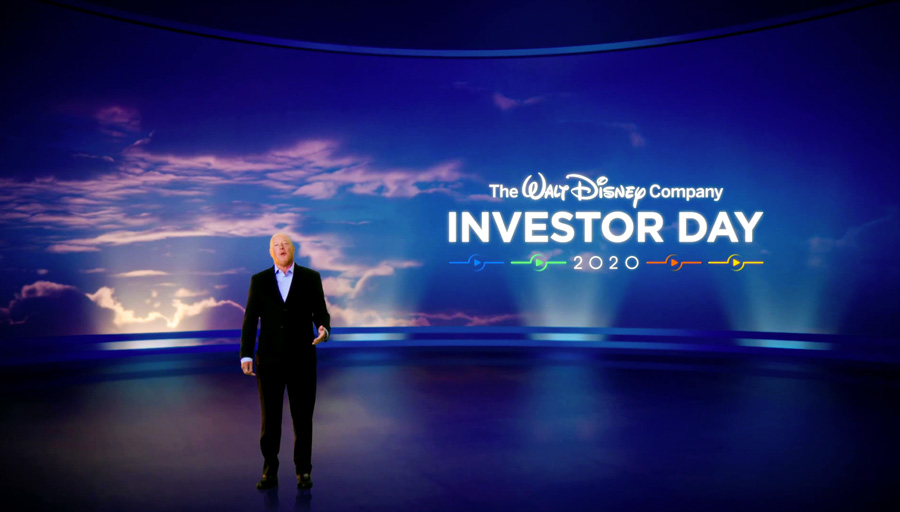
It wouldn’t surprise me in the least if Chapek never visited Disneyland or Walt Disney World in his adult life for pleasure, or if he felt theme parks were beneath him. It also wouldn’t surprise me if he only visited professionally when business absolutely dictated it—for board meetings, land openings, and so forth.
If he did visit the parks with his family, he certainly didn’t do so as a “normal” guest, as the convoluted and headache-inducing systems he championed would’ve undoubtedly been undone when forced to use them himself.
As we’ve written before, executives should be required to use the systems they implement to actually plan and take an actual trip. Genie+ would be overhauled tomorrow, as would countless other guest-unfriendly policies and products. But I digress.
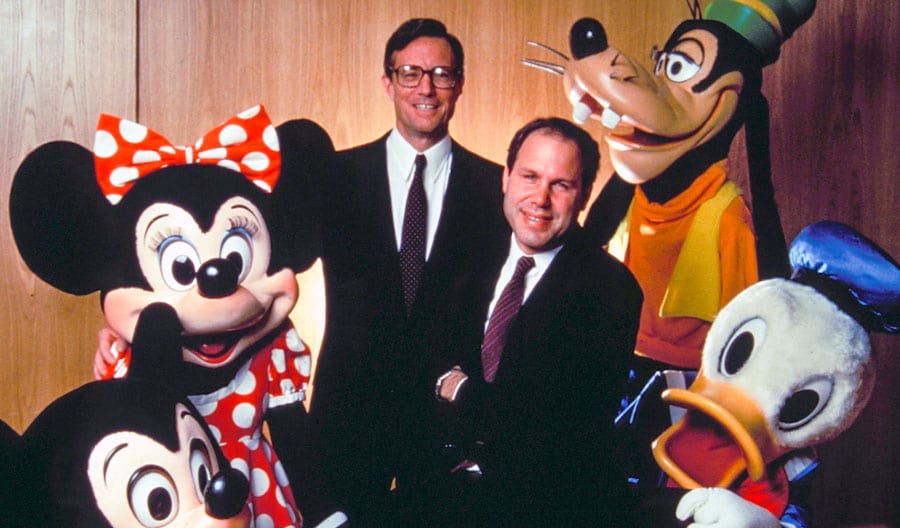
While I’m less confident in this, it also wouldn’t surprise me if he had little interest or knowledge in the creative output of the various studios. The one time I can recall Chapek expressing sincere enthusiasm for a Disney movie, it was on an earnings call following the release of Encanto, but even that was regarding the financial success of its merchandise and number of minutes streamed on Disney Plus.
Both Michael Eisner and Bob Iger were famously involved in the creative process, suggesting changes and offering notes on animated and live action films. This is well documented for Eisner in DisneyWar, and for Iger in various public profiles and interviews over the years.
Iger even stayed on board with Disney after (originally) stepping down as CEO in order to “direct creative endeavours” as executive chairman. This could speak to Iger’s reluctance to leave, but also his view of Chapek’s competency to evaluate the company’s creative output.
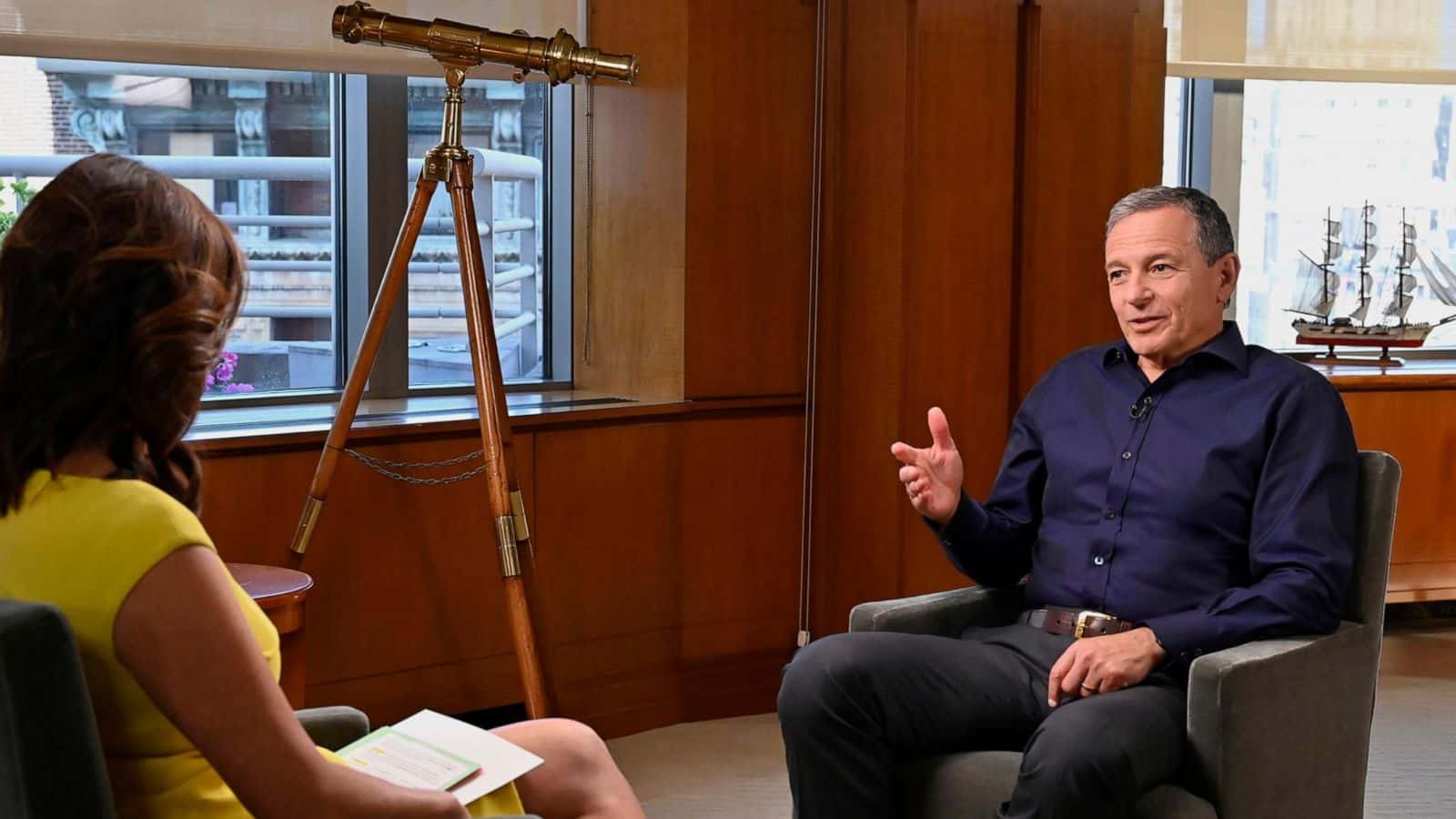
For his part, Iger has had a lot to say about Chapek in the last couple of years, so not much speculation is required to deduce how Iger felt about his successor.
Iger described Chapek as “killing the soul of the company” after fielding calls from creative executives frustrated with Chapek. To his confidants, Iger also lamented Chapek’s lack of empathy and emotional intelligence, which resulted in an inability to communicate with or relate to Hollywood’s creative community.
This was not simply Monday morning quarterbacking of Chapek by Iger, who might’ve harbored resentment about resigning or a desire to return to the role he clearly loved. Iger had concrete complaints, which set off a “Battle of the Bobs” and speak directly to the core point here that Chapek did not get what makes the Walt Disney Company special.

Iger consistently heard complaints from former colleagues about Chapek’s leadership style and pulling away power from creative executives, a decision with which Iger did not agree. He has already started to undo with the firing of Kareem Daniel and promise of restructuring of the Chapek-created division he led.
There was also anger over Chapek’s plan to move 2,000 Disney employees from California to Florida, which has since been delayed indefinitely. The ultimatum Chapek issued and the way it was carried out showed a level of callousness toward employees’ lives that Iger felt was incongruent with Disney’s family-friendly culture.
The strife started before all of this, when the two Bobs sparred over COVID-related layoffs in the early days of the theme park closures. Iger wanted to delay these until the CARES Act was signed into law, as those protections would only benefit Cast Members if the company delayed. Chapek wanted to commence layoffs immediately to relieve financial pressures. Iger ultimately won out with an appeal to Disney’s board, but that early conflict speaks volumes about the different approaches and priorities of the two leaders.

At a dinner with the board and key executives shortly before leaving, Iger warned the company that the culture of Disney could be transformed negatively and rapidly in a speech that was interpreted by some in attendance as an indictment of Chapek’s leadership style and approach to doing business.
Prior to that, Iger said at an annual retreat that “in a world and business that is awash with data, it is tempting to use data to answer all of our questions, including creative questions. I urge all of you not to do that.” That was also interpreted as a shot at Chapek’s decision making approach. Iger has shared versions of these behind-closed-doors statements during interviews and in Ride of a Lifetime, in particular stating that Black Panther never would’ve been made if following a data-driven approach.
In fairness (maybe?), it was not like Iger was unaware of Chapek’s divergent approach to business and people. According to the New York Times, the reason that Iger picked Chapek to be his successor was because of Chapek’s blunt, unsentimental business style. Iger believed this could help Disney continue its transformation into a streaming superpower.
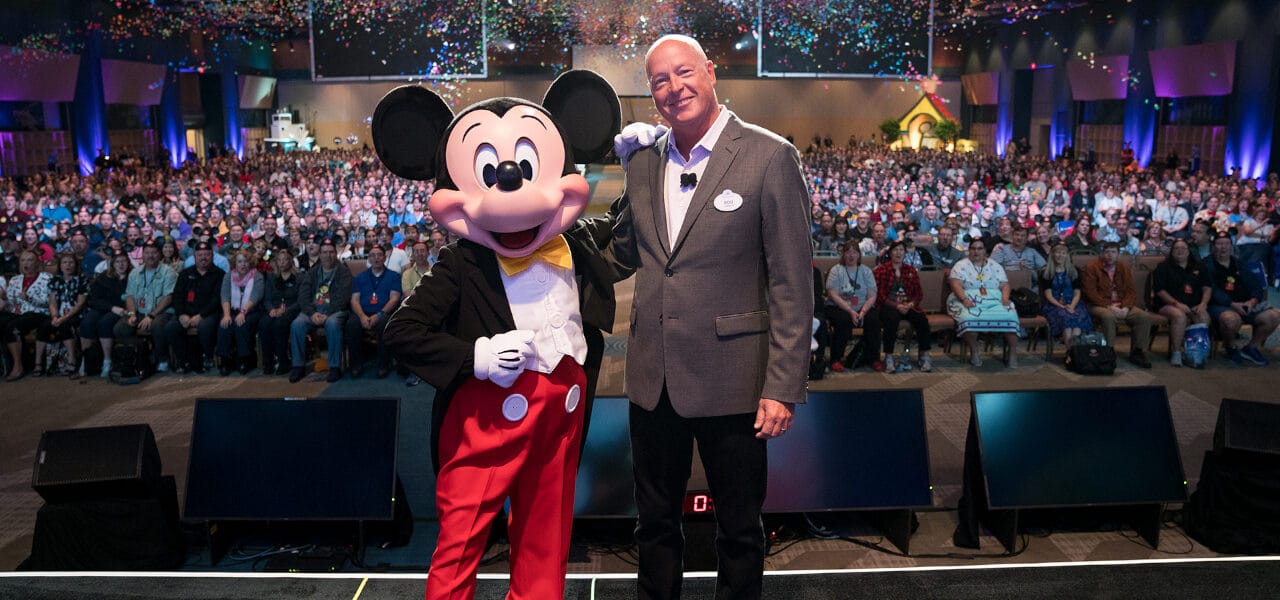
This is not to say that Iger had a people-first approach and Chapek was all business. But it sure felt like it most of the time. When Chapek defended decisions that were unpopular with fans, he led with the business justification.
Quite frequently, that meant drawing comparisons to airlines, hotels, or other hospitality industry players to justify surge pricing, reservations, price increases, or any host of other decisions that were derided by fans.
As we’ve covered elsewhere, even Bob Iger was “alarmed” by Chapek’s approach to price increases and other changes at the parks, and his callousness towards Cast Members. The problem with that is Disney has spent decades positioning itself not as any ole corporation, but an American institution.
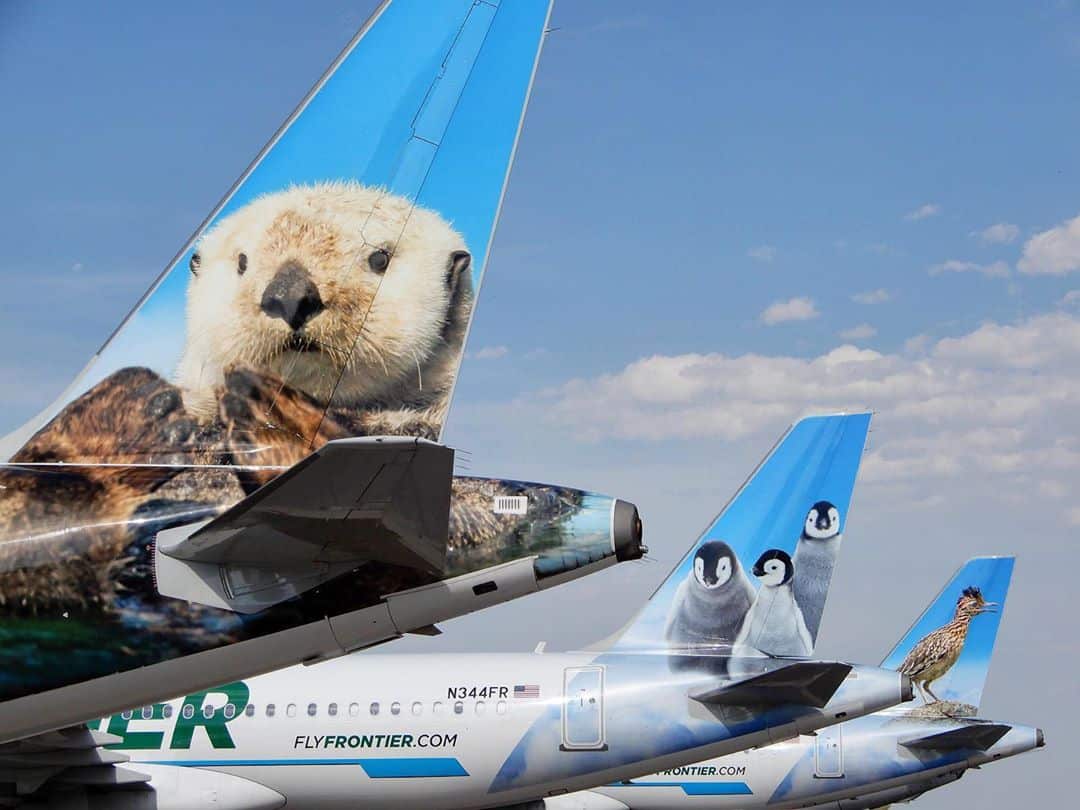
Disney is held to higher and different standards than Frontier Airlines or Hampton Inn, and that is both by Disney’s own design and the company’s rich history and legacy. To my knowledge, there are no Frontier super fans. To most of the general public, that company’s founders are unknown.
By contrast, Walt Disney is an American icon and visionary, treated with reverence by fans who still debate how Walt would feel about even mostly-inconsequential changes to the parks decades after his death. There is no impassioned arguing about how Hank Lund would react to the latest airline upcharges.
Perhaps it is unfair that Disney is held to a different and higher standard than other companies. If so, there’s no one to blame for that but Disney, past and present. The company has held itself out as an exemplar for decades, touting its attention to detail, customer service, and the fabled Disney Difference.
To this day, the company runs the Disney Institute, the professional development and corporate training division for outside business leaders looking to do things the Disney way. Fans are simply holding Disney to the company’s own high standards. Standards, we might add, that have positioned Disney as a company without equal, able to charge premium prices for years.

When Chapek did defend unpopular decisions from the perspective of the guest experience, his proffered explanations were unpersuasive. For one, he had already offered the aforementioned business case—given his track record and manner of speaking, it was patently obvious that was the real reason.
Moreover, he used contrived and awkward anecdotes about hypothetical families from Denver or Seattle in an attempt to make his point. In so doing, Chapek frequently repeated claims that were flatly contradicted by observations and Disney’s financial results.
He contended that park reservations “protect the guest experience so that when you get into the park, you can have confidence it’s not going to be overcrowded.” He contended that Walt Disney World and Disneyland want to “guarantee a great guest experience no matter when people come.” None of this was true.
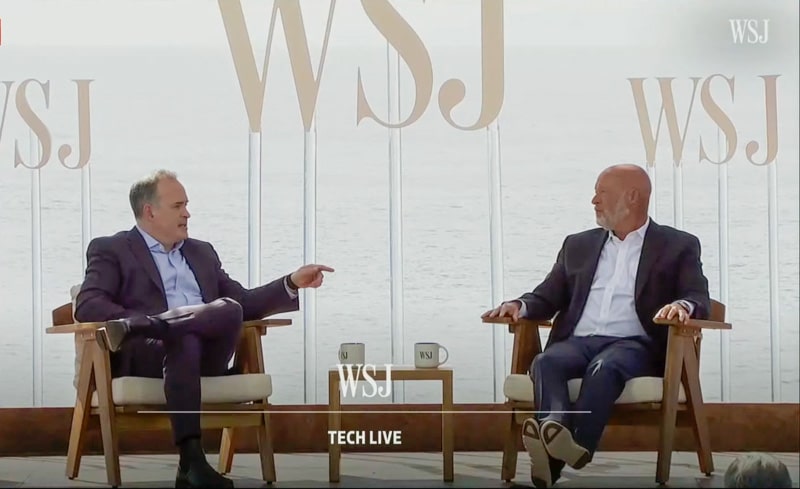
My unfavorable opinion of Bob Chapek formed over the course of years, long before he ascended to CEO. Although I’ve frequently cautioned against drawing too many conclusions from the outside looking in, as it’s easy to view things in reductionist terms and simply good v. bad dichotomies.
However, Chapek has telegraphed how he feels for years–and it was pretty easy to simply take his words at face value. What really pushed this over the top for me, and originally inspired this post (even before he was fired!), was Chapek’s erratic interview with the Wall Street Journal.
During that, Chapek (wisely) recited from a script, giving diplomatic non-answer to a question he wasn’t asked. This was a buzzword soup about Cast Members being the “secret sauce” and would’ve been a nice message, I suppose, coming from literally anyone else.

The issue wasn’t those words, it was that he said them in the most stilted and robotic manner, with no passion for what he was saying whatsoever. Again, it was like he didn’t believe what was coming out of his own mouth. Given his track record coupled with the subsequent revelations by Iger, that’s probably the case.
The bigger red flag for me, and something that reinforced past comments, was when he began speaking from his heart. When asked about “passionate” Disney fans and their criticism for this, Chapek brushed off the interviewer, dismissively remarking that “if we move a churro cart 10 feet, it’s a big deal.”
Chapek also expressed a sense of vindication about the reimagining Tower of Terror into Mission Breakout, which was initially criticized by fans (but is now beloved). To that, he began by boasting that “the lines went from 30 minutes long to 6 hours long.” (Chapek was cut off by the interviewer before he could finish this rant, as he was going off-topic. It’s also worth noting that Chapek previously claimed long lines were ‘frankly’ a sign of failure…when it came to Universal.)
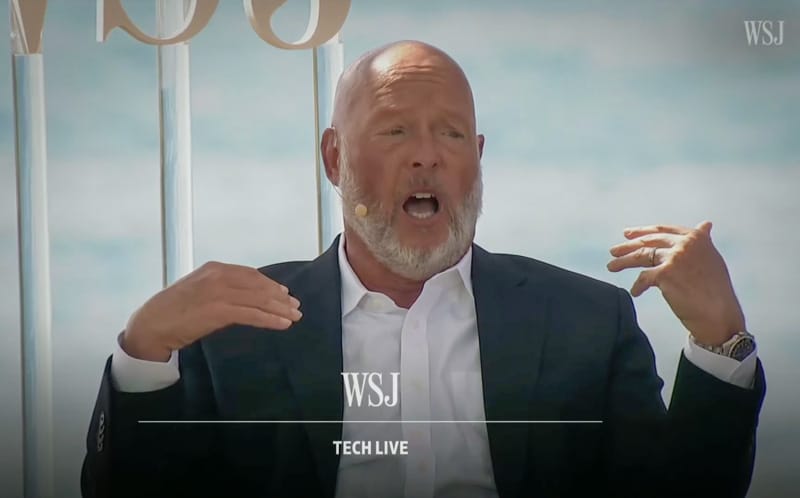
Chapek closed that interview by claiming he “can be teflon” and his own feelings aren’t important when it comes to fan criticism. For a man who seldom shows emotion, he said all of this in about as defensive and wounded way as possible. It’s usually difficult to “read” Chapek for believability, but this was very unbelievable.
Only a couple weeks later, Chapek delivered Disney’s fiscal fourth quarter results. Analysts and investors similarly took issue with Chapek’s delivery, feeling that his optimistic commentary was divorced from the actual results and forward-looking guidance. (CNBC’s Jim Cramer called Chapek “delusional” and called for his firing.) As a result of the misses on earnings, revenue, and the lowered earnings forecast, Disney stock plummeted over 13% to close under $87 the following day.
Given his actions and words, both insincere and sincere, where Chapek stands on a range of issues is fairly clear. As are his priorities, and his view of Cast Members and fans. It should thus be no question why Chapek has the unflattering reputation that he does among this overlapping groups.

What has been asked a lot is why Bob Iger and Parks & Resorts Chairman Josh D’Amaro enjoy much more favorable impressions among fans and Cast Members despite enacting similar policies and making unpopular decisions. One of the top contrarian takes is it’s because they are conventionally good looking.
This feels a bit mean-spirited to Chapek (because we’ve otherwise been so nice to him!), but also, incredibly condescending. It presupposes that most fans and Cast Members are superficial, forming opinions about key figures in their lives and hobbies based on surface-level assessments. (“OH, PRETTY PERSON. BRAIN STOP WORK!”)
It assumes that only the folks with the supposedly ‘unpopular opinion’ are the only ones able to think in a deeper, nuanced manner. I would contend that the opposite is true.
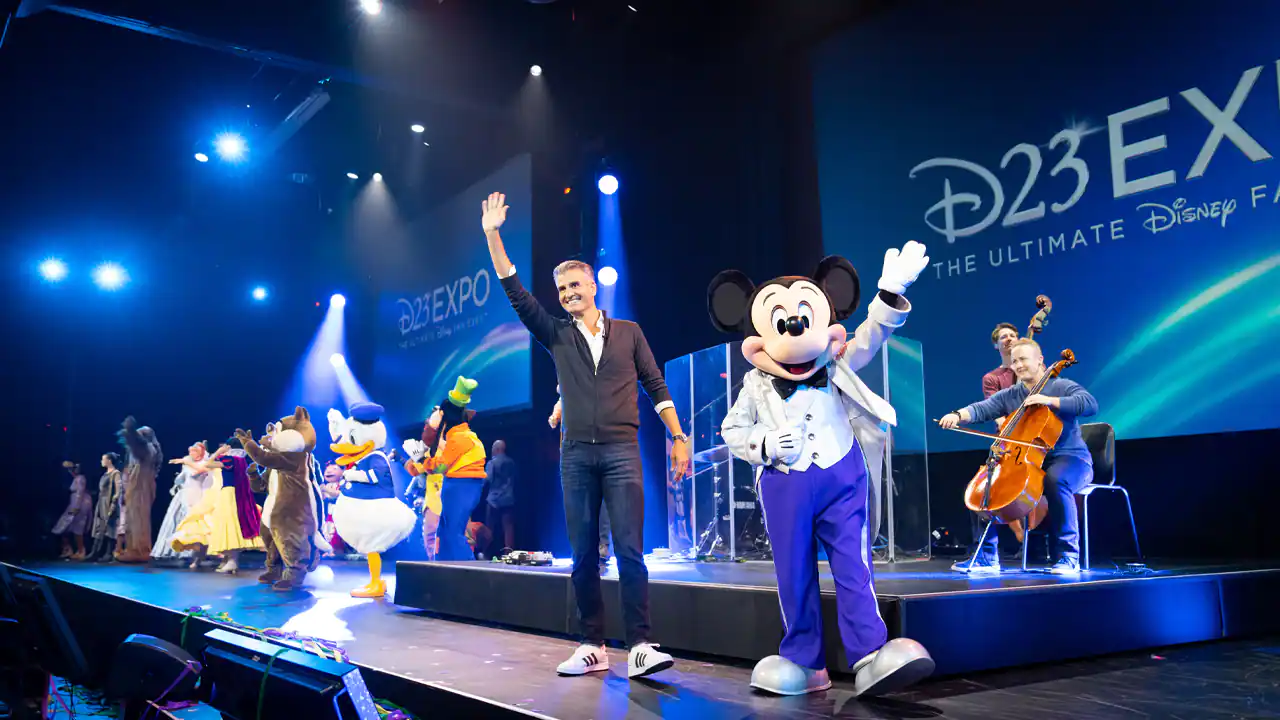
Iger and D’Amaro remain comparatively popular despite their similarities with Chapek because of their key differences. Both of these leaders have a certain compassion, humility, and desire to honor the legacy of the Walt Disney Company, among other things.
They are, in short, leaders. People can read others based on more than superficiality, and there are ways those qualities cannot be faked. It seems fair to say that “leadership matters” when discussing the public face of the Walt Disney Company, or really, any company.
Beyond that, Iger and D’Amaro truly care. They may make business decisions that are unpopular with consumers, but that’s the nature of the beast. As unreasonable as we might be on occasion, most fans understand this. At the end of the day, Iger and D’Amaro do not take apparent delight in antagonizing fans or mistreating Cast Members.

They show a passion for the parks, media, and other aspects of Disney. For his part, D’Amaro is constantly in the parks–and was even more when he was president of Walt Disney World and Disneyland. (I’ve personally seen him at least a dozen times, often without a posse and any handlers.)
After tens of thousands of Cast Members were laid off during the closure, D’Amaro was also present at Downtown Disney apologizing to Cast Members and allowing them to vent for hours on end. (The recent revelations about the dispute over layoffs adds valuable new context to this.)
His ‘listening tours’ with employees are well-known; it seems like every other Cast Member has first hand experience with D’Amaro. This alone is much more of a distinction between him and Chapek than the way the two look. As it would seem, D’Amaro looks better on the inside, too–and so does Iger.

While I believe that Walt Disney quotes are overused and often in cliche ways, my favorite is this: “You can design, create, and build the most wonderful place in the world. But it takes people to make the dream a reality.” Though often portrayed as a starry-eyed dreamer, Walt Disney was also a savvy businessman with a keen sense of self-promotion. Nevertheless, I firmly believe that Walt Disney believed this.
To be sure, Bob Iger is no Walt Disney (no one alive today is, they broke the mold with Walt). However, I believe that Bob Iger also believes this quote, and in the creative vision and legacy of the company’s founder. I do not think the same is true for Bob Chapek. By all appearances and accounts, he sees Disney as any other multinational media company. He may mouth the words, but Bob Chapek does not get what makes Disney…Disney.
Planning a Walt Disney World trip? Learn about hotels on our Walt Disney World Hotels Reviews page. For where to eat, read our Walt Disney World Restaurant Reviews. To save money on tickets or determine which type to buy, read our Tips for Saving Money on Walt Disney World Tickets post. Our What to Pack for Disney Trips post takes a unique look at clever items to take. For what to do and when to do it, our Walt Disney World Ride Guides will help. For comprehensive advice, the best place to start is our Walt Disney World Trip Planning Guide for everything you need to know!
YOUR THOUGHTS
What do you think about Bob Chapek’s understanding of the Magic of Disney? Do you think he “got” what made the company special and differentiated Disney from other hospitality and media companies? What about the distinctions between Bob Chapek and Iger, D’Amaro, and even Eisner? Think there are meaningful differences among these men, despite similar initiatives to increase prices and so forth? Thoughts on Iger’s efforts to thwart Chapek from laying off Cast Members? What about Iger’s claim that Chapek was “killing the soul” of Disney? Thoughts on anything else discussed here? Are you optimistic about the company’s future as the Walt Disney Company enters its 100th year now that Chapek has been fired? Think things will get better in 2023? Do you agree or disagree with our assessment? Any questions we can help you answer? Hearing your feedback–even when you disagree with us–is both interesting to us and helpful to other readers, so please share your thoughts below in the comments!





Bob Chapek wasn’t a great CEO, but he wasn’t in total control for long enough to leave a massive mess. Bob Iger, on the other hand, stayed too long and completely botched his succession planning. For the first time in Disney’s history, his decisions brought deserved criticism to the brand, causing millions to question their reputation as the premier family-friendly entertainment company.
It’s hard to take Iger seriously when he complains that Chapek ‘killed the soul’ of the company. It was under Iger’s original watch that Disney began greenlighting themeless, office-tower-style resorts, cutting historic perks, and shifting toward aggressive monetization. He forgot about the theme, the family, and what actually set Disney apart. Plus, let’s not forget the two biggest strategic blunders of his career: passing on the Harry Potter theme park rights only to massively overpay for Fox a decade later.
Years ago I interviewed a candidate for a senior IT position. He had been an IT director at the Walt Disney Company under Michael Eisner. After the official part of the interview, I started to ask him what it was like to work under Eisner. The candidate said it was not unusual for Eisner to wake up at 2 AM with a “brilliant” idea. He would immediately call his staff and demand they have an immediate meeting at his house to discuss and brainstorm the idea. Thus, that candidate said many times he drove to Eisner’s home in the wee small hours for such meetings.
While we can certainly question the decisions Eisner was making late in his tenure at Disney, clearly he was uber-passionate about his job and about all things Disney. I never saw or heard any such passion from Chapek. For Bob Chapek, Disney was nothing more than a spreadsheet.
Great points. The fact that Chapek even got the job is certainly an indictment on Iger. Chapek is petty, vindictive, avoidant, and maybe most importantly to Disney is a horrific messenger and communicator. I say that because while Chapek made quite the number of tourist-negative changes and cuts…note how many of those Iger and even D’Amaro have yet to roll back. Big Disney is happy with cuts to service, quality, and huge price increases…they just want to finesse those things a lot more than Chapek could. Maybe I’m being overly cynical but we ought to be more critical of current leadership if we’re going to go hard on Chapek. Am I making any sense here?
You’re absolutely making sense.
At the same time, have you ever heard the phrase: “you can’t unring a bell”?
Immediately upon Iger’s return, we warned fans that a lot of the damage inflicted during the Chapek years would be difficult to undo because once Wall Street gets a taste of that ‘free revenue,’ they’re unwilling to give it up. How does new leadership come in and tell analysts and investors, who are laser-focused on quarterly results, “we want to forgo revenue in the short-term for the long-term health of the business?”
This is not to say Iger and D’Amaro secretly hate every Chapek initiative, that their hands were/are completely tied. Obviously not. Some of these changes inevitably would’ve happened regardless of CEO.
There are others, like Lightning Lanes, that I’m more skeptical of. Monetized FastPass is something that was rumored for *years* (literally since FastPass+ launched!) and it never happened under Iger. Now it brings in hundreds of millions of dollars per year in revenue. How does a publicly-traded company simply walk away from that?
Tom, you’re right about Wall Street and not being able to unring the bell but consider this, tongue in cheek of course. They could tell Wall Street they are giving up lightning lane money but will off setting the loss by not building half a billion dollar Star Cruiser resorts or $350 million dollar movies staring Rachel Zegler any more.
The popular phrase “Better to remain silent and be thought a fool than to speak and remove all doubt” was first written by Maurice Switzer in his 1907 book Mrs. Goose, Her Book.
Bob Chapek seemed to have focused his worldview on a different quote from that book, which is “Regular price is five … for you we’ll make it eight”.
Woof…that CNBC interview was painful. Chapek comes off as so defensive (and also incredibly unsophisticated in a way that no CEO of a large company can be). I’ve heard Becky Quick is a DVC member, and she pointed out some of the holes in Chapek’s theories and his bad decisions.
1. Iger might have been asked back so he could negotiate a sell to Apple.
2. Iger came back because he knew what a bad decision it was to recommend Chapek. In order for this blood not to be at his hands (of Chapek destroying Disney), he agrees to come back for 2 years to either sell Disney or to try to right a ship that is sinking.
3. Look, in business, you either provide what the customer wants (not what you want to give them) for a fair price or you don’t exist. Chapek began destroying Disney with what he wanted to do which was to increase his own salary during middle of COVID as well as take away everything customers wanted in order to cut costs. Bricker, I don’t believe Walt Disney was the only person to understand a business is about giving people what they want. I am a multi millionaire business owner of 3 businesses because I do this as well as the most important principal of all (which CEO’s since Walt have not done as good as Walt did…rather it is about putting more money in their own pockets) which is treat all your customers as you would like to be treated.
I’m really curious about point #1, but I think it’s a long shot. I do think it’s likely that Iger was brought back to deal with more M&A, possibly spinning off or selling ESPN. For a number of reasons, I think that’s more likely than selling the entire company. Obviously, I do not know, though.
Selling to Apple would make Disney 100% owned by China.
Yes, I agree Tom…and thank you for your response. To me, this depends on:
A. If Apple (or some other huge company with the cash) perceives/believes/knows there is 5-10 times more potential revenue for what they would have to pay.
B. They have a person/people in place (or can go hire them) that have the ability and vision to achieve this 5-10 times more revenue (after all costs).
C. If the Disney board does not see a successor with the vision/ability to turn this sinking ship around and back to what Walt stood for and what customers want.
D. If the debt of what Disney has does not allow them to turn this around for a long time (even if they do see a successor).
I go back to what I have said in other posts. It is wrong to pay executives 30-35 million a year, especially when a company is not earning anything (as during COVID) but costs continue. A business can grow but if managed wrong (ex: greed or not treating as you would like to be treated), it begins to decline. Next, Disney has long had this attitude of, “We don’t care if you don’t like us because there are another ten thousand of you who will pay us what we want and therefore we do not care what you say nor do.” As I run my businesses, I make sure any complaints are answered in a professional manner (in the way I would like to be responded to) and that ultimately if they leave me as a customer, there was nothing I can do or could have done that was reasonable and they at least knew that I cared about their complaint (as I would like to know if I were the customer). This ultimate arrogance and lack of professionalism is one I NEVER take for granted…but I believe Disney has throughout the years. At the end of the day/bottome line, IT IS ABOUT PEOPLE AND HOW YOU TREAT THEM…and always will be.
Vis a vis point #1… This might have been true 5 years ago, but acquiring Disney or any other media business is no longer on Apple’s radar. Apple has notably remained restrained on their investment and implementation on the whole AI explosion that is happening now. They’re waiting to see what shakes out and which systems are going to be worth implementing. When media streaming (now Cable TV 2.0) was the new hot thing, acquiring Disney with the cash hoard made some sense. But now Apple needs to hold that hoard back so it can be used to acquire/license/implement AI systems into the Apple ecosystem in scale. The money that could have been used to acquire Disney is now earmarked and reserved for something completely different.
Your ending thoughts are incorrect;
“(no one alive today is, they broke the mold with Walt)”…
I happen to be just like Walt Disney, and have operated my Amusement Businesses hands on while personally living the dreams for 40+ years…
While I was an Iconic Cast Member 35 years ago, i still keep the Magic Alive, BEYOND the Main Gate, because it is not a business, but is a way of life.
Therefore, there ARE people who are just like Walt Disney, but you have to recognize them, and want them to be in position of authority to bring back what once was.
in today’s world, just web searching someone’s name can bring up so much about them; when you are true to your passions, it 8s revealed in your life’s work.
Try it; just search my name and see.
Randy Senna
I looked you up. You look like a Walt Disney fan with a self serving attitude and enough ham to make a pig zombie.
You can’t be Randy Senna, because I AM Randy Senna. I am also 8′ tall, can bench 3,500 pounds and created the wheel.
Of course Chapek “got” Disney, he worked there for decades and Iger knew him many years, and picked him.
What Chapek did not “get” was people, and his communication skills were poor.
He could have made a good COO but not CEO.
If Chapek didn’t “get” people and the company’s founder says that the company is all about its people, what does that mean by extension?
That Iger has issues picking successors 🙂