
Disney World’s “Stand-Out” Quarter Fuels 3% Park Attendance Increase & 5% Resort Occupancy Gain.

The Walt Disney Company reported its third quarter fiscal 2026 results, and it was another strong quarter for Parks & Resorts. Walt Disney World in particular had a “stand-out” quarter that drove strong growth. This breaks down the attendance and resort hotel occupancy numbers, along with commentary about the impact on forward forecasts due to rising gas prices, international headwinds, and Epic Universe.
Company-wide, Disney reported revenue of $25.25 billion for the quarter versus $25.4 billion expected, up from $23.7 billion in Q3 fiscal 2025. Earnings per share were $2.06, versus $1.86 expected. Total segment operating income increased 21% to $5.6 billion from $4.6 billion in Q3 fiscal 2025. In premarket trading, Disney stock was up 3%.
In Disney’s outlook for fiscal year 2026, the company said it’s on track to repurchase $9 billion stock, up from the previous $8 billion (which has steadily increased over the last several earnings calls). The company also shared that it’s expecting full-year adjusted earnings growth of about 12%, excluding the impact of the 53rd week.
Streaming was once again a bright spot in the business as consumers continued to turn away from the pay TV bundle, and the segment turns the corner on what was once a money-losing venture as it spent big seeking to gain market share. Revenue for the segment increased 11% to $5.53 billion during the quarter. The growth was driven by an increase in streaming customers, higher prices, and advertising revenue gains.
The overall entertainment segment, which also includes traditional TV and theatrical releases in addition to streaming, saw revenue rise 6% to $11.35 billion. In particular, the success of Toy Story 5 was spotlighted, with Disney calling the animated film franchise a “uniquely Disney asset” that they continue to invest in, to the delight of audiences young and old. The new film has surpassed $1 billion at the global box office, with the lifetime global box office of the franchise now over $4 billion.
Unsurprisingly, the theme parks are once again a bright spot–and the focus on this website–so let’s turn to that segment…
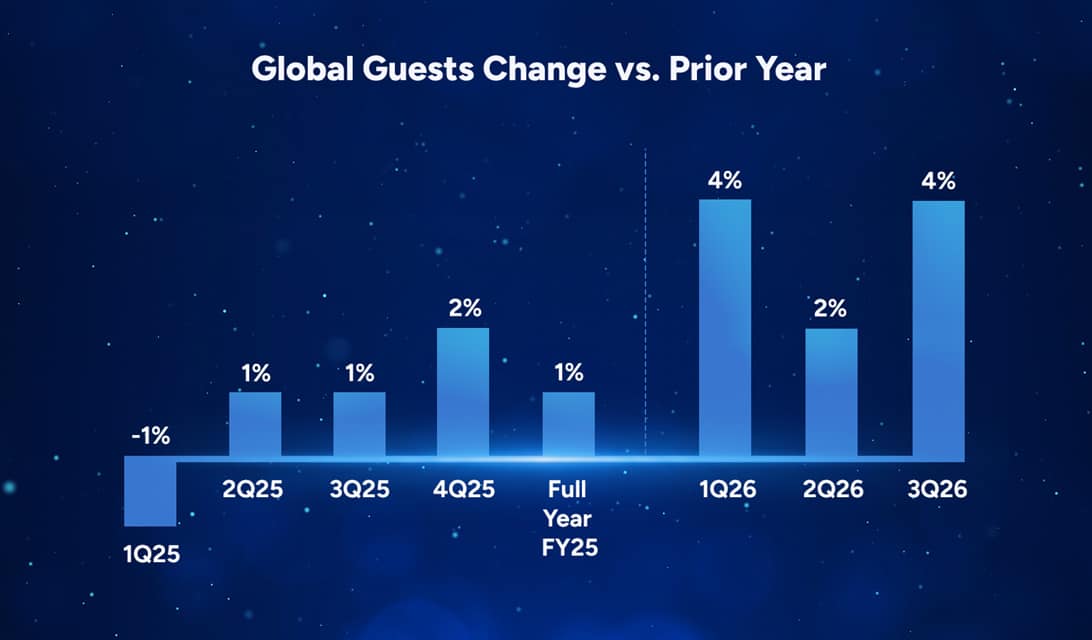
Disney’s Experiences segment (including Parks & Resorts) increased revenue by 10% for the third quarter, driven by 11% revenue growth at the domestic parks & resorts. Operating income growth was 20%, with $100 million in a tariff refund representing roughly four points of that growth.
Strength at the domestic parks, Disney Cruise Line, Consumer Products, and Disneyland Paris helped offset softness at the Asia parks (Shanghai Disneyland and Hong Kong Disneyland), which the company expects to continue in fiscal Q4.
Global Guest Days across the Experiences segment grew 4% and attendance at Disney’s domestic parks grew 3% versus the prior-year quarter. For reference, “Global Guest Days” is a newer metric the company is using that combines attendance at the domestic and international parks with passenger cruise days. Disney feels this provides a lens into the increasingly global and diversified Experiences businesses, and aligns more closely with investment initiatives around the world.

Walt Disney World had a stand-out quarter, with healthy core attendance increases from domestic tourists and Annual Passholders, and effective summer promotions and new experiences that further supplemented growth.
During the Q&A, Disney CEO Josh D’Amaro nodded to the widespread belief that attendance at Walt Disney World is down (admittedly, one we assumed was true until this morning!), mentioning the speculation among analysts and how the company had outperformed those expectations.
“It’s important to highlight that we’re performing significantly better than our competition,” D’Amaro added, taking a swipe at Universal in light of their recent earnings call that sounded an alarm on the Orlando market. “And in doing that, delivering strong volume and per cap spending results. And to remind everyone, we’re achieving this even during a period where there’s a fair amount of macro uncertainty.”
Forward bookings at Walt Disney World remain robust and the company expects another quarter of global guests growth in fiscal Q4, excluding the 53rd week, despite consumer softness in Asia. This forward forecast is not a surprise given the limited availability for recent round of resort discounts released for Walt Disney World.

Overall per guest spending at the domestic parks was up 4%.
Theme park admissions revenue growth was due to increases of 5% from higher average per capita ticket revenue and 3% from increased attendance. Parks & Experiences merchandise, food and beverage revenue growth was due to increases of 4% from volume growth and 3% from higher average guest spending.
At the same time, the company notes that it continues to face headwinds from international attendance at the domestic parks, but as expected, those headwinds have moderated relative to the year-over-year impact observed in fiscal Q2. Meaning that Disney is either lapping the decrease so the comparison isn’t as stark or the international slowdown has relented to some degree–or perhaps a combination of both.

Higher resorts and vacations revenue was attributable to increases of 10% from additional passenger cruise days, 2% from an increase in average daily hotel room rates, and 2% from higher occupied hotel room nights. The increase in passenger cruise days reflected the launches of the Disney Destiny last November and the Disney Adventure in March 2026. As we’ve pointed out previously, DCL should constantly be achieving record results so long as it’s adding ships.
Fiscal Q3 was the first full quarter with the company’s two newest cruise ships, the Disney Destiny and Disney Adventure. Together, these ships increased stateroom capacity by approximately 50% compared to the prior-year quarter and the company remains encouraged by current occupancy and forward bookings. Disney will continue bringing additional cruise capacity online in the years ahead.
Disney also saw strong attendance growth at Disneyland Paris following the opening of World of Frozen. Although no breakdown was provided, that is probably the biggest driver of the international per room guest spending gains discussed below, even as international occupancy decreased.
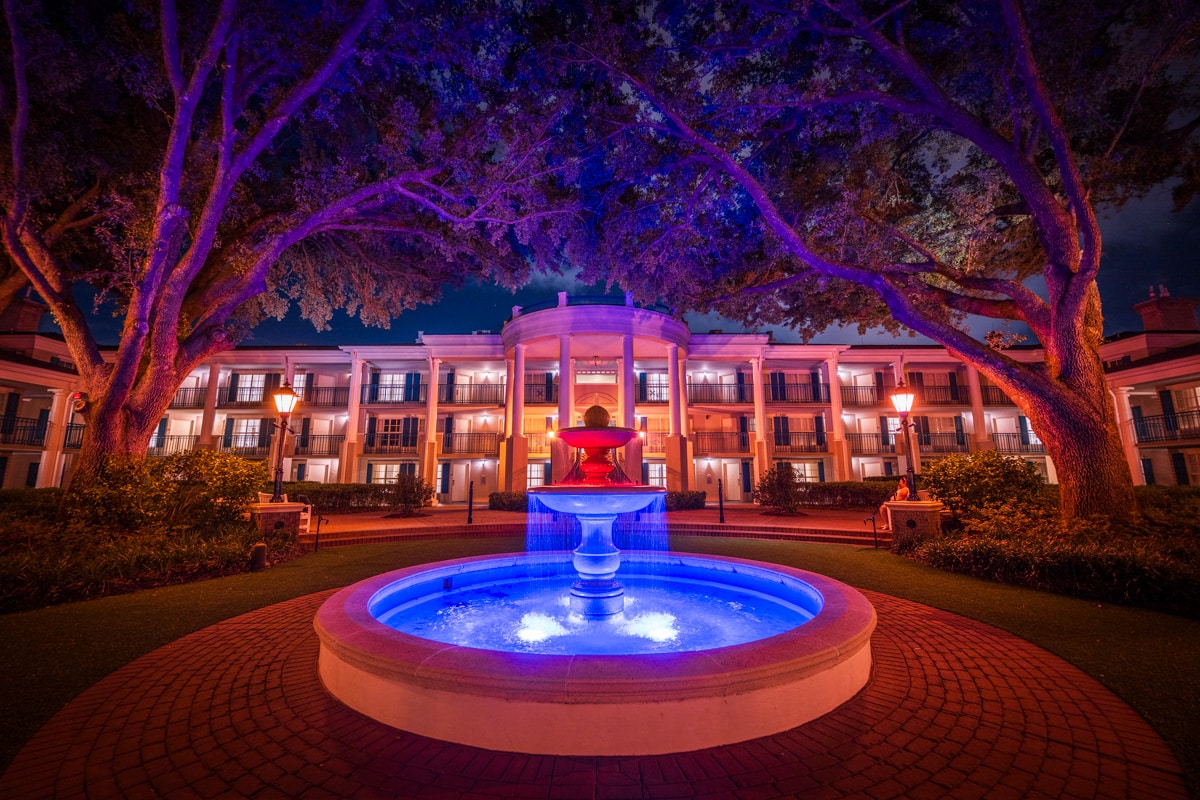
Drilling down a little deeper, Disney’s 10-Q showed that domestic resort hotel occupancy was up to an impressive high of 91%, up from 86% for the same quarter last year. Per room guest spending was up 3%.
For reference, occupancy in the second quarter was “only” 89%, so this even beats that busier timeframe. The third quarter encompasses the period that is largely after Spring Break, which has become one of the slower windows for the resorts. We’ve seen other quarters eclipse 90% occupancy with regularity, but to the best of my recollection, this is a first for the shoulder season and summer months in a long time.
Occupancy at the international resorts was down from 87% to 85%. On a positive, per room guest spending on the international side was up 7%, so it appears that Disney traded slightly lower occupancy for higher nightly room rates.
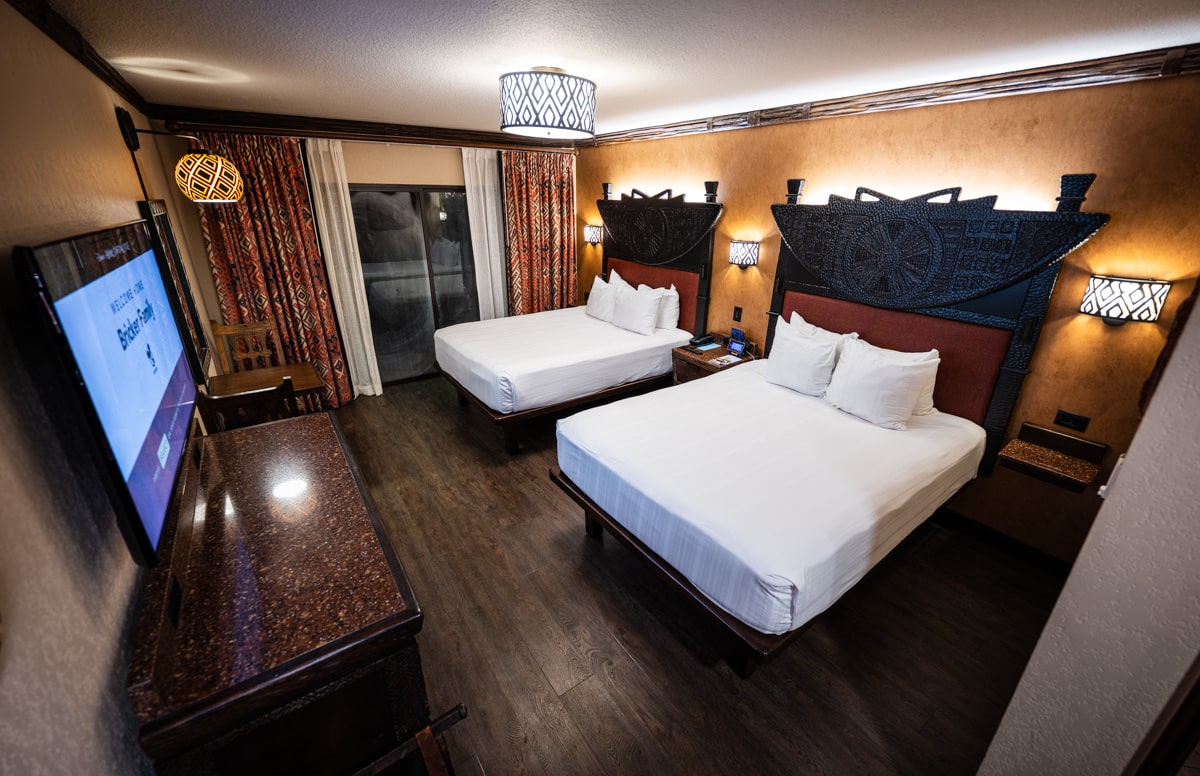
As we’ve pointed out previously, Walt Disney World offered aggressive discounts for 2026. Just as was possible last summer, you could strategically take advantage of discounts on tickets & resorts to score the lowest prices for Walt Disney World vacations in over 6 years. (Arguably better in 2026 for young families thanks to the Kids Eat Free promo.)
Many of these discounts have been released earlier and more thoughtfully than in previous years, which is likely moving the needle. For example, some of last year’s Cool Kids’ Summer discounts and even details were released fairly last-minute–probably too late to entice more prospective visitors (obviously there’s more value in that than there is in existing bookings applying discounts retroactively). Those same special offers arrived earlier in 2026, making them easier to plan around for guests.
The way shoulder season and summer played out in this quarter is a win-win for guests and Disney. Great deals were available (good for guests), occupancy was high as a result (good for Disney), and spending was up as a result of the higher and (presumably) more disproportionate on-site guest balance (meaning a higher number of people were staying on-site than off-site, with the latter obviously spending more).
This same approach probably applies to park attendance, with the 4-Park, 4-Day Magic Ticket likely being a driver of the strong results, too. Our view is that the Walt Disney World parks have excess bandwidth most of the year in terms of what’s comfortable crowd-wise, so we’d like to see an increase there with greater affordability. To each their own on that, though.

During the Q&A, an analyst touched on this, asking about ticket discounts at Walt Disney World and whether those were a sign of concern.
According to Josh D’Amaro, those deals are not a sign of weakness. They’re designed to reach a specific guest, whether that be a value-oriented consumer, local residents, or different type of consumer.
This is consistent with Disney’s commercial strategy, which is to offer targeted pricing to incentivize different groups. He then once again pointed to the growth in per guest spending other metrics, saying “we’re certainly not discounting our way to volume growth.”
The commentary we’d add here essentially reiterates the above. It’s erroneous to assume that the guest who purchases the 4-Park Magic Ticket is trading down from a regular 4-day ticket or pricier package. More likely, they are trading up from shorter duration tickets.
There’s certainly a mix of both, but on balance, there are likely more guests being upsold by better deals. At risk of stating the obvious, special offers are all about capturing more revenue and upselling guests. This is precisely why the best deals are offered on longer duration packages as opposed to shorter ones.

Johnston was also asked about the impact on the Iran war and rising gas prices on Walt Disney World and Disneyland.
“You’ve seen the numbers,” Johnston started. He indicated that forward bookings remain strong at Walt Disney World and for Disney Cruise Line. He more or less reiterated what was on the earnings report itself.
Now expects Experiences to deliver on high end of growth forecast. There’s been no impact based on rising gas prices thus far, but that Disney is mindful of macro uncertainty. They are not immune from potential impacts, but they’re not alone in that. If there are impacts, there are “levers” in place that can be pulled to offset higher prices of gas.
Johnston also touched on Disneyland Abu Dhabi with this, and indicated it’s being designed not for the next quarter or year. It’s being built for decades and decades down the road, and they believe in the long-term strategic value of that park, and the company fully extends on seeing it through.

The strong forecast for the fourth quarter at Walt Disney World is interesting. This is likely a result of the company’s methodical approach to special offers and incentives, suggesting that they’re doing a good job of pulling those “levers” and offering targeted promotions.
This quarter encompasses July, August and September, which are the summer and offseason months. Keep in mind that strength is in relative as opposed to absolute terms, meaning that attendance and occupancy should outperform the same period last year. It does not mean that what’s typically the slowest 6-week stretch of the year will suddenly be packed with people.
Looking forward even further beyond what was discussed on the call, we have no doubts whatsoever that the first quarter of the 2027 fiscal year will be strong. Just based on special offer and resort room availability–or rather, lack thereof–it’s clear that on-site bookings are very healthy. Obviously, a lot hinges on the off-site numbers, but there’s no reason to believe the weakness from the Iran war or international downturn just hasn’t shown up yet in the data.

“Domestically we’re doing extremely well right now,” CFO Hugh Johnston told CNBC prior to the earnings call, and also called out the “very strong attendance” at Walt Disney World. (As noted, domestic attendance was up 4%. Our assumption is that, unlike the previous quarter, there was disproportionate growth at Walt Disney World.)
“Those numbers are somewhat different than what you would have seen from our competitor down there, as well as some of the reported traffic coming through Orlando Airport,” Johnston added. As noted above, Josh D’Amaro also underscored the contrast being Walt Disney World and Universal Orlando during the Q&A of the earnings call itself.
Late last month, Comcast had its earnings call and revealed that Epic Universe Is Not Empty, But Universal Is Seeing “Softening” Summer Crowds. Specifically, that company’s co-CEO said that “attendance across the broader Orlando market began to soften in June, and that trend has continued into the third quarter.” Comcast executives attributed this to higher fuel prices and weaker consumer sentiment.
Based on Disney’s earnings call for the same quarter, it would seem that the softening is not occurring across the entire Orlando market. Walt Disney World appears immune from the macro trends impacting its competitors.
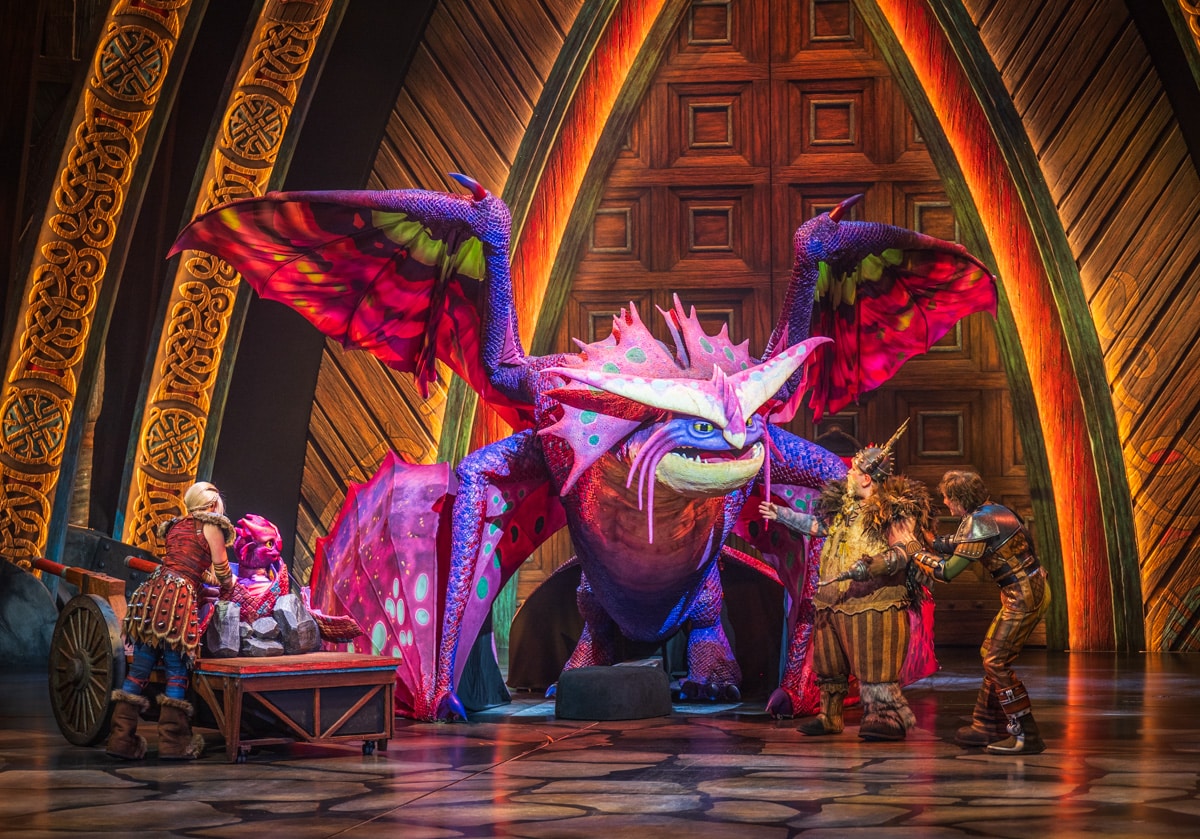
Speaking of Universal Orlando, one of the final questions asked how much of Walt Disney World’s stand-out quarter is attributable to organic growth and how much was a bounceback following last year’s launch of Epic Universe.
Johnston indicated that the attendance gains and other growth were entirely attributable to Disney’s own organic actions, such as marketing initiatives and special offers. He reminded that Disney’s own forecasts from last year indicated that the company wasn’t expecting much of an adverse impact from the launch of Epic Universe. Those projections turned out to be largely accurate, and he gave credit to the parks team for that.
We’d add that this is most definitely accurate and not spin. As should be painfully obvious by now, Universal is not going to eat Disney’s lunch and Epic Universe isn’t hurting Walt Disney World. To be sure, Epic Universe is a great theme park that will be a formidable force over time. But Epic Universe is still scaling up and struggling to find its footing.
Nothing we’re seeing right now offers any support to claims that Epic Universe is negatively impacting Walt Disney World in any way, shape or form. It’ll be an interesting saga to watch continue in the years to come, especially as Epic Universe improves and eventually is added to Universal Orlando Annual Passes.
Even over a longer time horizon, the “rising tides” thesis is likely correct, at least for the two big players in Central Florida. The true casualties will be the downmarket offerings, which are already feeling the squeeze in Orlando and beyond, especially as more price-sensitive consumers scale back on spending.
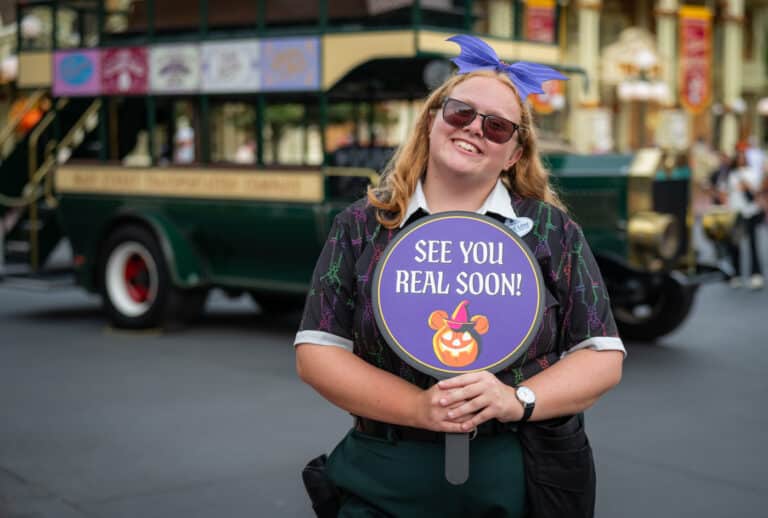
Ultimately, it was once again a strong quarter for the Disney Experiences division, including both the domestic and international parks. The only exception to that was Hong Kong Disneyland and Shanghai Disneyland, which is particularly disappointing since both were celebrating milestone anniversaries during portions of the quarter.
Challenges lie ahead for Walt Disney World and Disneyland with softer international visitation numbers and higher gas prices, but it appears from forward bookings that those headwinds are being overcome. It’ll be interesting to return to this in three months to see whether the company’s optimism and forecast was accurate or not. At this point, we’re willing to give the benefit of the doubt here, as Disney has already navigated the last couple of quarters shocking well, and the domestic parks are proving much more resilient than the competition.
Planning a Walt Disney World trip? Learn about hotels on our Walt Disney World Hotels Reviews page. For where to eat, read our Walt Disney World Restaurant Reviews. To save money on tickets or determine which type to buy, read our Tips for Saving Money on Walt Disney World Tickets post. Our What to Pack for Disney Trips post takes a unique look at clever items to take. For what to do and when to do it, our Walt Disney World Ride Guides will help. For comprehensive advice, the best place to start is our Walt Disney World Trip Planning Guide for everything you need to know!
YOUR THOUGHTS
Thoughts on the Walt Disney Company’s third quarter fiscal year 2026 earnings? Surprised that Walt Disney World delivered a “stand-out” quarter that fueled growth? How would you explain the increases in per guest spending or occupancy growth at WDW and beyond? What about the attendance or occupancy gains? Thoughts on the international visitation slowdown or headwinds ahead? Do you agree or disagree with our assessment? Any other thoughts or commentary to add? Any questions we can help you answer? Hearing your feedback–even when you disagree with us–is both interesting to us and helpful to other readers, so please share your thoughts below in the comments!





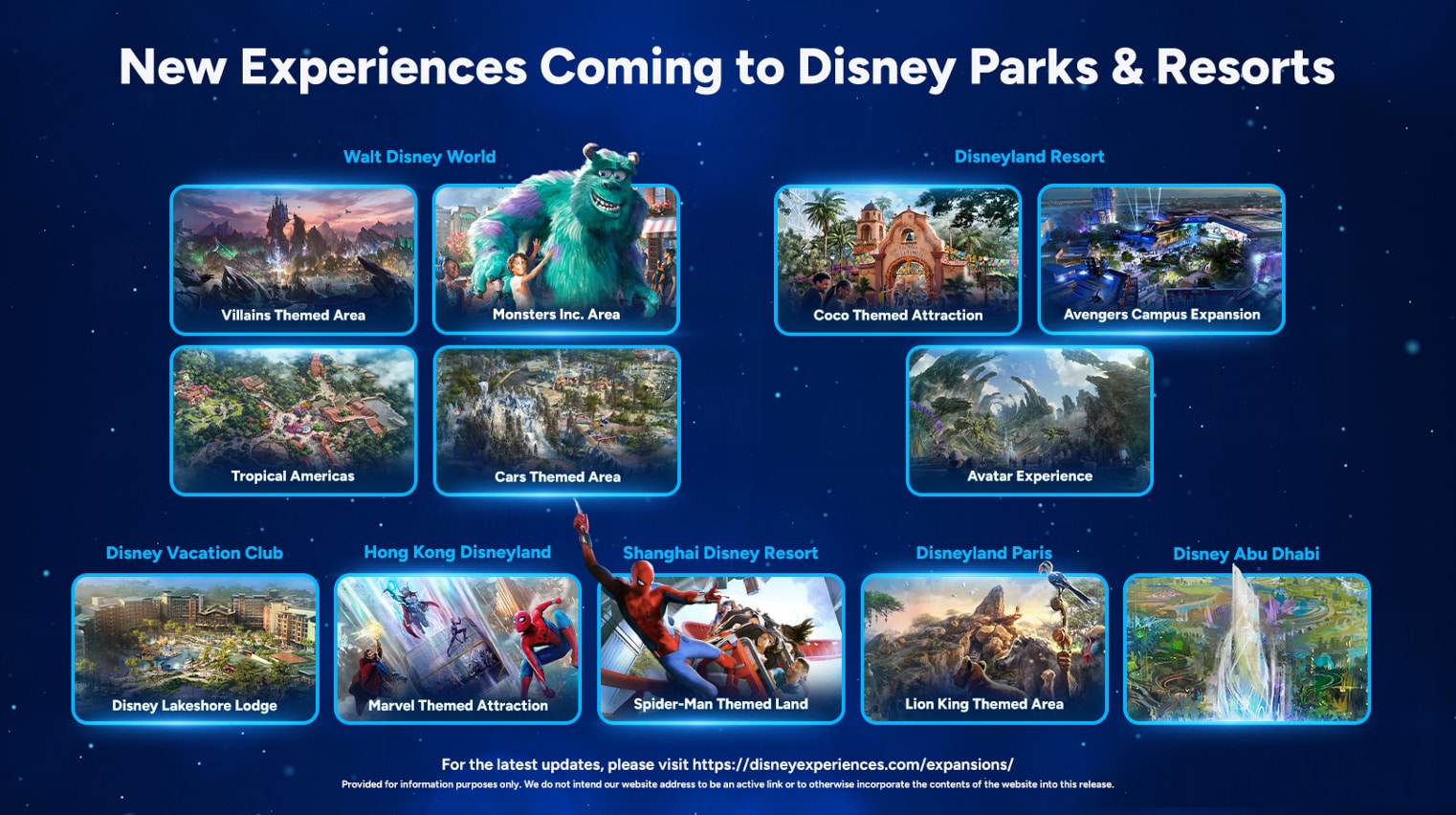
Do you think that an Avatar Experience at Disneyland being included on the slide titled “New Experiences Coming to Disney Parks & Resorts” will put an end to the rumors Disney has changed their mind and this would be a Zootopia or Monsters Inc land instead? Perhaps we will hear more at D23.
I wouldn’t read too much into it. The slide is somewhat old given it doesn’t reflect the name change to Disney’s Lakeshore Lodge (the addition of the ‘s).
Anecdotal regarding impact of Epic Universe: last year was my family’s first trip to Orlando since 2020, now with two more kiddos in tow. We did shorten our intended Disney trip in order to check out Universal and specifically Epic Universe. We had one issue Universal theme park wide which was due to having a below 5th percentile height 8 year old and a total of 4 kids and my erroneous belief that I could be a “supervisory companion” from a row in front/behind like at other theme parks we’ve attended. That is a niche issue that we realized meant we should wait for a bit more height before our next trip.
Then we went to Epic Universe. It was gorgeous, but we were there on a rough operations day, not due to weather except for one short afternoon rain. On Stardust racers, the team members did not operate rider swap correctly. We were made to wait through the line twice during a time that the ride also went down (not due to weather). What was a 35 minute posted wait time (which I’d assumed would be 60 minutes to complete with rider swap) ate up just over 2 hours. We had to ask four different team members how to get to guest relations and once there were met with, “No, that’s not how that works” in regards to the rider swap experience we had. We finally got a “Thanks for letting us know. We’ll make sure to talk to the team about that since it’s not right.” and a single limited express pass (not for use on Donkey Kong or Harry Potter). We expressed that was a very disappointing resolution that wouldn’t get our day back on track, got a “Sorry” shrug, and went about our day. We were calm and patient and left feeling that we probably would’ve received a better solution if we could find it in ourselves to be overbearing or demanding. But it left me feeling very unvalued as a customer that paid the premium (higher cost per day vacation package in a Universal value resort than we had at the Contemporary Garden Wing) for Epic’s inaugural year (lesson learned there too!).
Both companies gobbled a lot of our money, but only one seemed happy to do so. We have three trips planned to Disney in the next year alone. We’ll try Universal again sometime in the 2030’s. So for our family at least, Epic Universe slightly hurt Disney occupancy/attendance in 2025, and significantly helped it in 2026 and beyond.
Thanks for sharing your experience–sorry to hear it was so negative.
Honestly, I cannot say I’m surprised by your final sentence, and suspect Universal and Disney are both seeing the same in their surveying, but without either wanting to say it.
Theme park fans may not want to admit it, but outside of our bubble, word of mouth on Epic Universe has been bad. (And I’m not saying this as a biased Disney fan. My favorite park in the world, Tokyo DisneySea, is experiencing the exact same issue.)
Thanks, Tom! To be fair, I did highlight the negative to explain the attendance impact. We made the best of it all and had a good time (food was a highlight, and the Harry Potter ambience was thoroughly enjoyed). But we had an excellent time at Disney with better responses when things went awry. Even the Mario and Minion loving child was like, yeah Disney was more fun. If our Universal experience had cost 70% what we paid, I would also feel differently. I suspect they gouged a bit due to the excitement and high demand when they would’ve been better served long-term in “selling out” at lower prices to assist with expectations vs reality as they worked out the kinks. Word of mouth definitely matters!
On the streaming business, I’ll have to look back, but I think this quarter is when Disney finally shut down the Hulu app for good, so I’m assuming a significant chunk of that increase in Disney+ subscribers is due to Hulu accounts transferring over.
The streaming numbers are consolidated for Disney+, Hulu and ESPN.
How bad of a problem is line jumping in 2026 at WDW? I’ve seen some recent chatter about that topic online. While people’s perception of it varies, everyone seems to think it’s widespread, and no one seems to think WDW has a clear policy on it, or is doing enough to stop it.
I think two things are probably true:
1) Post-COVID, people behave worse. Anti-social behavior is on the rise, as is entitlement, selfishness, etc. Probably a ton of drivers for this, but I fully believe this is a real trend. And not just at Walt Disney World, but society-wide.
2) Social media shines a spotlight on things that were once “invisible,” creating the perception that a lot of things are worse today than they were in the past. In reality, there’s just greater visibility.
Regardless, I don’t think line-jumping has a measurable impact on crowds or wait times.
This is only one data point, but we were there for six days in mid-July, and we did not witness a single incident of line jumping in any of the parks. Didn’t see any when I was there for six days in late February/early March, either.
My experience has been very noticeable at Disneyland. No doubt Tom is right. I believe because of the new rules for DAS where parents are able to leave the line to take their child to the restroom has bolstered these non ethical elitists to take advantage of this rule. I really like that parents can take their child out of line, a sometimes 60+ minute line for the restroom. We use it for my great niece. We then meet them when we get to enter our ride vehicle while we waited in line. This last spring, in 3 different ride lines, groups of people would leave the line to go get alcohol. Then unceremoniously push their way back up the line to meet their group with the alcohol dripping and spilling on people and peoples belongings. The other issue we saw was large families would split up because half went to ride another ride. They then would push their way through the line to meet up with the rest of the family. For most of the time they were in contact on the phone telling them where they are in line. Unfortunately, there are not cast members “in line” to stop this. The cast members at the entrance say they can’t stop them because of the new rule. I never in all my years had experienced this. So, for myself and my family, yes. We did, and are seeing a lot more line jumping that is simply not taking you child to use the restroom. They were large groups.
“Josh D’Amaro nodded to the widespread belief that attendance at Walt Disney World is down (admittedly, one we assumed was true until this morning!)”
I am curious to what you think the explanation is that everyone, including our favorite Disney Blogger, assumed attendance is down at WDW, but was actually up. My first thought was that perhaps it was operational improvements similar to what you reported Disneyland has done recently to get more ride uptime and efficiencies?
“My first thought was that perhaps it was operational improvements similar to what you reported Disneyland has done recently to get more ride uptime and efficiencies?”
That would be one of my first thoughts as well. I’d also add that for Cool Kids’ Summer, there’s a lot more entertainment, and that can absorb crowds without contributing to wait times. (That only explains the last month of Q3, though.)
Starlight wasn’t not being performed during this quarter last year. There’s also capacity back online via Buzz, BTMRR and RnRC, and fewer refurbishments. Hours are slightly longer at MK and DHS year-over-year.
Even as the parks feel less crowded as a whole, previously “underutilized” areas like Animation Courtyard are packed with people.
Lower Lightning Lane utilization (paid and DAS) could be a partial explanation, as well, but it’s been over a full year of that, so I feel like WDW has mostly lapped that by now.
Honestly, it’s really hard to fully explain. Definitely better results than I expected, but it’s good for guests if crowds feel lower even as they’re actually higher.