
Imagineering Can Still Do Lavish Disney-Themed Resort Rooms
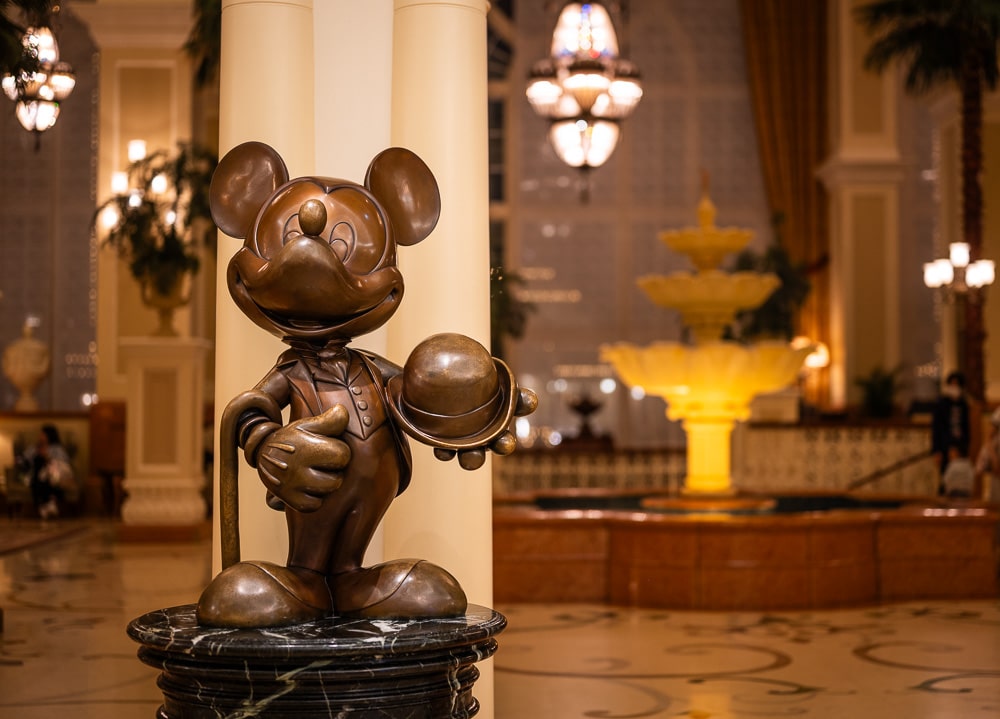
Walt Disney World fans love to hate new hotels and resort reimaginings, complaining that designs are boring, bland, generic, bare, sterile, hospital-like, prison-like, dystopian. Unfavorable comparisons abound to Hiltons, Marriotts, and other ‘real world’ chains.
Comb through the comments of pretty much any of our articles about resort room reimaginings, and you’ll find no shortages of these criticisms. You won’t find a single Walt Disney World resort refurbishment where the fan response is unanimously positive. There’s a lot of negative sentiment swirling, which is the nature of nostalgia and change–but it’s more than just that. In many cases, even the consensus among fans about the room redesigns is negative.
One of the more extreme reactions to this, often accompanied by the hyperbolic comparisons to hospitals and prisons, is claims that Imagineering has “lost its touch” or “no longer has it.” It’s one we’ve heard with many new resorts, like the Island Tower at the Polynesian and Disney Lakeshore Lodge. My take on all of this is that it’s more nuanced.
I’m not a fan of the exterior of Island Tower or the location of Disney Lakeshore Lodge. I strongly dislike the trend of bland and boxy towers that are underbaked thematically. However, it’s unfair to lay all of that–or perhaps, any of that–at the feet of Walt Disney Imagineering. The recent trends in hotel layouts, exteriors, and even room design are driven largely by management decisions and guest preferences.
The easiest and most accurate rebuttal to claims that Imagineering has lost its touch is projects proving conclusively that they do, in fact, still have it. If the claim is that they’ve lost it, all it takes is one example to demonstrate that they haven’t. That some other externality–whether it be management, budget cuts, consumer preferences, etc–is to “blame” for the failures.
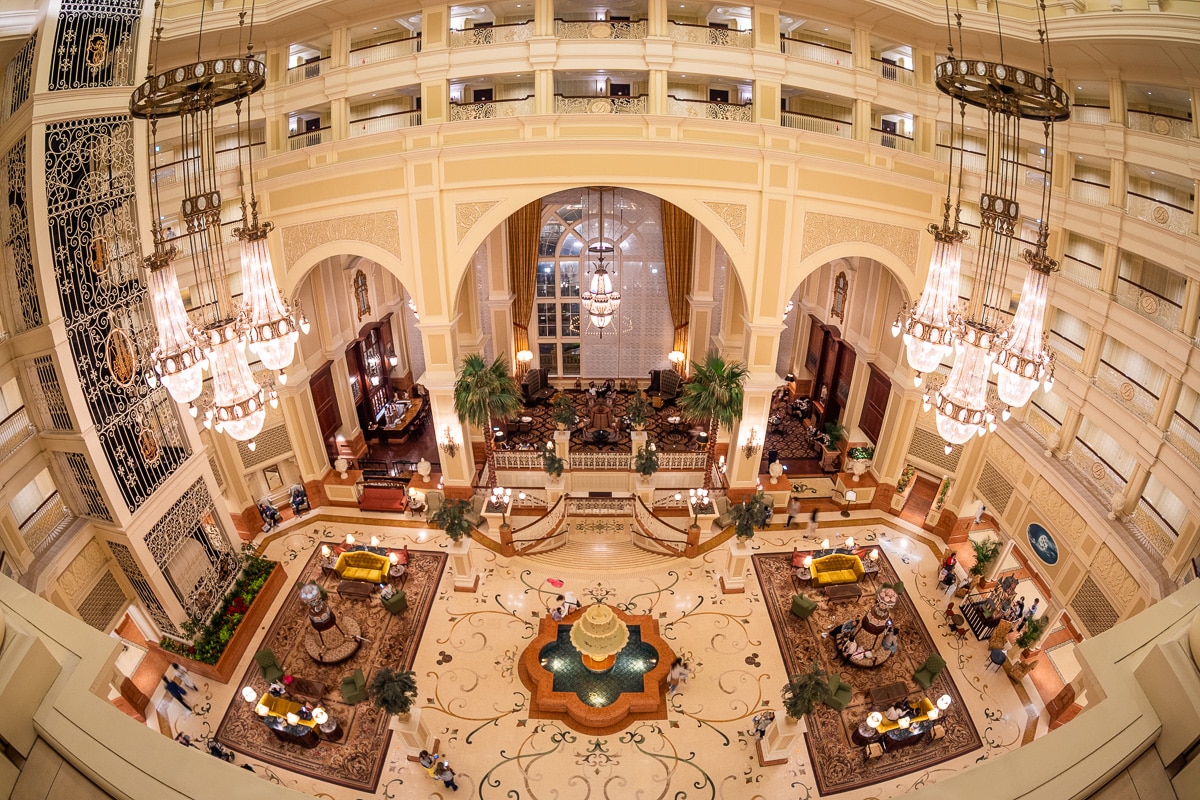
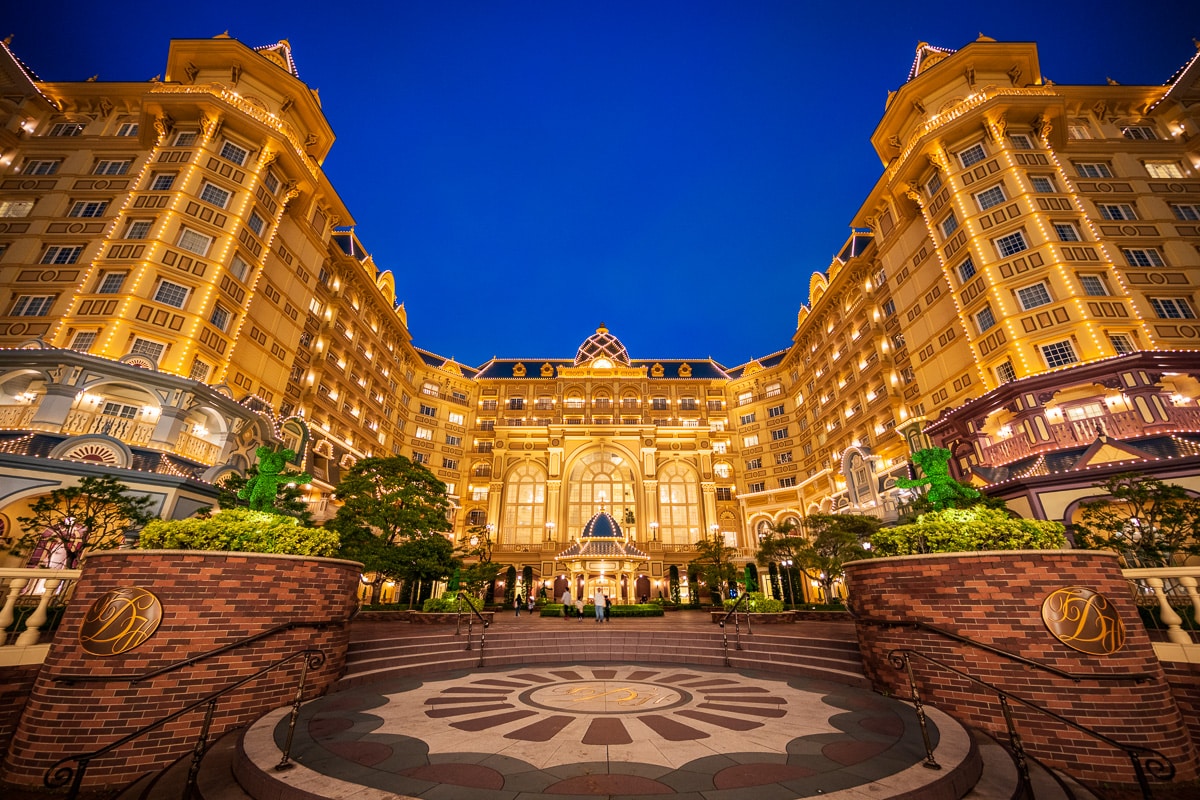
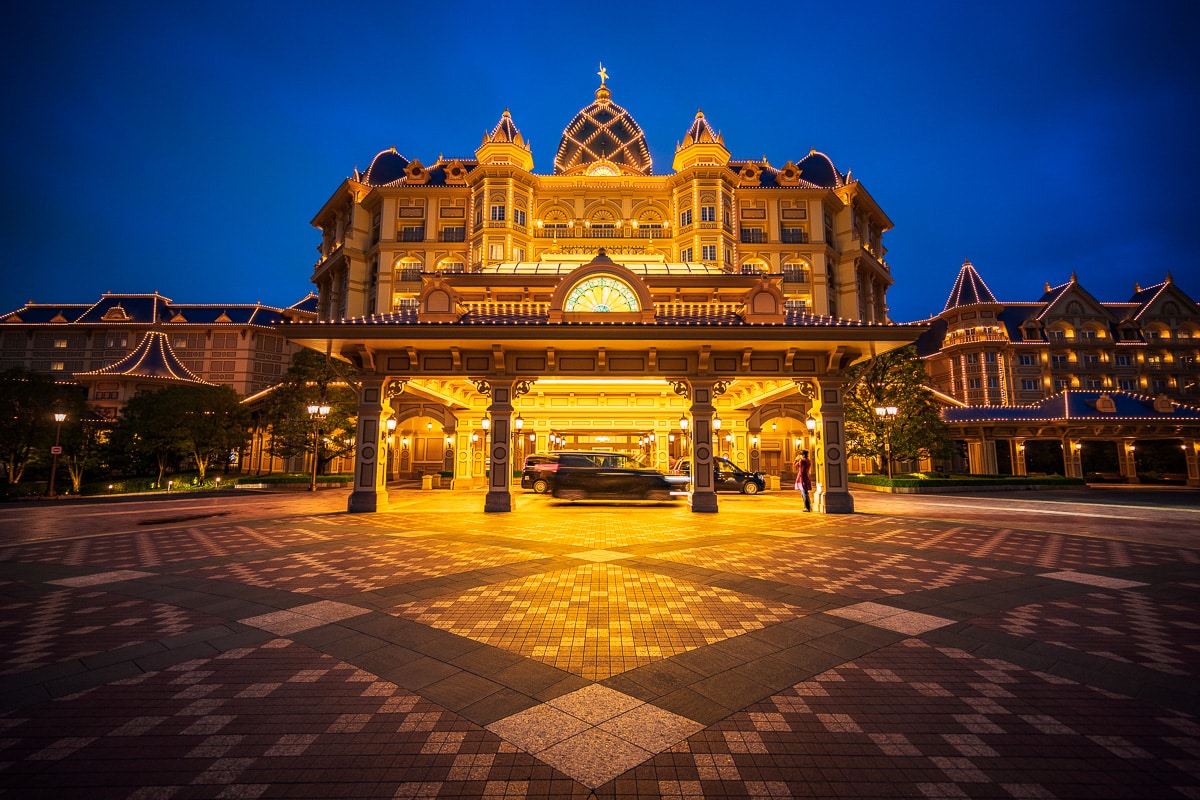
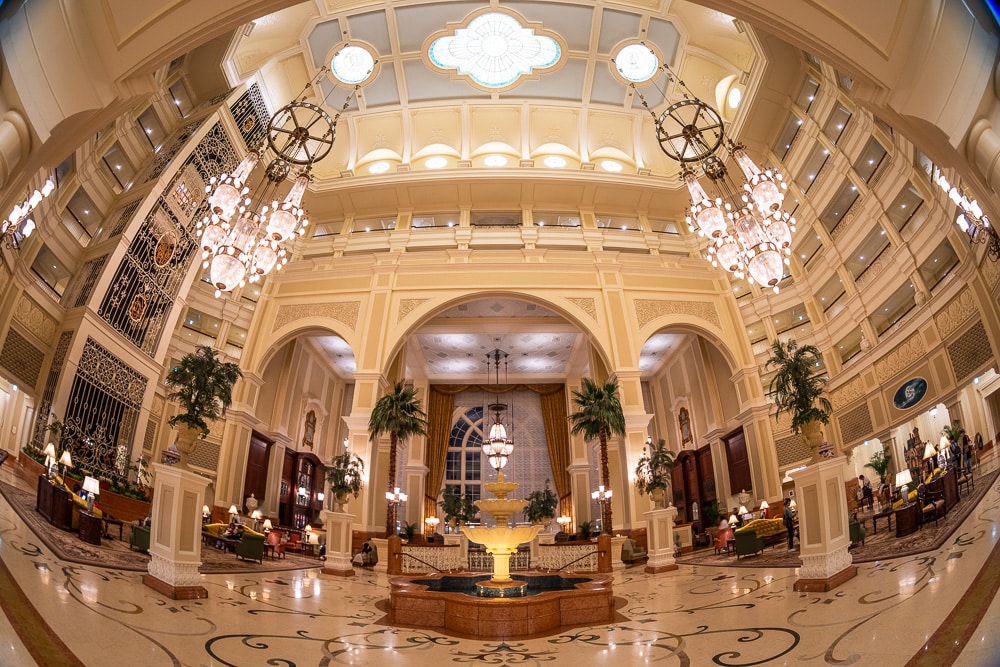
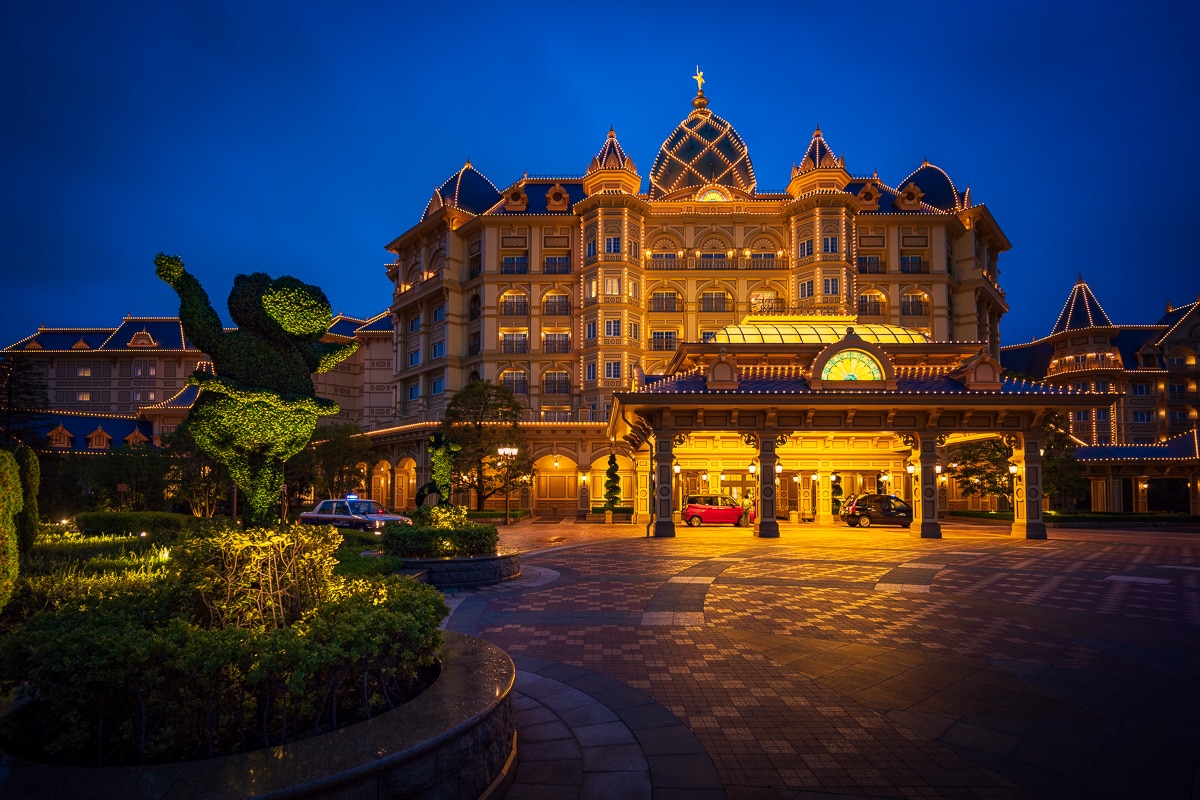
Against that backdrop, let’s take a look at the guest rooms in Tokyo Disneyland Hotel. This is their Victorian-themed luxury resort, occupying roughly the same status as the Contemporary Resort at Walt Disney World.
Just to be clear, the Contemporary and Tokyo Disneyland Hotel are quite different. The more obvious thematic comparison is the Grand Floridian, and the two hotels arguably offer a similar level of luxuriousness and flagship quality.
However, Tokyo Disneyland Hotel is not the flagship property at Tokyo Disney Resort. It’s the middle of the road Deluxe Resort equivalent, costing less than Hotel MiraCosta or Fantasy Springs Hotel at TokyoDisneySea, but more than Toy Story or Ambassador Hotels.
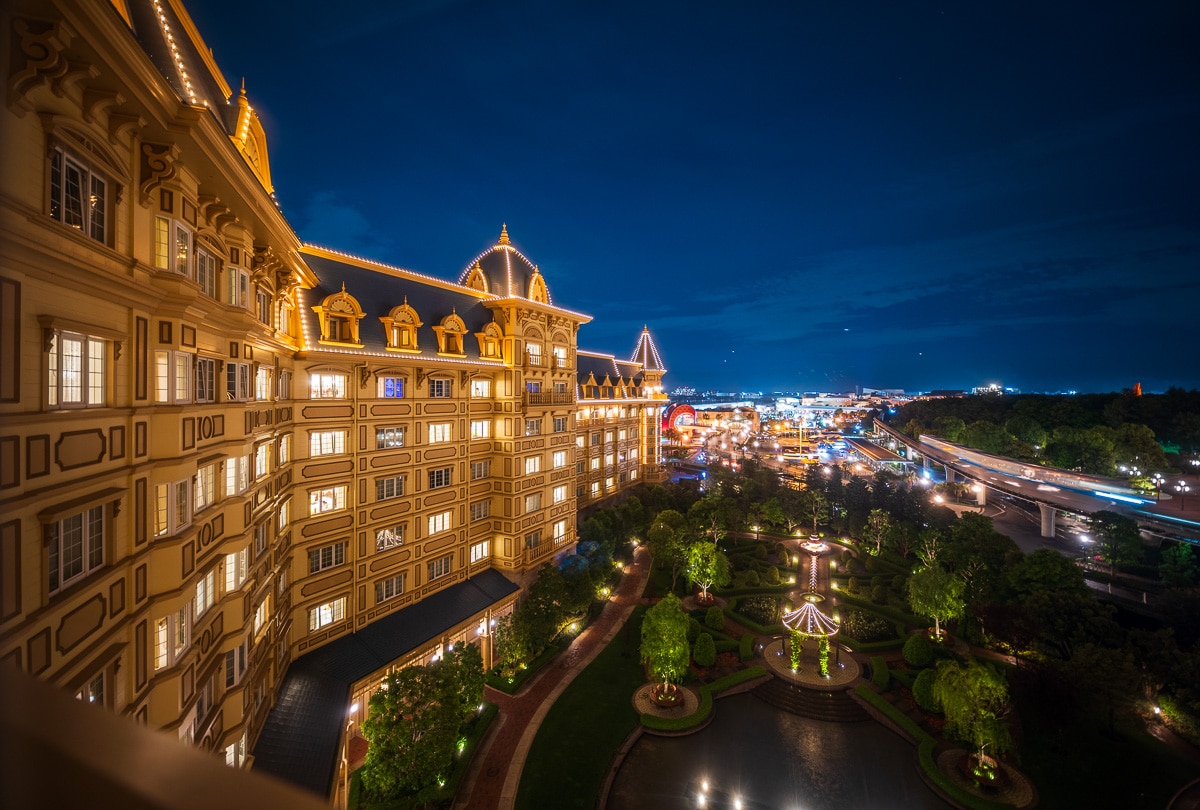
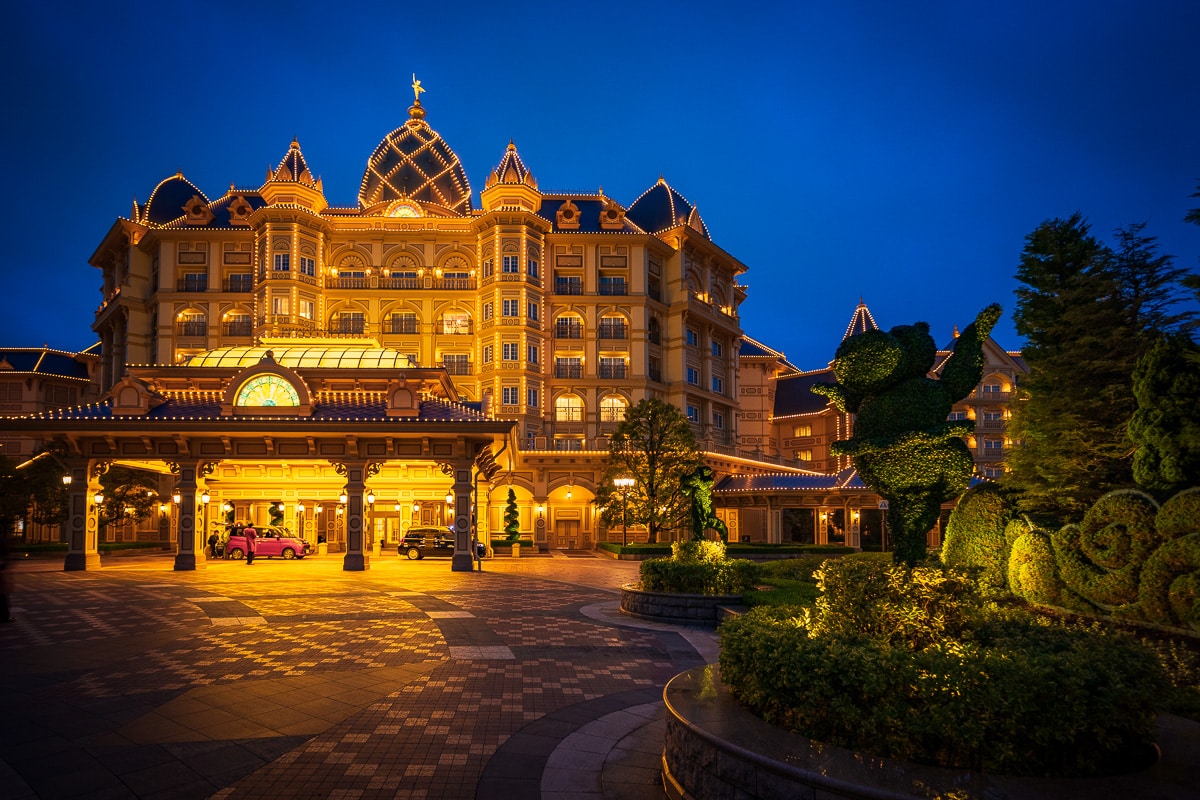
Tokyo Disneyland Hotel is also located a similar distance from its castle park as Contemporary. It’s likewise a monorail loop resort (that’s the monorail on the right, as seen from our room), but the difference is that the park and the hotel share a monorail station and the hotel is centered behind the entrance, with park views that directly face Cinderella Castle and World Bazaar (their Main Street).
Room rates at Tokyo Disneyland Hotel start at around $400 per night, which is cheaper than rack rates for the Garden Wing at the Contemporary. However, they’re not that far apart when adjusted for cost of living and discounts that are frequently available at Walt Disney World.
The room we stayed in at Tokyo Disneyland Hotel was the Superior Alcove Room, which is a type of standard room. Tokyo Disneyland Hotel has 4 main types of guest accommodations (standard, character, concierge, and suite), with over two-dozen subcategories.
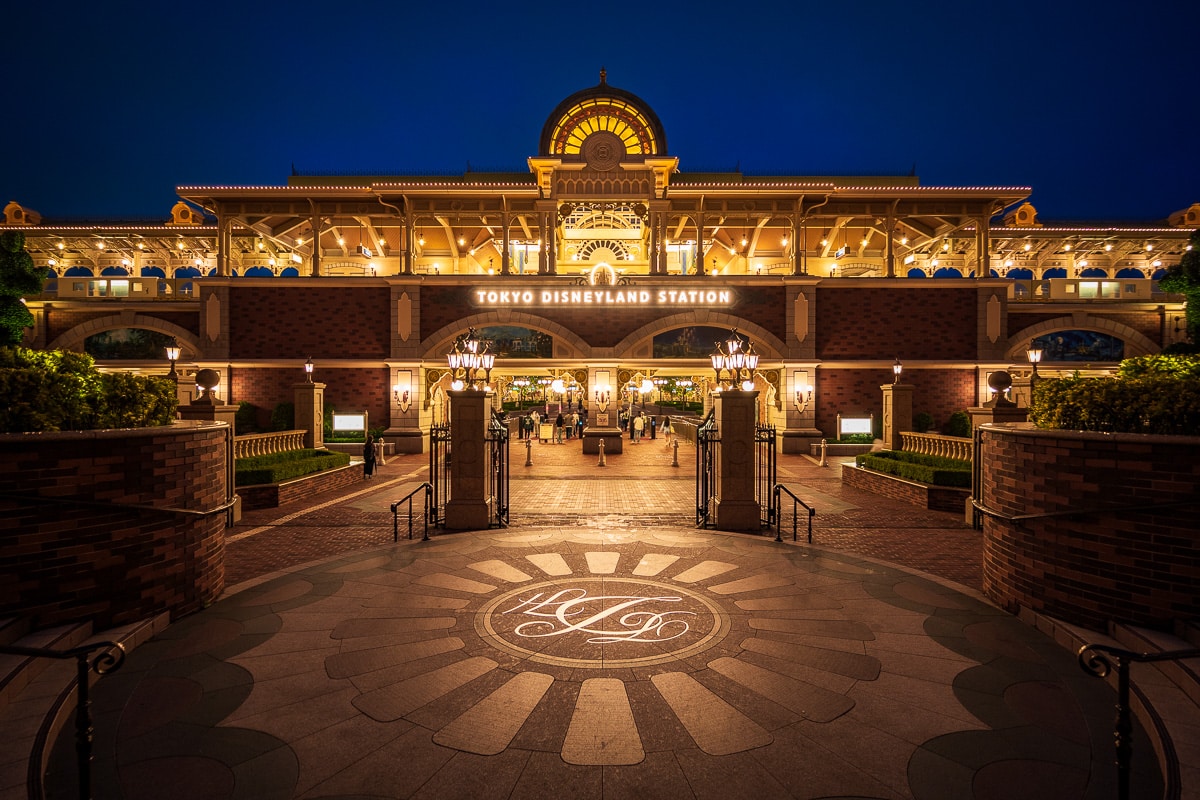
Standard rooms account for 457 of the 706 guest rooms at Tokyo Disneyland Hotel, and the Superior Alcove Room is the most common room type. We’re big fans of this category, and recommend splurging on the park view. There are also character rooms themed to Tinker Bell, Alice in Wonderland, Beauty and the Beast, and Cinderella; we’ve never stayed in any of these.
For planning purposes, it’s probably also worth noting that from January 4, 2027 through March 14, 2027, Tokyo Disneyland Hotel will be undergoing intermittent refurbishment of the character rooms (more info on TDR’s official site). As fun as these rooms look, they face away from the park, and it’s tough for us to pay a premium for rooms with an inferior view. Especially since the standard rooms look this good.
Anyway, just wanted to contextualize all of that. The highly-themed guest rooms at Tokyo Disneyland Hotel largely speak for themselves, so here’s a look:
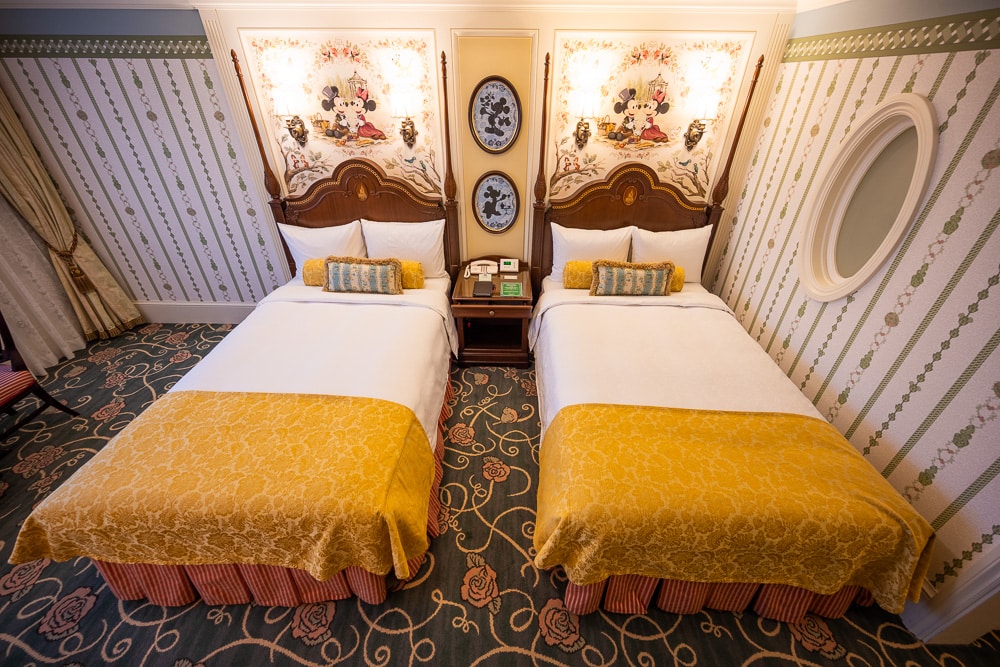
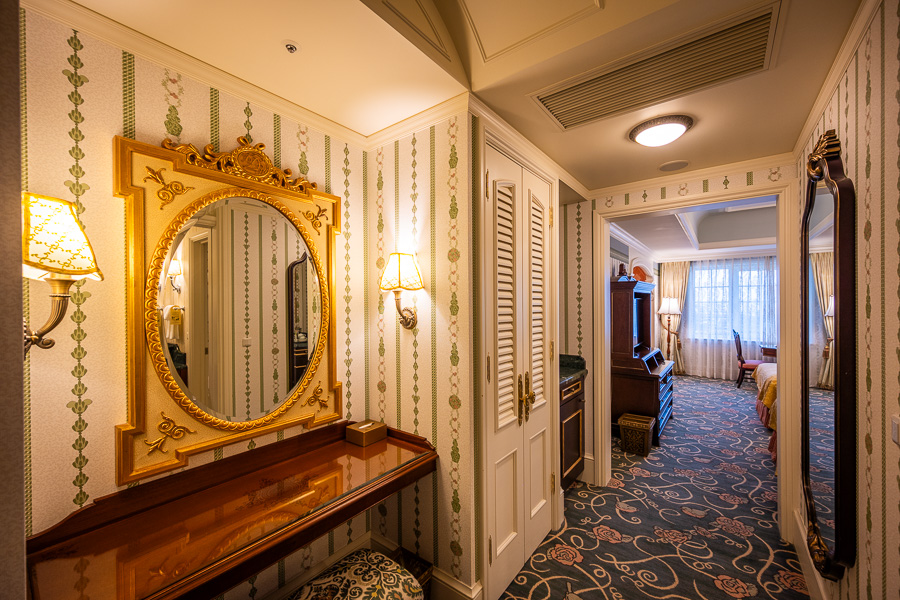
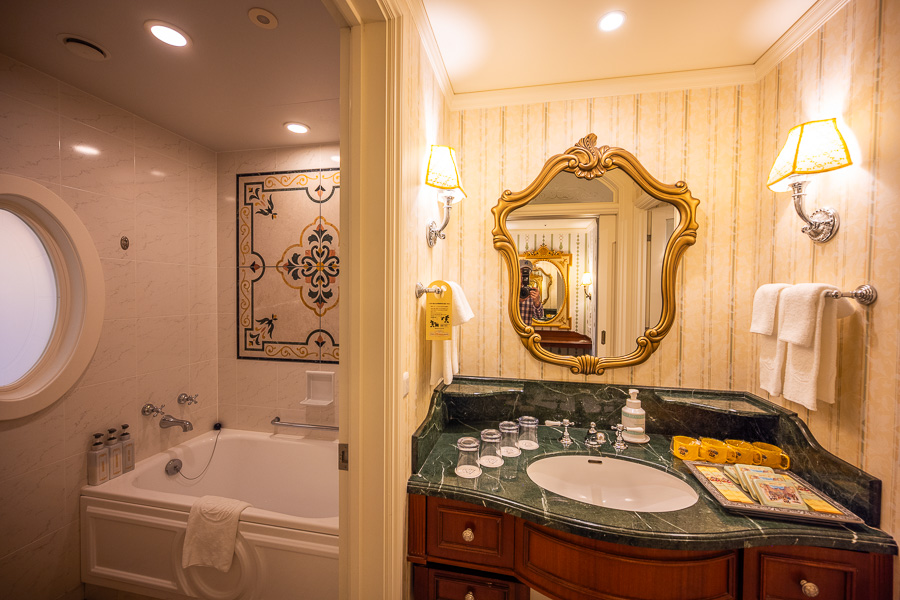
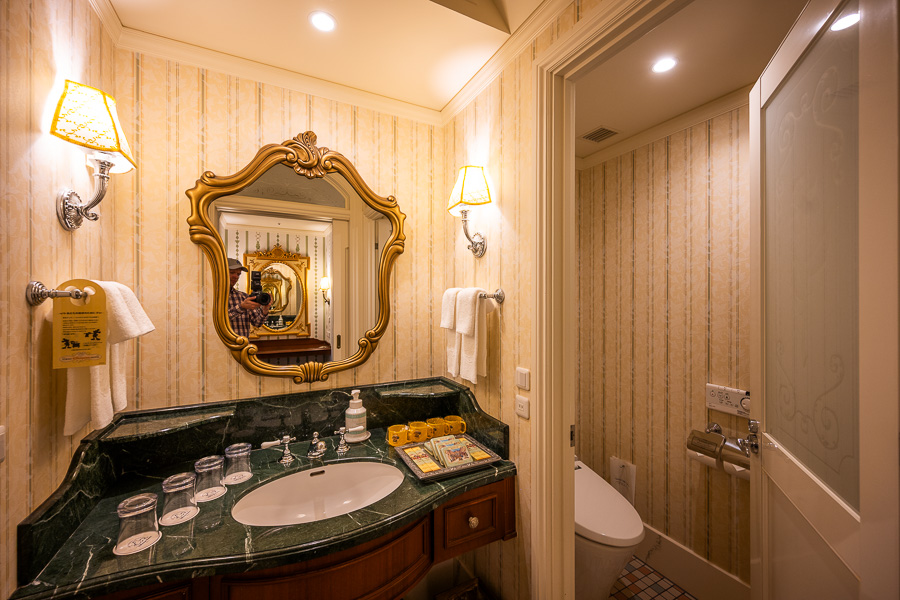
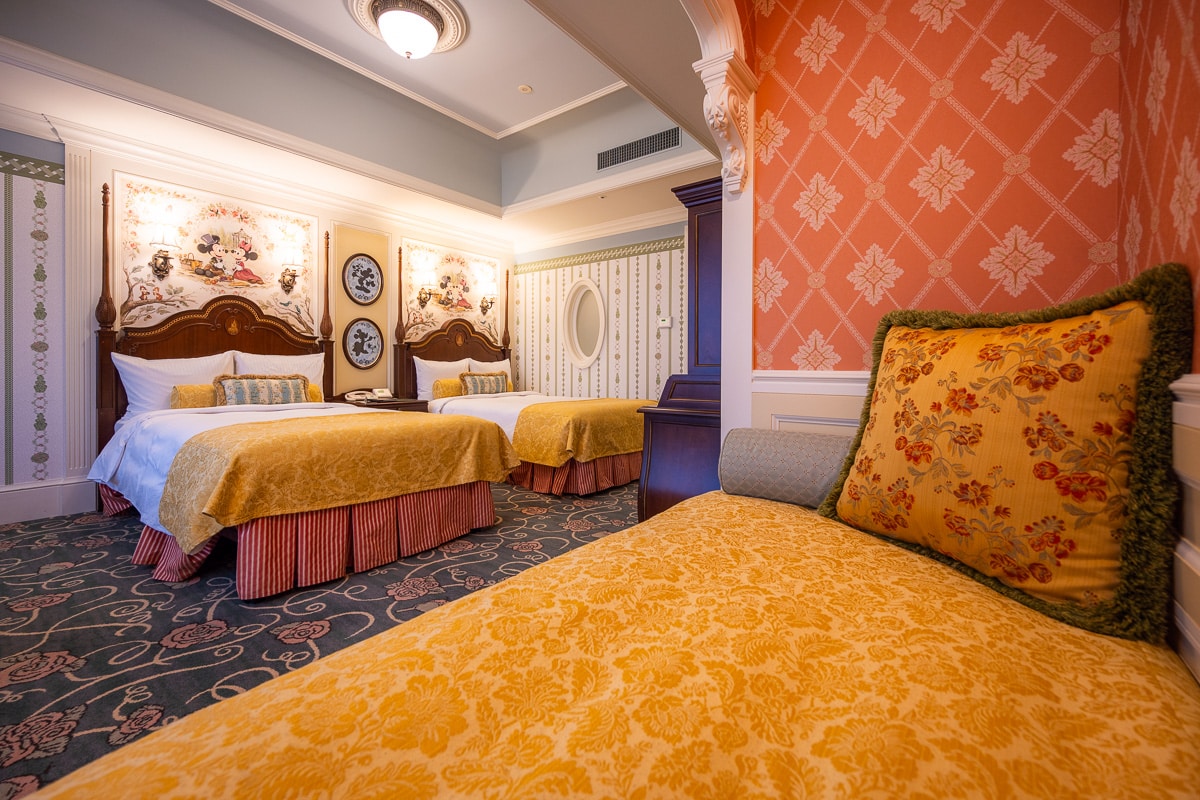
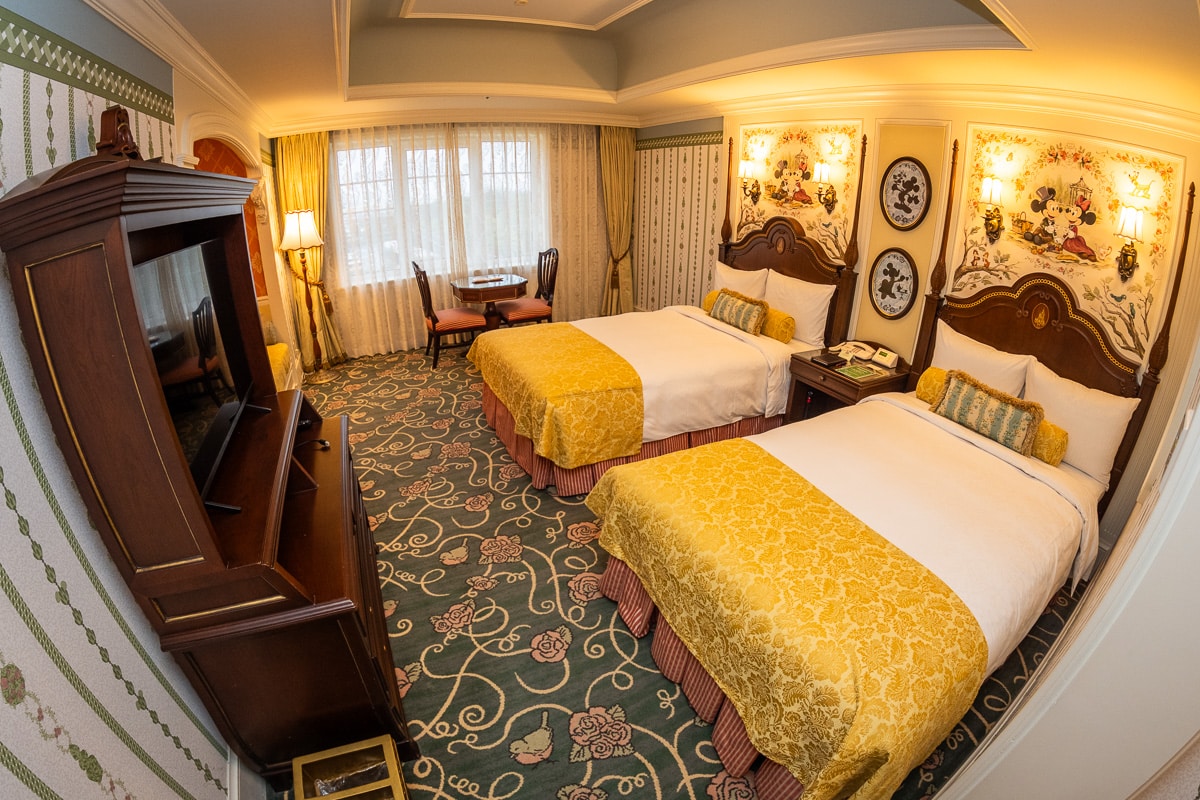
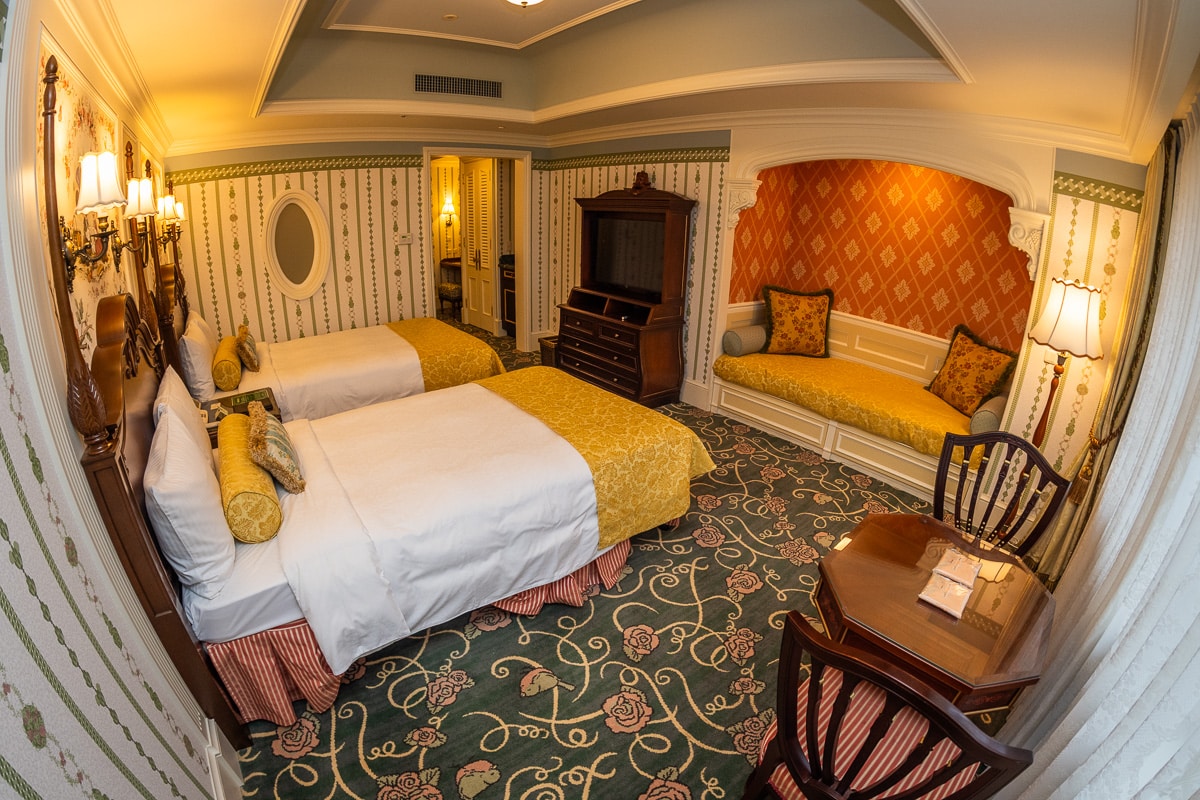
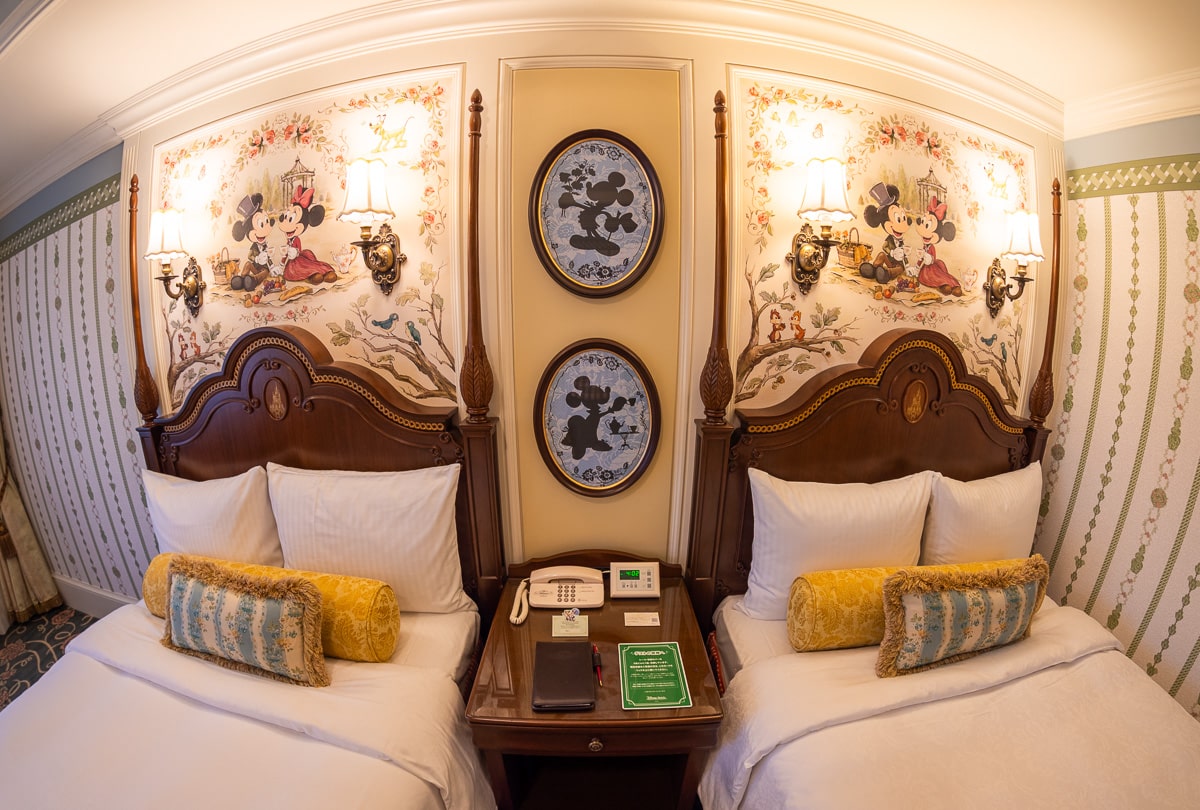
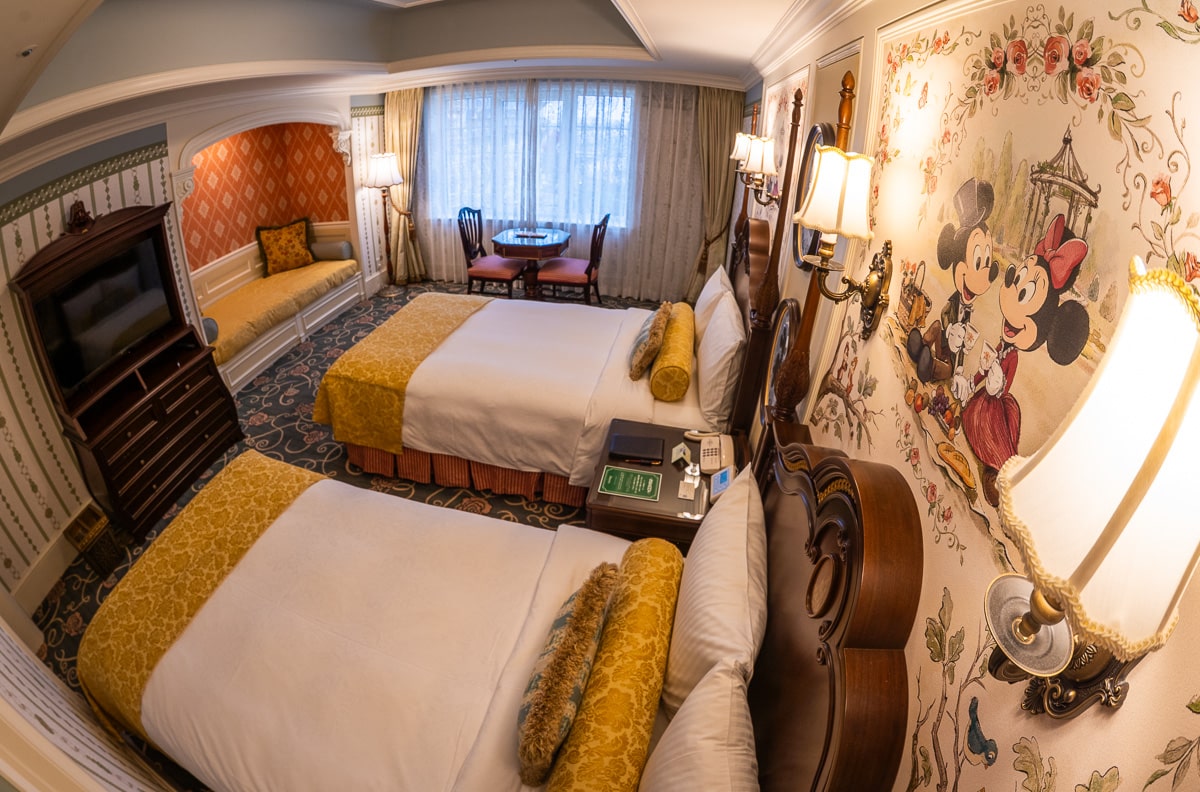
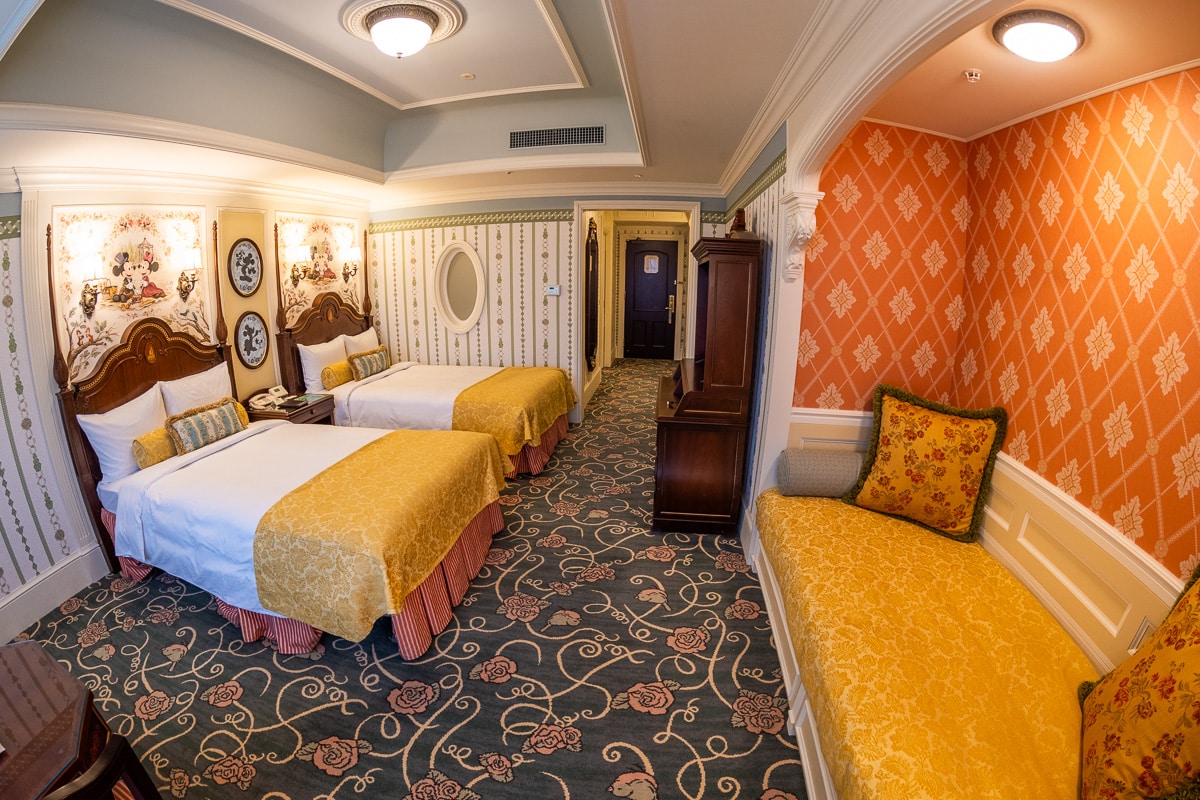
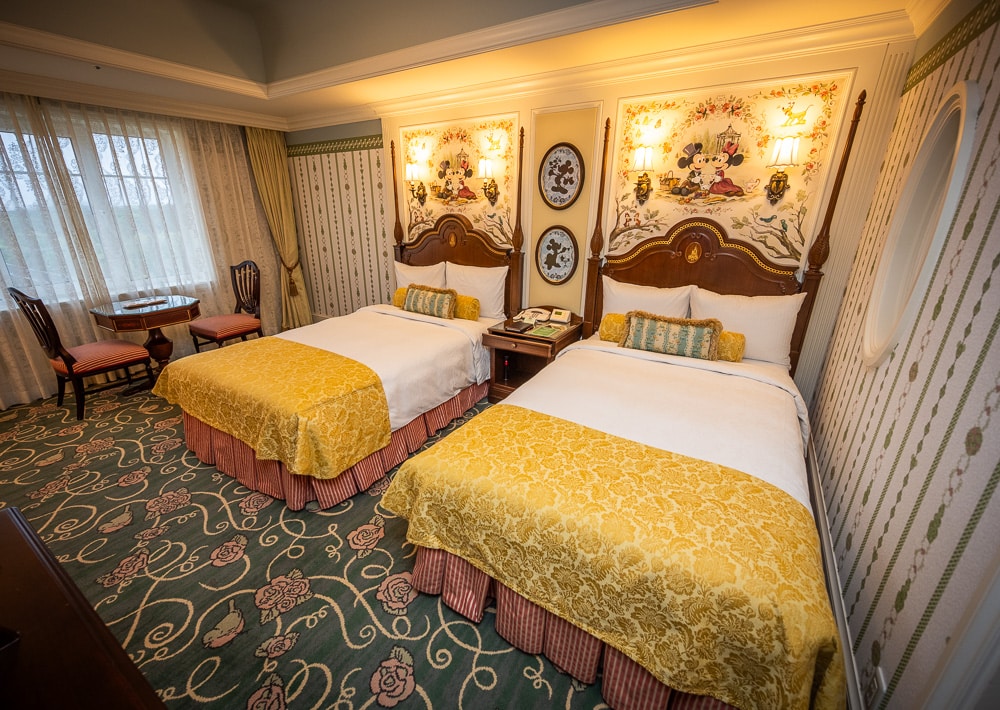
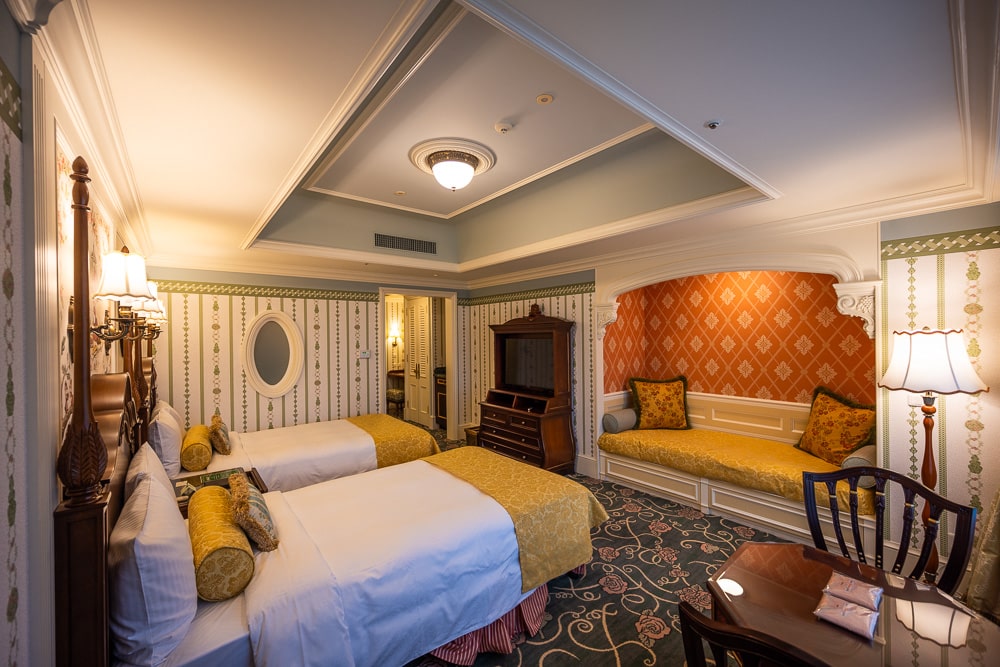
I’ll be the first to admit that I’ve been a fan of Walt Disney World’s recent room reimaginings. The current ‘wave’ of innovative accommodations that marry space-saving styles with well-themed ones is well done, and largely an improvement over what they’ve replaced.
These offer an array of upgrades to both the form and function of the rooms, with little of value lost in the process. The new rooms at Boulder Ridge, Bay Lake Tower, Grand Floridian, Animal Kingdom Lodge, Yacht Club, Port Orleans, and even the Value Resorts are upgrades over what came before. They haven’t all been hits, but in general, I think the trajectory of room redos at Walt Disney World is pretty positive.
We’ve shared this sentiment in a number of room reviews and photo tours, and it’s always met with a mix of fan agreement and disagreement. That’s understandable, as style is a matter of personal preference and tastes, and there’s never going to be complete consensus.
It’s also easy to question the degree to which nostalgia and sentimentality cloud objectivity. I’ve said all of this before, so I’m not going to belabor the point. Rather, I’m trying to establish that I’m more receptive to Walt Disney World’s resort room trends than most fans.
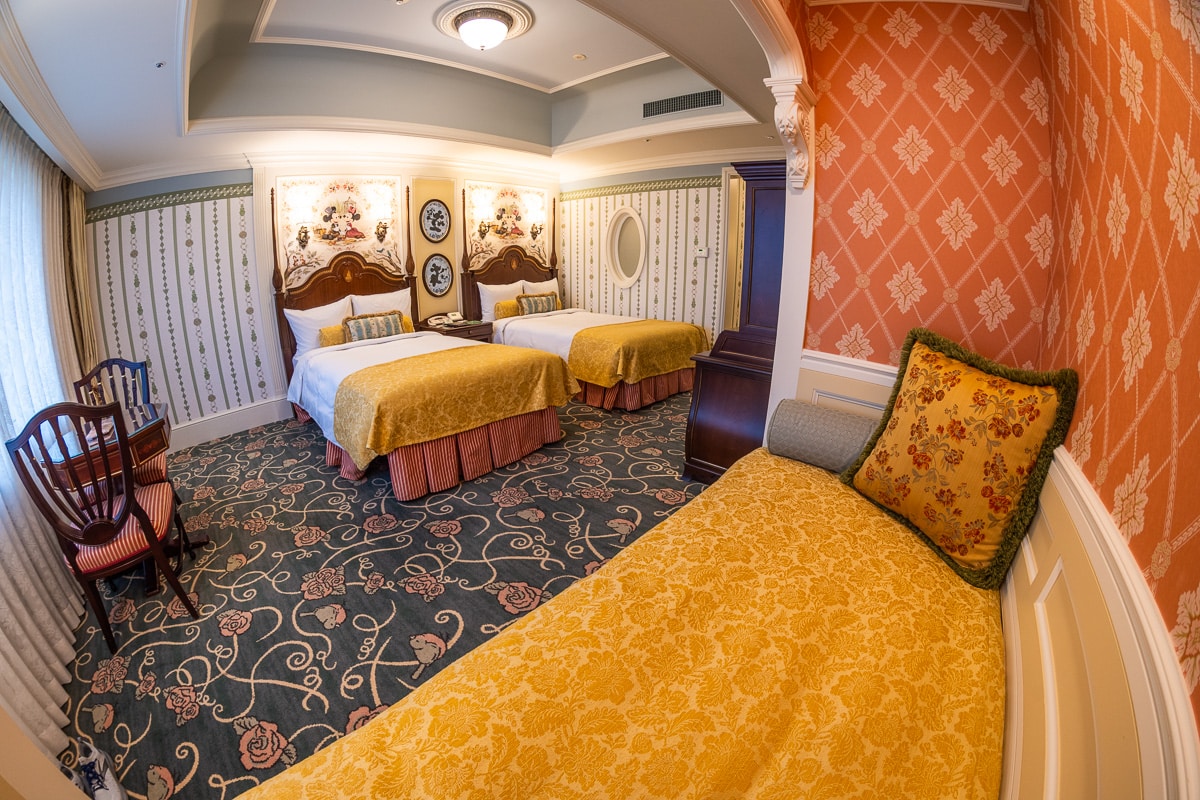
Even so, it’s very easy for me to see a night and day difference between these rooms and recent rooms–even most of the good ones–at Walt Disney World. The attention to detail and little touches are off the charts. From my perspective, these are exactly what Disney should be delivering.
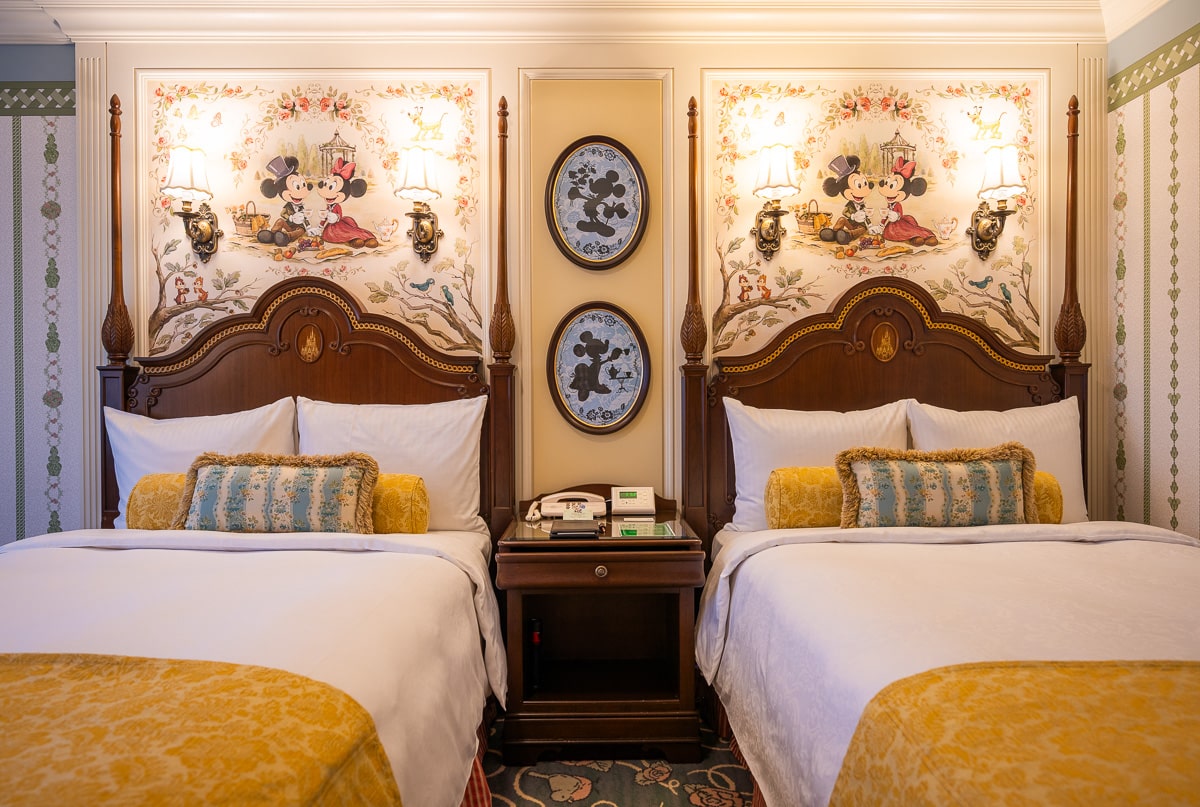
Rooms that marry theme and luxury, going above and beyond with “no notes” designs. Everything is just so thoughtful and purposeful, with features and flourishes that surprise and delight. Like I said, they speak for themselves, so I don’t think it’s necessary to dissect every detail (this isn’t intended to be a hotel review, anyway). I honestly can’t even think of much to critique about these rooms.
These rooms at Tokyo Disneyland Hotel clearly demonstrate what Imagineering is capable of doing when their creativity is unleashed. They refute any notion that WDI has lost its touch on highly-themed room redesigns. So…what gives? Why aren’t we getting this at Walt Disney World or Disneyland?
The easiest explanation is that Tokyo Disney Resort is owned and operated not by the Walt Disney Company, but by the Oriental Land Company (OLC). That the latter has higher standards than Disney itself, and that’s reflected in everything. That it’s this different management that gives Walt Disney Imagineering the budget and autonomy to do its best work, and that’s likewise evident in outcomes.
There’s some truth to this, no doubt, but it’s become the default explanation for everything that Tokyo Disney Resort does better. Frankly, I’m not sure it’s always accurate–and sometimes it strikes me as lazy shorthand for “Disney bad, OLC good.”
I could point to countless things that OLC has done poorly–worse than Disney–in the last 5 years. Much of it is easy to overlook when viewing things through the rose-colored glasses of something that’s new. But anyone who visited on even a moderately crowded day during the last couple of years would’ve experienced some of this.
Another explanation is that it’s cultural. Japan places a strong emphasis on respect, cleanliness, being mindful of others’ property–that sort of thing. This becomes very evident when traveling throughout Japan, as examples abound on public transportation and spaces well beyond Disney. There’s far less entitlement, people are more careful and considerate, etc.
Honestly, what comes to my mind often at Tokyo Disney Resort is Imagineers could never do X or Y at Walt Disney World. It just wouldn’t fly. Props within reach of guests in queues would be broken, stolen, or vandalized. Certain materials used in public spaces would be (unintentionally) damaged, unable to withstand the wear and tear to which Americans would subject them.
This isn’t meant to be a value judgment. It’s just a straightforward statement that different cultures are…different. And to the extent that it inadvertently is, I’d add that although there are things I love about Japanese culture, there are also things that become tedious and annoying with more prolonged exposure. It’s one of those “grass is greener” things at first, but I learned long ago that I’m an American through and through. I’ll just leave it at that.
There are also major demographics differences. Walt Disney World and Disneyland have a lot of longtime fans, but they don’t even hold a candle to Tokyo Disney Resort. These are far and away the most passionate Disney diehards in the world. And just based on the number of hotels, competitiveness, and occupancy rates, I’d hazard a guess that those diehards constitute a larger percentage of hotel guests at TDR than they do WDW.
Among more casual visitors, it seems to me that Japanese guests have a greater desire to fully immerse themselves in all things Disney when visiting Tokyo Disney Resort than do at least some Americans when visiting Walt Disney World. The latter is a rite of passage that many guests undertake out of an almost begrudging sense of obligation to their kids.
Even the infrequent visitor to TDR seems enthusiastic to let loose and allow their inner child to come out. Beyond the scope of this post, but it’s actually quite the contrast to daily life, and it’s readily apparent when crossing between TDR and Tokyo.
There’s likely more interest in highly-themed design among Japanese guests. This strikes me as another bigger picture cultural difference. There are so many places in Japan that are pretty far removed from theme parks, but place a strong emphasis on aesthetics and design. All of the above are the sweeping generalizations of an outsider, but they strike me as directionally accurate based on our extensive time in Japan.
One thing of which I’m more certain is that Walt Disney World diehards and casual guests have different preferences and priorities. Sometimes, these align–but definitely not always. One easy example is resort layouts. Many fans love the sprawling style of Moderate and Value Resorts.
This includes me. There are few things I enjoy more than wandering, exploring, and soaking up atmosphere. It honestly saddens me that more people don’t appreciate this, because this ‘blessing of size’ is so uncommon at real world hotels.
By and large, regular guests hate this. It is one of the most common complaints about these resorts, and has negatively impacted satisfaction scores and the likelihood of revisiting or recommending a particular property. It’s not the only reason, but it’s a big contributing factor in Disney’s decision to consolidate Caribbean Beach and Coronado Springs while adding towers to their grounds. Towers are what guests want.
It’s a similar story with guest rooms. Diehard Walt Disney World fans love thoroughly-themed rooms, with many favoring a ‘more is more’ stylistic sensibility. Many of us want to see transportive themes executed in clever ways; resorts that take us to another time and place are beloved even if “lacking” in-your-face characters.
Casual visitors crave convenience, classiness, and/or luxury. They want the high prices of resort rooms to be reflected in well-appointed accommodations. Disney characters don’t hurt, either. To many of them, “distinctly Disney” means high-quality and intellectual property, not a transportive theme.
These are the conclusions reached when evaluating responses to test room concepts and guest feedback. This is also not to give Disney a pass on everything, hand-waving away any lackluster designs because “they must be what guests want!” I don’t believe that for a second. There are projects at Walt Disney World that have had bad outcomes by almost any reasonable metric.
In fact, one reason why Tokyo Disney Resort and recent additions resonate so much with American Disney fans is because menu planning has been better and investments have been smarter. Meaning that there have been fewer missteps with blowing budgets on underwhelming projects.
Instead, OLC has spent carefully, building blockbuster new attractions that fans love, with less waste and fewer flops along the way. This primarily concerns the expansion in the parks, as opposed to the hotels, so it’s a bit beyond the scope of this post.
As noted above, this post is not intended to be a review of Tokyo Disneyland Hotel. Nevertheless, if you’ve made it this far and want planning advice, we’ll offer our enthusiastic endorsement. Our only hesitation about recommending Tokyo Disneyland Hotel too strongly is that staying here presumably comes at the expense of staying elsewhere, and Hotel MiraCosta remains our top pick at TDR. Tokyo Disneyland Hotel is #2, above Fantasy Springs, Toy Story, and Ambassador. (See our Hotel Reviews & Rankings Tokyo Disney Resort for more.)
Ultimately, that’s where I come down on Tokyo Disneyland Hotel, along with debates about resort reimaginings and redesign trends at the resorts. While I’m more positive on Walt Disney World’s recently-redone rooms than many other fans, I also recognize that they still fall short of the thematic high bar of the rooms at Tokyo Disneyland Hotel (along with Hotel MiraCosta, Fantasy Springs Hotel, and Toy Story Hotel, for that matter).
I do wonder whether the average Walt Disney World guest (so not anyone reading this–we aren’t average!) would love or loathe these rooms at Tokyo Disneyland Hotel. Test rooms and surveys reinforce that Walt Disney World is largely giving guests what they want…but that’s only to the extent of what they’re shown.
As with most things at Tokyo Disney Resort, I believe regular Americans would largely love these rooms. After all, people are alike all over and Disney is a fairly universal language! But perhaps I’m wrong, and more people would find these rooms to be “too busy” or “dated” or “garish” or whatever. I don’t think so and hope not, but those types of complaints have been common about highly-themed Walt Disney World rooms in the past.
Disney must be cognizant of guest preferences and industry trends, especially when it comes to comfort, convenience, and functionality. This is especially true given the diverse clientele Walt Disney World serves, from reluctant first-timers to passionate fans to convention guests and more.
However, there are also good reasons why Disney has developed such an ardent fan-following over the decades and Imagineering is a beloved institution, but other firms producing cookie-cutter designs are not household names. Pushing the envelope and giving guests things they never knew they wanted or needed is a key to success, whereas settling for “good enough” is a recipe for similar responses from guests.
Planning a trip to Tokyo Disney Resort? For comprehensive advice, the best place to start is our Tokyo Disneyland & DisneySea Trip Planning Guide! For more specifics, our TDR Hotel Rankings & Reviews page covers accommodations. Our Restaurant Reviews detail where to dine & snack. To save money on tickets or determine which type to buy, read our Tips for Saving Money post. Our What to Pack for Disney post takes a unique look at clever items to take. Venturing elsewhere in Japan? Consult our Ultimate Guide to Kyoto, Japan and City Guide to Tokyo, Japan.
Your Thoughts
What do you think of the standard guest rooms at Tokyo Disneyland Hotel? What about recent resort reimaginings, expansion, and other design projects at Walt Disney World? Is there a clearly good or bad trajectory, or is it more case-by-case with a mix of high and low quality outcomes? Any other thoughts or feedback to add? Do you agree or disagree with our assessment? Any questions we can help you answer? Hearing your feedback—even when you disagree with us—is both interesting to us and helpful to other readers, so please share your thoughts below in the comments!

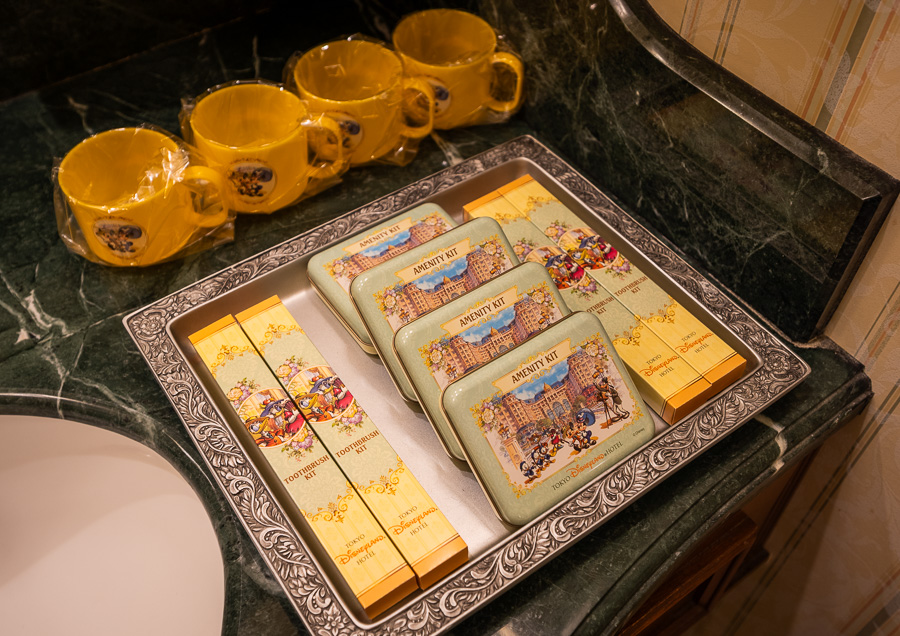
We were there in 2019 and stayed at TDH. Having been WDW Grand Floridian faithful guests, we absolutely loved the Tokyo resort and the rooms! They have the best room amenities (as shown in your pics) and we brought home all we were given. While we love WDW, Tokyo is all of our family’s favorite park in the entire collection. (Yes we’ve been to all of them and the Aulani resort as well). I highly recommend if anyone is near it, it is well worth the trip!
“They have the best room amenities (as shown in your pics) and we brought home all we were given.”
One of my favorite perks of staying at the hotels! We have a collection of over a dozen reusable bags, and a ton of toiletries. It’s fun to provide them to guests who visit us!
This comes at a great time planning our trip for my husband and I and 3 adult children November 2027. We’re so excited to experience what you have written about and we’ve seen. One thing that’s still so daunting is the website to make reservations, it’s overwhelming. I’d like to stay longer but it seems you can only do a 2 or 3 night. It’s scary, I wish there’d be an American travel company that can do this for you.
If it makes you feel any better, I’ve used the reservations website for nearly 15 years, and it’s still daunting to me. It’s both antiquated and competitive, and makes Disney IT look great by comparison. Good luck booking!