
Over 400 Alligators Removed From Disney World in Decade Since Toddler’s Death
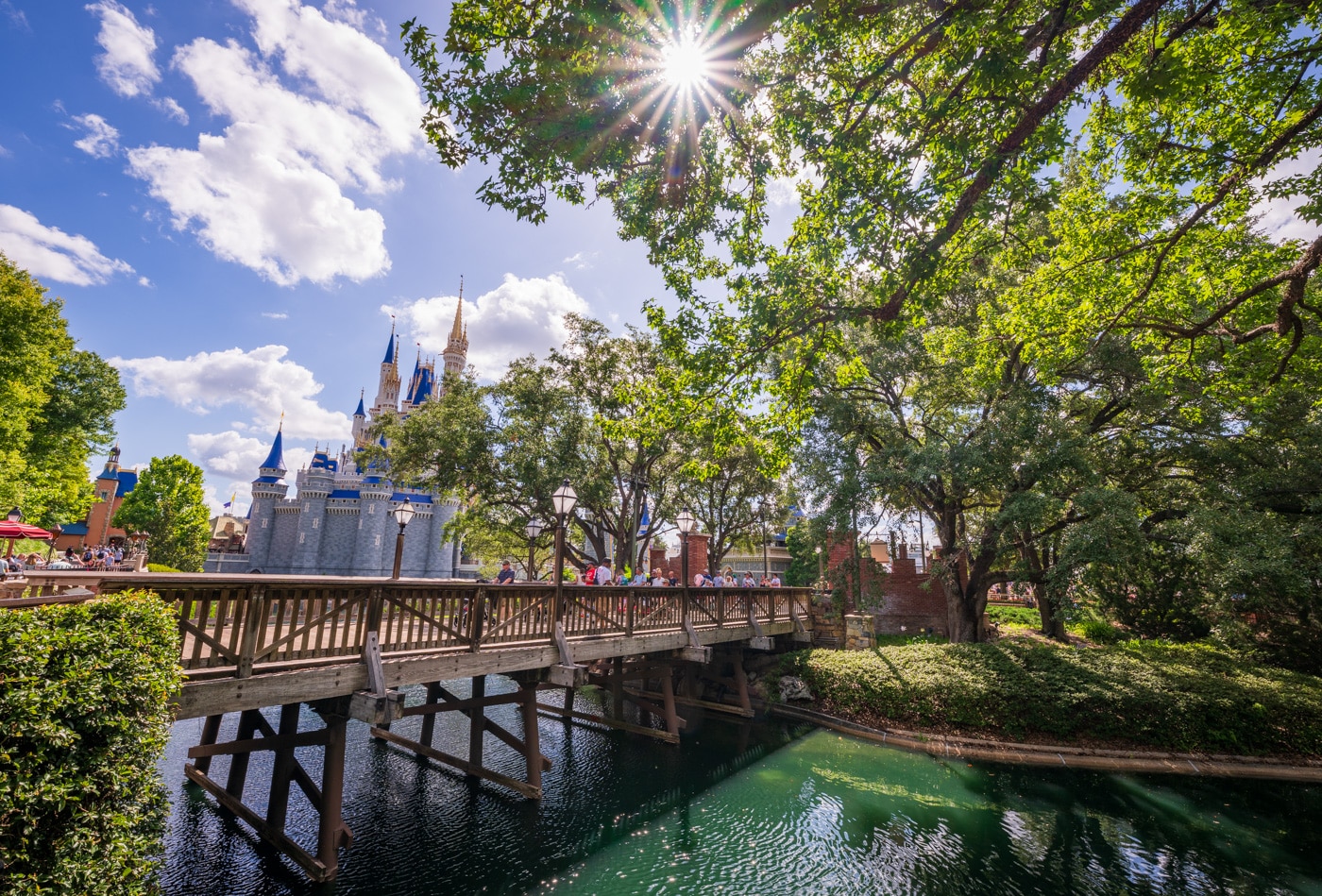
One decade ago this week, a dark cloud was cast over what should have been a joyous occasion. As the Walt Disney Company prepared to open a new flagship castle park in Shanghai, two separate tragedies rocked Central Florida and the Walt Disney World community.
The first occurred in the overnight hours of June 12, 2016. Approximately 300 people were at the Pulse Nightclub in Orlando when just after 2 a.m., a shooter entered the building and murdered 49 victims, wounding 58 others. The FBI concluded the attack was an act of terrorism, the worst on United States soil since September 11, 2001. It also birthed the “Orlando Strong” rallying cry, signifying the resilience, unity, and compassion of the Central Florida community.
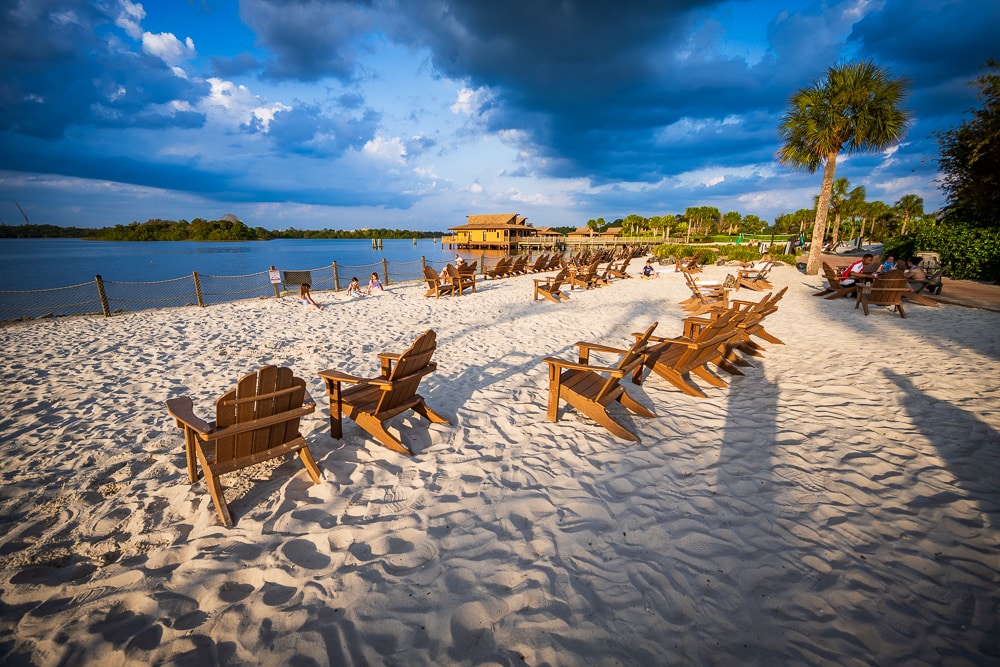
Only a couple of days later, two year old Lane Thomas Graves was building sandcastles on the beach of Disney’s Grand Floridian Resort. At around dusk, an alligator from the Seven Seas Lagoon attacked the boy in an unprovoked, predatory manner consistent with the reptile’s hunting habits. Despite the best efforts of Lane’s father to free him from the alligator’s grasp, the boy was killed by the severe alligator bite to his head.
According to an August 2016 incident report from the Florida Fish and Wildlife Conservation Commission, the alligator prowled the shoreline, administered a crushing bite, and dragged the boy to deeper water. The alligator was believed to have lost its fear of humans by virtue of exposure, since it lived at Walt Disney World and was constantly near large numbers of people.
This was potentially exacerbated by Reedy Creek Emergency Services firefighters who were illegally feeding alligators at a station less than a half-mile from Seven Seas Lagoon, per emails obtained at the time by the Orlando Sentinel. There were also unverified reports at the time that guests staying at the Bora Bora Bungalows at the Polynesian had likewise been illegally feeding alligators from villas.
In the aftermath of the alligator attack, Walt Disney World quickly made countless operational changes. This included several temporary moves undertaken out of sensitivity that have since been rolled back, such as the removal of certain Audio Animatronics and figures in attractions, as well as Louis from the Princess and the Frog in stage shows.
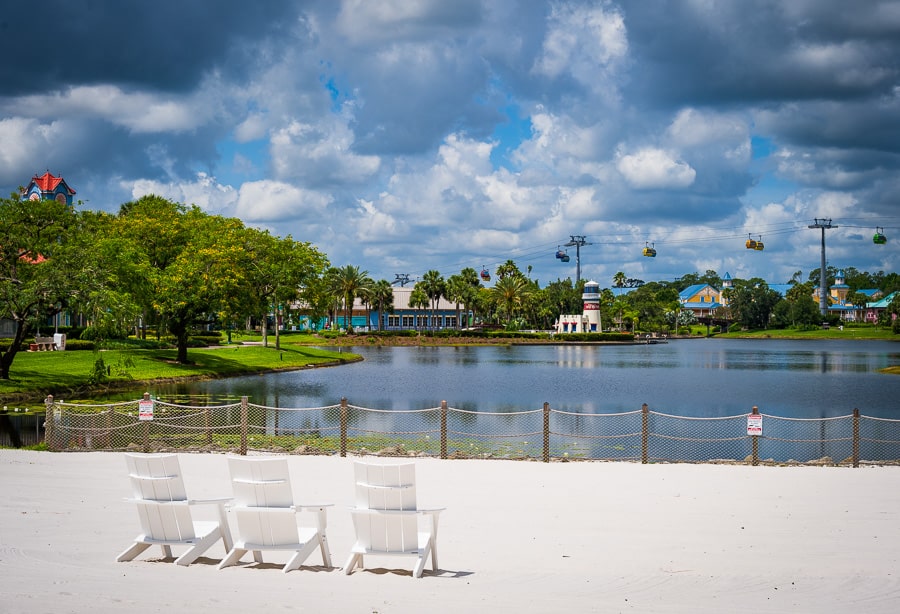
The most visible and enduring change came to all shorelines, with fences erected and boundary rocks added to keep guests out of the water. Basic “no swimming” signs were replaced with “danger” signs warning of alligators and snakes, while also instructing guests to stay away from and not feed wildlife.
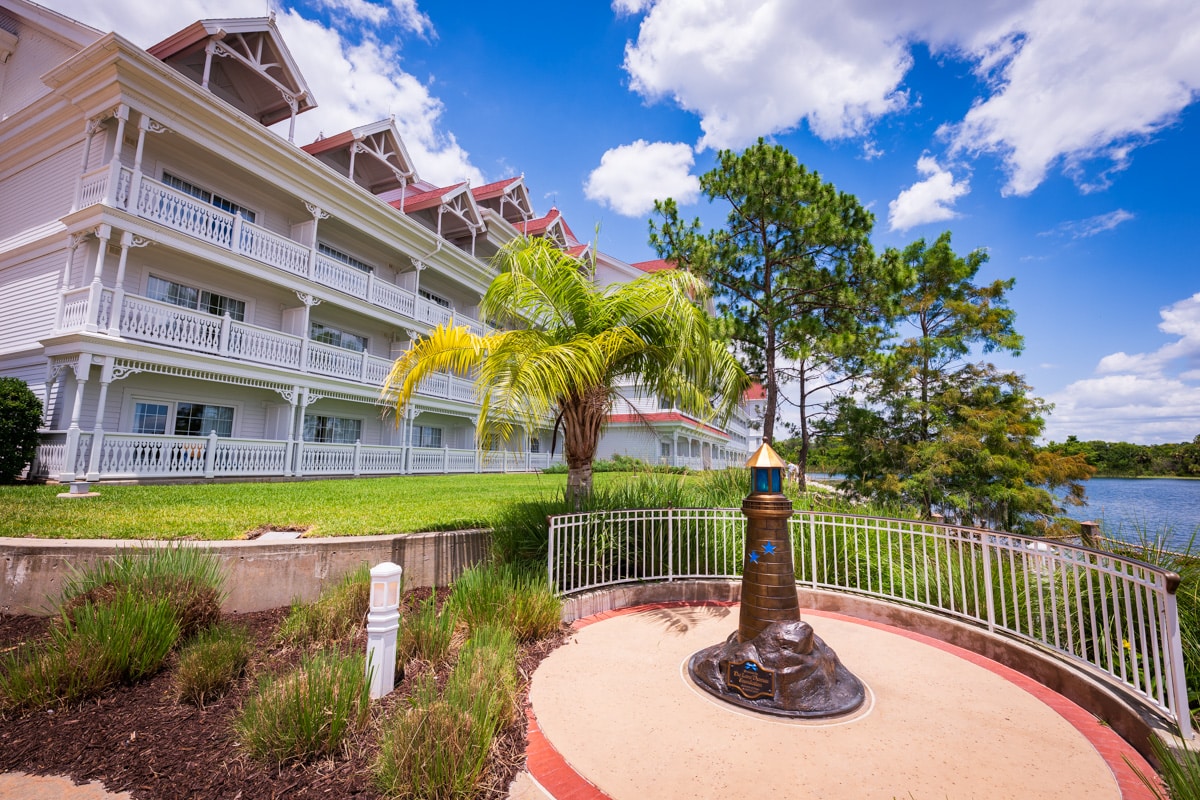
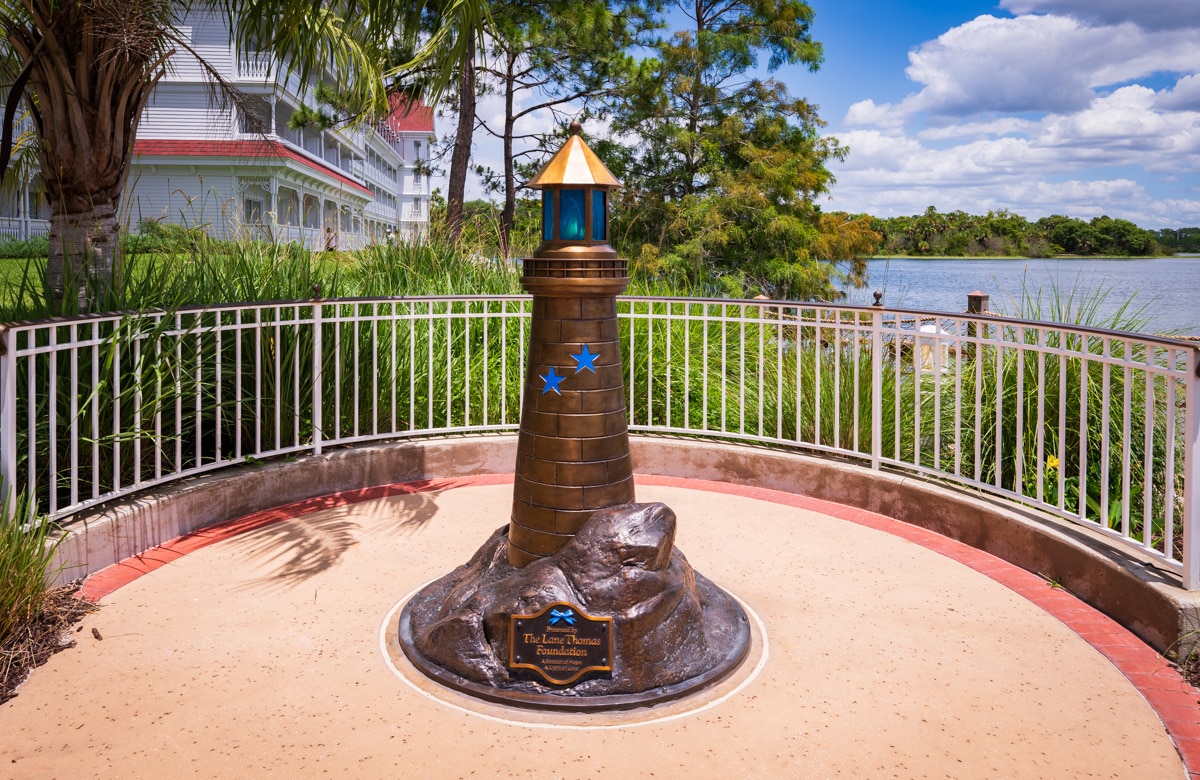
Almost one year later, on August 7, 2017, Walt Disney World installed a lighthouse at the Grand Floridian beach (near the fire pit) as a memorial presented by the Lane Thomas Foundation, an organization founded by the boy’s parents to support families of children needing life-saving implants. A plaque on the statue reads, “A Beacon of Hope – A Light of Love.” The lighthouse statue is still standing at the Grand Floridian today; the photo above is from last week.
I cannot fathom being in the shoes of Lane’s parents in any sense. What happened on the beach of the Grand Floridian a decade ago is awful and heartbreaking; it’s a tragedy that probably still weighs on them every day. Kudos to them for taking the sourest lemon that life has to offer and turning it into something resembling lemonade.
There has not been another alligator attack at Walt Disney World in the decade since following these remedial measures. However, there also was not an alligator attack in the 45 years prior to their installation. In the nearly 55 years that Walt Disney World has been open, there has been just that one incident.
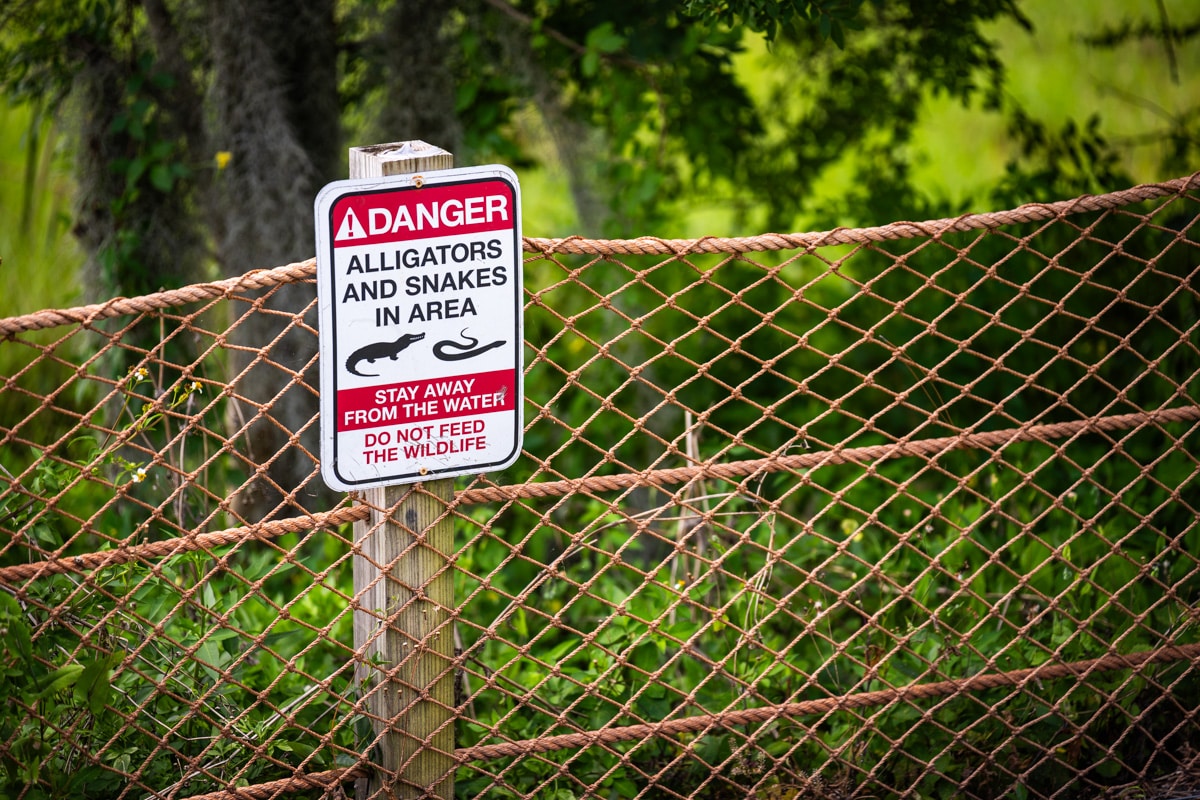
Walt Disney World and Florida have also undertaken ongoing, invisible measures to mitigate risk.
In the decade since, wildlife trappers have captured and removed at least 414 nuisance alligators from Walt Disney World property, according to records from the Florida Fish and Wildlife Conservation Commission (FWC) obtained by CBS News 6 Orlando.
Over the eight years prior to the child’s death, state-contracted wildlife trappers removed an average of 23 alligators from Disney property. By contrast, 83 alligators were removed from Walt Disney World in just 2016 (there is no breakdown of before versus after the incident). The following year, 57 alligators were captured.
From 2018 to 2025, the number decreased to an average of 36 alligators removed from Walt Disney World property annually. At least one-dozen were captured in the first four months of this year. The gradual decrease is presumably due to wildlife trappers removing the biggest and most visible offenders in the period immediately after the incident.
“In keeping with our strong commitment to safety, we continue to reinforce procedures related to reporting sightings and interactions with wildlife, and work closely with Florida Fish and Wildlife Conservation Commission to remove or relocate certain wildlife from our property in accordance with state regulations,” a Walt Disney World spokesperson told CBS News 6 in 2021 in response to questions about the ongoing alligator removals.
To address complaints about potentially dangerous alligators, the FWC administers the Statewide Nuisance Alligator Program (SNAP). According to its website, the goal of SNAP is to proactively address alligator threats in developed areas, while conserving alligators in areas where they naturally occur.
An alligator is deemed a “nuisance” under SNAP if it is at least 4 feet in length and believed to pose a threat to people, pets or property. There are also situations when smaller alligators wind up in places that are not acceptable, such as swimming pools, garages, etc., and must be removed. When someone concerned about an alligator in any of these situations calls the Nuisance Alligator Hotline at 866-FWC-GATOR (866-392-4286), the FWC dispatches one of its contracted nuisance alligator trappers to resolve the situation.
More than 8,700 nuisance alligators were captured statewide under the program in 2024 per FWC.
SNAP pays contracted nuisance alligator trappers throughout the state to remove alligators from locations where they are unwanted. The amount per gator is reportedly $50, which strikes me as a very low number given the effort involved.
Complainants must be able to grant legal access to the property on which the alligator is located. SNAP does not permit the removal of nuisance alligators without first obtaining permission from the property owner or management authority. In this case, that would mean Walt Disney World management as opposed to guests.

According to FWC, SNAP typically does not involve relocation of alligators, which is due in part to Florida having a healthy and stable population of approximately 1.3 million alligators. Alligators live in all 67 counties, and they inhabit all wild areas of Florida that can support them.
Moreover, relocated alligators often return to their capture site, creating problems along the way. If released in remote areas, there would be fighting among alligators and death due to established social structures.
Some alligators captured under the state program are sold to animal exhibits or zoos. Other alligators, including some of those captured at Walt Disney World, are transferred to licensed alligator farms and private hunting preserves. The $50 stipend per alligator now seems more reasonable in light of this, as the reptile presumably has resale value to the farms or preserves.
“We received them all alive and they are released on our hunting preserve where our clients can hunt them. Then they are processed for eating,” said Ian Hall, owner of Florida Hunting, Fishing & Outdoor Adventures in Okeechobee told CBS News 6.
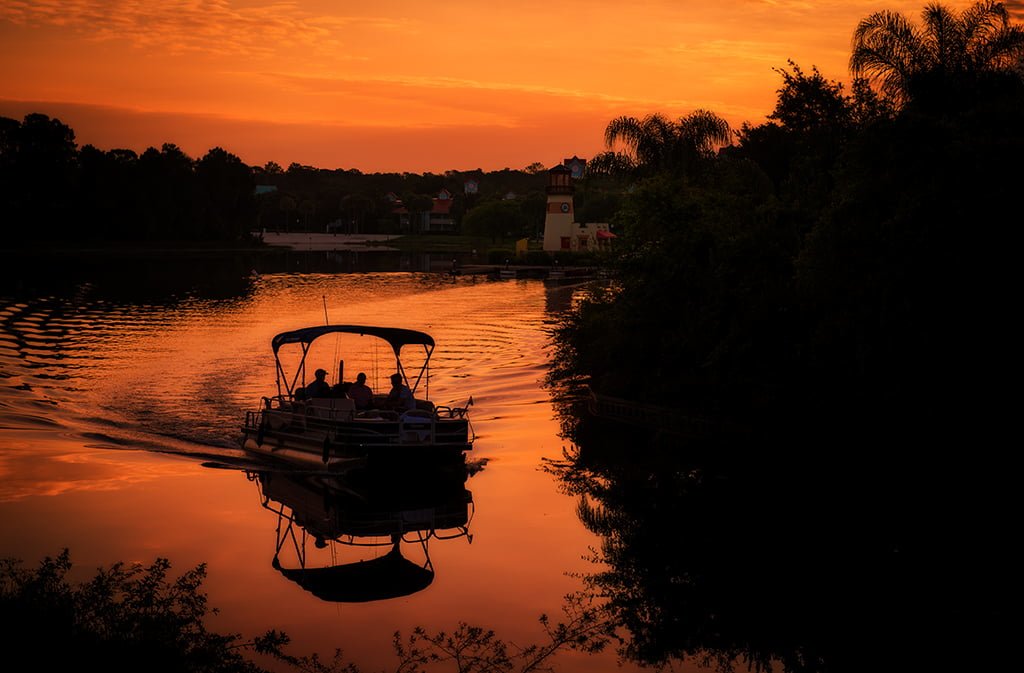
As a parent to a toddler, horror stories like this keep me up at night. This type of tragedy is gruesome and paints a vivid mental picture. But it’s also worth taking a step back and acknowledge the objective reality, however difficult that might be, that this is an exceedingly rare occurrence.
Over the last 10 years, Florida has averaged 8 unprovoked bites per year that are serious enough to require professional medical treatment. The frequency of these serious bites is variable but there has not been a significant trend in the past 10 years.
The likelihood of a Florida resident being seriously injured during an unprovoked alligator incident in Florida is roughly only one in 3.1 million per the FWC. From 1948 to 2022, 453 unprovoked bite incidents have occurred in Florida, 26 of these bites resulted in human fatalities. In the improbable event of attack, the survival rate is 96%. Suffice to say, if you are not alligator wrangling, your chances of a fatal alligator attack are close to zero.

That puts alligators behind lightning strikes in risk factor. You’re more likely to die of heart disease–by orders of magnitude–than all of the improbable causes of death people tend to fear.
Statistically, homicide, bus accidents, heat stroke, West Nile virus, drowning, malaria, and literally hundreds of other causes of death are far more likely in Florida than alligator attacks. In terms of animals, specifically, the most feared animals (like sharks and bears) are actually the most unlikely killers. Cows, spiders, bees, and snakes are all leading killers among animals. Even a fatal whitetail deer (also found on property at Walt Disney World) encounter is more likely, either in the form of a car collision or unprovoked attack. In fact, you are far more likely to crash your vehicle into an animal than be attacked by one (excluding insects).
I can understand why the alligator incident resonated so much with parents. It’s a heart-wrenching story with lurid detail, ghastly imagery, and a sense of helplessness. Many parents can imagine themselves in the shoes of Lane’s parents. It is scary to envision, provokes a emotional response, and plays to our deepest fears.
Ultimately, it’s good to see Walt Disney World place an increased emphasis on alligator removal following the deadly attack a decade ago. Likewise, discouraging guests and firefighters from feeding wildlife was a welcome mitigation measure.
I certainly can’t fault Disney for acting swiftly and installing all of the fences and rock perimeters along the shoreline, even as ugly as that is. After the second tragedy in the span of a week a decade ago in June 2016, it made sense to err on the side of caution and reassure apprehensive guests that it was still safe to visit Central Florida and Walt Disney World.
Those measures might move the needle a little bit, but the objective reality remains that alligators do not pose a significant threat to guests of Walt Disney World. Despite their nefarious appearance and protruding teeth, they are relatively timid creatures that usually fear humans. And anyone who has lived in Florida can tell you that avoiding alligators would require avoiding all fresh bodies of water in the state, which isn’t exactly realistic.
Planning a Walt Disney World trip? Learn about hotels on our Walt Disney World Hotels Reviews page. For where to eat, read our Walt Disney World Restaurant Reviews. To save money on tickets or determine which type to buy, read our Tips for Saving Money on Walt Disney World Tickets post. Our What to Pack for Disney Trips post takes a unique look at clever items to take. For what to do and when to do it, our Walt Disney World Ride Guides will help. For comprehensive advice, the best place to start is our Walt Disney World Trip Planning Guide for everything you need to know!
Your Thoughts
What do you think of Walt Disney World’s increased alligator removal efforts? Have their mitigation measures since 2016 been appropriate, insufficient, or excessive? Do you agree or disagree with our analysis? Any questions we can help you answer? Hearing your feedback–even when you disagree with us–is both interesting to us and helpful to other readers, so please share your thoughts below in the comments!




I have a 2005 picture of my 7 year old son standing next to a “do not swim” sign on that very Grand Floridian beach. Gives me the chills looking at it these 20 years later. in 2021 we were in the POFQ boat docked as it loaded people in and saw an alligator swimming next to the boat just a foot or two away. More reason to stay out of the water.