
Ultimate Disney Parks Photography Guide

Looking for the best camera or lenses, tips for taking great photos or to improve your photography? This guide offers tutorials to take better photos in a variety of scenes at Walt Disney World, Disneyland, and beyond! (Updated July 17, 2024.)
These tips will help you take better photos of Disney fireworks, dark rides, Cinderella Castle, and much more that’s specific to the parks. However, the first thing you should do is learn the basics of photography. For this, I highly recommend a copy of UnderstandingExposure, which covers the technical side of photography. For understanding what makes for an aesthetically pleasing photo, read The Photographer’s Eye, which covers composition.
All of the expensive equipment in the world won’t help you if you haven’t learned the basics, and those two books are the best way to learn the basics and how to take photos that aren’t just snapshots. Books are how I taught myself photography and many others have done the same. Books are a lot cheaper than a new lens, and if you’re a beginner, those will improve your photography more than a new gear. You are better off with an iPhone plus skill and knowledge than a $10,000 camera and cluelessness.
Along those lines, realize that no camera “takes good pictures.” Some cameras can help an adept photographer more than others, but if the person taking the photos doesn’t do things right, photos taken with a fancy camera can look worse than photos taken with an iPhone. Likewise, many experienced photographers can take better photos with an iPhone than inexperienced photographers can with expensive DSLRs on Auto Mode.
This guide will primarily focus on providing you with resources for learning more about photography, so you can really take your photos to the next level. If you’re sitting around at home practicing social distancing or self-quarantining, the good news is that this is the perfect time to learn photography!
It’s surprisingly easy to improve your photography at home, alternating between reading books and practicing with subjects around your house or in your backyard (my #1 subject for testing out new photography techniques is our cat!). Knowledge is so much more important than equipment, and once you learn more about photography, you realize you don’t need to waste additional money on more equipment!
With that update out of the way, let’s continue with a few of my favorite photography books…
Disney Photography Tips
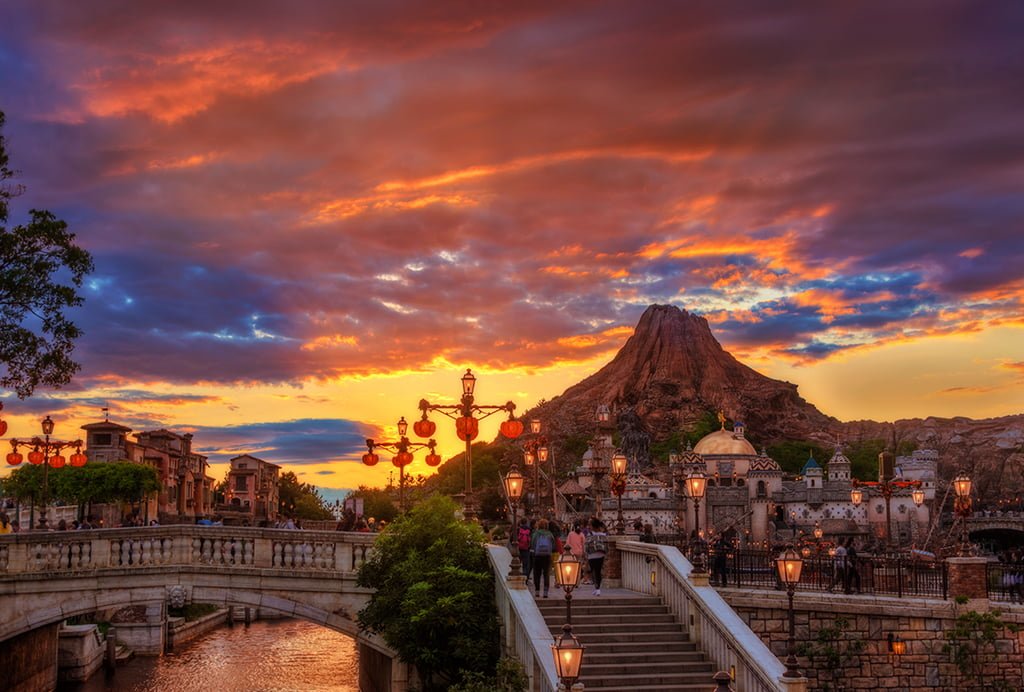
We’ve done a number of blog posts providing tips for improving your photography at Disney. I can’t stress enough that knowledge is the biggest component of taking good photos at Walt Disney World (and beyond!) so you should really read some of the tutorials I’ve written. They have helped a lot of people.
You should read these after you read Understanding Exposure. These guides all assume you have a decent foundation to understand the basics of photography, and you might be confused by these if you don’t know the basics:
- Disney Dark Ride Photography Guide
- How to Photograph Fireworks
- How to Take Great Photos with Your Point & Shoot Camera
- Top 10 Lenses for Disney Parks Photography
- 5 Indispensable Tips for Disney Photography
- Unique Family Photo Ideas at Disney
- Top 10 Tips for Night Photography at Disney
- Tips for Improving Your Photo Composition at Disney
- Tips for HDR Disney Photography
- Best Magic Kingdom Fireworks Spots
- Best Disneyland Fireworks Spots
- Tips for Using Prime Lenses at Disney
- Tips for Using Telephoto Lenses at Disney
- Main Street Electrical Parade Photography Tips
- World of Color Photography Tips
- Fantasmic Photography Tips
- Christmas Photography Tips
- Top 10 Cinderella Castle Photo Spots
- Top 10 Sleeping Beauty Castle Photo Spots
- Neutral Density Filters for Fireworks Photography
This just scratches the surface on the photography guides we’ve written. To read and learn more, browse the photography category of posts on the blog. Once you’ve learned a bit, it might be time to buy some new equipment to help you take better photos. Read on for our buying suggestions…
Cameras
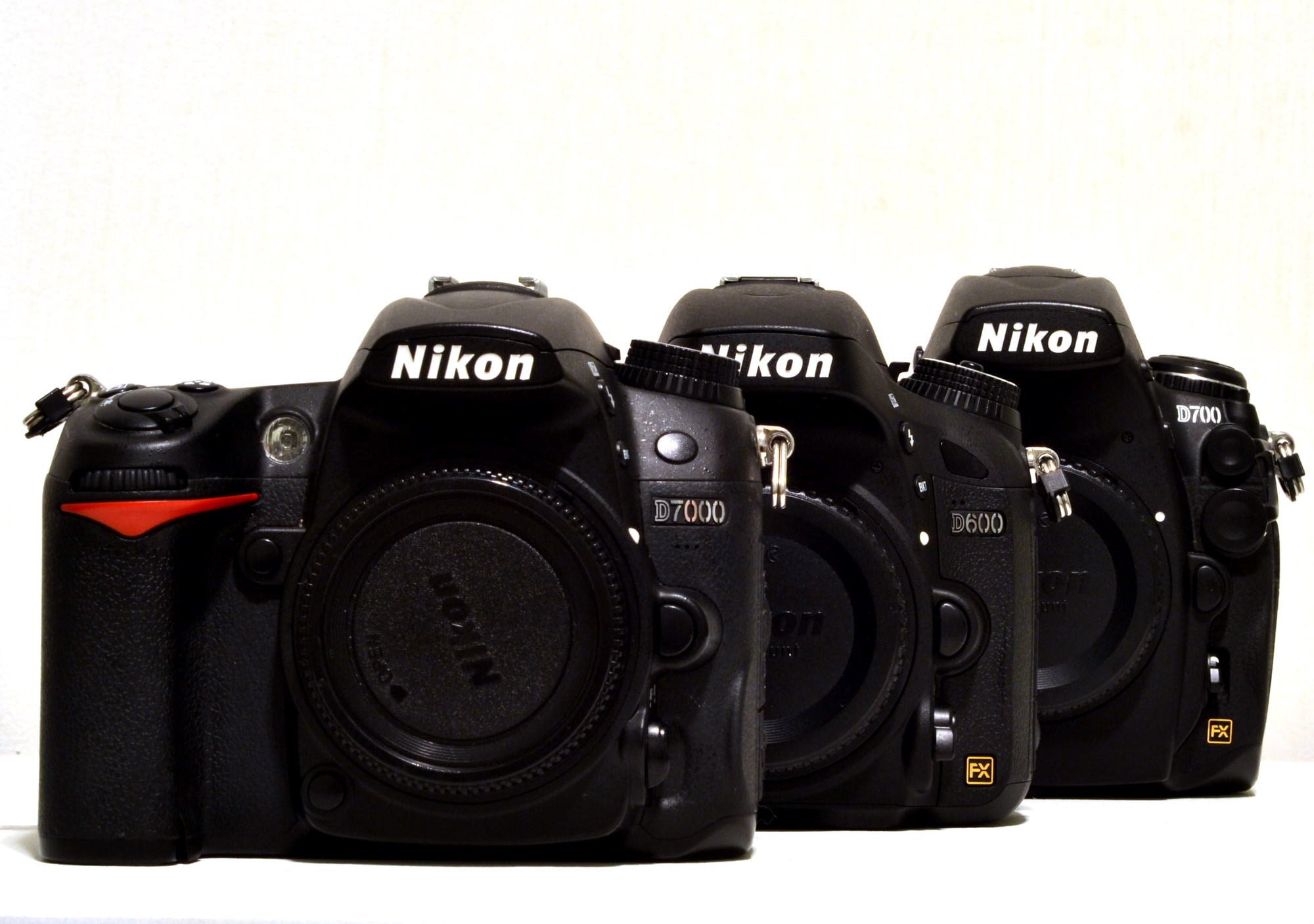
The first thing you need to do is determine which type of camera is right for you. Over the past decade, I’ve tested 20+ cameras and talked with hundreds of beginners who wondered which camera to buy. From that, I’ve learned that the “right” camera for a beginner is almost entirely a matter of personal preference and goals.
For the vast majority of people, modern camera phones are more than capable. Newer models of the iPhone, Samsung Galaxy, Google Pixel–and probably other phones with which I’m unfamiliar–are all fantastic. If you’re simply sharing on social media and don’t have demanding conditions, specific use cases, or need the highest quality, camera phones are probably good enough. They are the right answer for 90% of people, which is a big reason why the camera market is shrinking. I even regularly forgo taking my big camera bag and just use my phone!
Let’s assume that, for whatever reason, you want a dedicated camera. When thinking about which type to buy, you have to think about your intent. Are you primarily interested in capturing quality photos of your family’s memorable moments on vacation? Consider a nice point & shoot. Concerned about camera size and weight? Go point & shoot. Want an starter camera that will make learning easier? Again, think point & shoot.
We think the Sony RX100 is the best point & shoot camera line on the market. I’ve used multiple different versions of this camera since it launched over a decade ago, and have been wowed by all of them. Unfortunately, Sony hasn’t updated this line in a few years and the RX100 VII is still really expensive despite that. You might be able to pick up a used or older model cheaper–and I’d recommend considering that. Mine is still going strong 5 years later.
Another alternative would be opting for the Sony ZV-1, which is a newer camera that costs less than half the price of the Rx100 VII. It’s marketed at vloggers, meaning that it’s also very capable of video. As someone who exclusively does photography, this isn’t a selling point for me. But it’s fairly undeniable that the Sony ZV-1 offers better bang for buck, and is a nice upgrade from iPhone quality photos and videos.
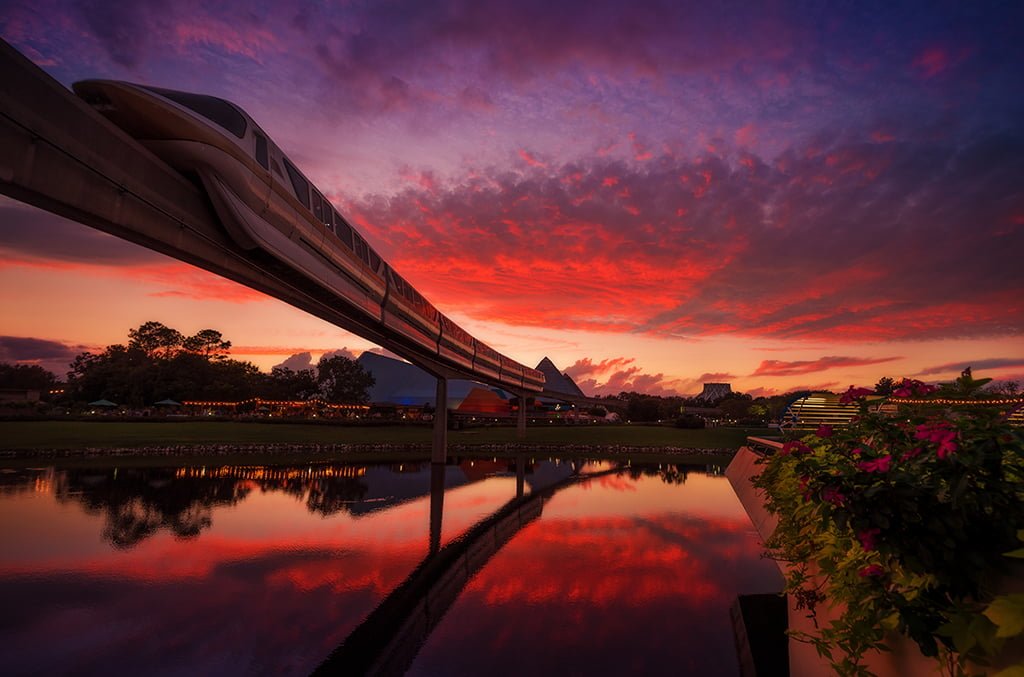
Everything above that is either going to be a DSLR (if you’re old school) or a mirrorless camera. My two main cameras now are the Nikon Z7 II full frame mirrorless camera and Nikon D850 DSLR. Both of these are pro grade cameras that offer unparalleled performance. They’re not cheap, and are only recommended for those who are truly serious about photography and have unmet needs by lower-tier cameras. I would not recommend anyone learning photography purchase either of these.
Honestly, I’m not sure which entry-level “big” cameras I would recommend at this point. My camera testing and reviewing days are behind me, and I’ve been so satisfied with the Nikon D850 and then the Nikon Z7 II that I haven’t bounced around trying other cameras in the last ~5 years. Consequently, I’ve become a bit out of touch with entry level models and what Canon, Nikon, Sony, and other brands are doing to innovate.
If you want look at the equipment I currently carry, check out What’s In My Camera Bag for 2024. That’s going to be the best resource if you’re interested in going with a full frame Nikon mirrorless camera and are wondering which lenses to purchase.
Ultimately, which of these cameras you buy depends upon how serious you are about photography. If you’re just getting started, no matter how excited you are about photography, it’s probably smart to not buy anything above an entry level model, no matter how large your budget.
Guide Conclusion
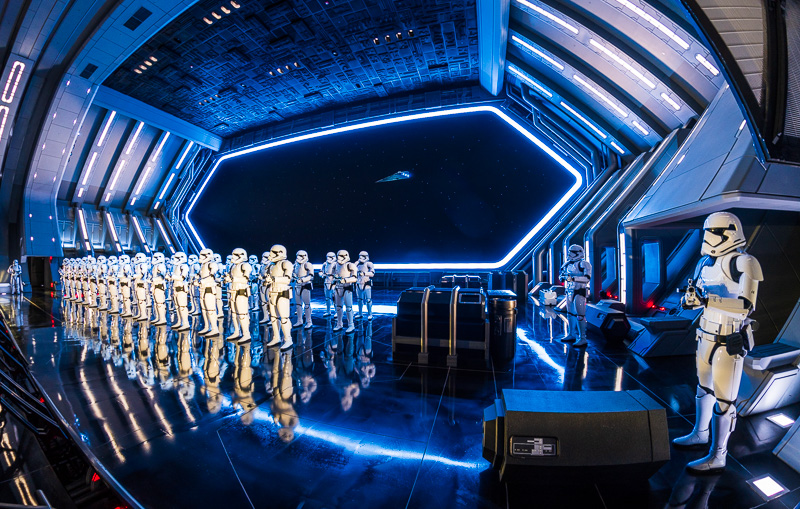
As mentioned above, the vast majority of people just getting started in photography are probably best suited by a high-end point and shoot camera, with my absolute top pick being the Sony RX100. This is a great way to get a taste of serious photography with customizable settings and excellent image quality, but in a compact package. Most people won’t outgrow that camera, but if you do, then look at DSLRs or mirrorless cameras.
If you’ve already decided that a DSLR camera is your best option, you’ll want to think about everything you need to go along with it to really take your photography to the next level. If you’re on a limited budget, start out by making 3 upgrades: 1) tripod, 2) wide angle lens, 3) prime portrait lens or mid-range zoom lens. I’d say these are the 3 best purchases a new photographer of the Disney Parks can make to improve their game.
However, if you really want to take your photography to the next level, gear is not what you need–at least not exclusively. What you need is knowledge. You will never take amazing photos in auto mode. You need to start by getting a copy of Understanding Exposure to learn the fundamentals, and then read more advance books, tutorials, and practice like crazy. Anyone can become great at photography, but you can’t get there just by purchasing fancy toys. 🙂
Finally, a word of warning. Don’t take shortcuts when buying photography equipment. Yes, it’s expensive, but I’ve discovered first-hand that buying photo gear on eBay or Craigslist is a huge risk. You don’t know how the seller took care of their gear, if it’s grey market (meaning US manufacturers won’t service it if there’s a problem), or what problems may come up down the road. You also don’t save that much over buying new. Finally, you don’t get a warranty. Things do go wrong with cameras, seemingly inexplicably, and it would really stink for that $1,000 investment to break with no recourse for you.
We’re Amazon Prime members, so we almost always order from Amazon.com
, B&H Photo, or Abes of Maine, but I generally avoid all other online photo retailers (I STRONGLY recommend avoiding J&R Cameras due to two negative experiences I’ve had with them). By the way, if you are considering a purchase of any photography equipment, lenses, or anything else for that matter we would greatly appreciate it if you use the links in this post to make your purchase. It benefits the site, doesn’t cost you a dime, and helps us to keep providing you with useful(?) content!
Your Thoughts
What have you found helped improve your photography? Have other photography tips of your own to add? Other gear recommendations? If you have questions, please leave them in the comments below and I’ll try my best to help!
Hi Tom (and Sarah),
Love, really love, tour website! I just tool your survey (more hippos, just kidding).
I’m a Nikon shooter (D300) and have a handful of lenses that I’ve been packing around for years. More recently, I’ve been getting tired of packing the load around with me. Last week I had delivered a new Sony NEX-5n camera with a 16mm & an 18-55 lens. My theory is that i’ve still got the Nikon D300 sized APS-C sensor but in a tiny package to pack around with me.
My first results have pleased me – sharp, nice high resolution, excellent low light.
Any thoughts or experience?
John
I’ve heard great things about the NEX-5, but have never actually used one. Glad to hear you like it!
Tom,
I was wondering what made you decide to get rid of the Canon after only a week and switch to Nikon?
I’m looking at some cameras on the $550-650 range and Canon and Nikon are both in there. A friend has the Canon T1i which I am about to borrow for a night to test out if I like it, and I was just wondering what about the Canon XTi you didn’t like.
Just received my Bower 8mm f/3.5 Manual Focus Fisheye Lens I purchased after reading some of the post about it. Have to say it is one of the most fun lenses I have ever shot with. I’ve only had it a few days and I am so anxious to use it more, I hate even seeing it sit in the camera bag. Didn’t think a little $250 “creative” lens would push aside my go to Canon 24-70 2.8L, but it looks like it may be the case for a while. Thanks for the great tip. Now the real test will be during my December Christmas trip!
I am frequently to blogging and i genuinely appreciate your content. The article has truly peaks my interest. I’m going to bookmark your website and preserve checking for new info.
Great review! Also, thanks for the Abes of Maine link. I used your link to buy a Canon 7D body and a Canon EF-S 17-55mm f2.8 IS lens and saved some pretty decent money. Now ia the hard part, waiting for it to arrive.
After reading your review of the Sigma 30, I’m excited to pick one of those up as well. I want to experiment with the 17-55 first.
Hope you enjoy the new camera and lens–the Sigma 30 is also awesome!
Well, I couldn’t wait to get the Sigma 30. After playing with this lens for only one day, I am stoked. What an incredible lens. Thanks for the recommendation!
It’s an awesome, awesome lens. I’m sure you’ll love it!
This blog is really great!
I have learned a lot by reading your contents and also with the others who posted their comments here. Let me also share you some good thoughts about my Nikkon 35mm f/1.8G AF-S DX Lens.
Hey Tom,
Love Love Love your posts and pictures. Am looking to get my first DSLR camera. I have read your reviews and know how much Sarah loves her Nikon D3100. I have thought about getting that, but I have also looked at Canon EOS Digital Rebel TS and a couple of Fuji’s and Panasonics. Do you still think that the Nikon D3100 is the best out of those brands for my first one? I am eager to make my purchase, because I have only been using a point and shoot on my Disney trips and it’s not cutting it anymore. I can hardly get any decent night time pictures with it. Especially of the castle. I always try to get all the different colors that it changes and they never come out, you can barely even see the castle. I know I won’t be able to get the quality of your pictures but I’m just looking to start getting better shots. I really value your opinion. Thanks!
Do you mean the Canon T1i, T2i, T3i line? I’ve never heard of Canon TS. I would stick with Canon or Nikon, they are the market leaders for a reason.
Hey Tom. Love your posts. Any experience with the Tamron AF 70-300mm f/4.0-5.6 Di LD Macro Zoom Lens with Built In Motor for Nikon Digital SLR . Looking for a new lens for our D40. Keep the great posts coming.
I’ve never personally touched that lens, but I’ve heard OKAY things about it. I personally wouldn’t buy it based on what I’ve read about it, but that’s just me. The 200-300mm range doesn’t do a whole lot for me, so I’d rather just get the Nikon 55-200mm VR if I were on a budget. The VR is more important than the 200-300mm in my opinion.
Tom, have you ever played with a 35mm lens? As much as I would LOVE to purchase the sigma 30mm I can’t seem to stay under my budget so I looked into the 35mm lens. Will this lens fair in dark rides (low light) as weel as the 30mm?
When I search for opinions on the lenses, I mostly get 30mm and 50mm discussions coming up. Any info would be greatly appreciated.
Check out my full lens review guide: https://www.disneytouristblog.com/disney-buying-guides/bricker-photo-gear-recommendations/camera-lens-buying-guide/
There’s nothing wrong with the 35, but the 30 is definitely better for dark rides because it’s wider and faster. Wider is more of a big deal, in my opinion, given the proximity of sets from the ride vehicles. Hope that helps!
Tom,
I’ve noticed on some of your pictures that you have a great collection of Mickey camera straps, do you mind if i ask where you are finding those?
I read you Club 33 review and found it very interesting and really loved your photo’s I truely believe in the Brian Peterson book on exposure. Many years ago I went to Brooks Institute and then cinematography school but found out I could not make a decent living being a photographer.
I still use a Hass 550c/m for those pictures I want to keep and had tried using a Nikon D5000 but really have not progressed very well. Very rarely have time in a day to PP, it actually takes more time for using PP software then to get a excellent photo from my Hass.
Thanks so much for sharing you excellent pictures. Would love to see some of your work enlarged.
Thanks again,
Blackjackdelta
Thanks! I’ve refined my post processing work-flow so most of the time it’s only 10-30 seconds or so per photo (or I can just batch process if I don’t feel like spending time on each).
What about editing software? Are you using Photoshop? I just download Gimp but haven’t really tried it out yet. Seems to be similar to Photoshop but its free : )
Added a section on software. Thanks!
what about your backpack???
Great question–I’ll add those shortly!
thanks TB!
What a helpful post–I have a D40 with the 18-55mm kit lens, a 55-200mm lens, and a 35mm f1.8 lens (which I got after reading about prime lens day on WDW photography). I have been looking to upgrade my tripod (which works great for family group shots, but which is a pain to carry anywhere farther than the car), and to get an external flash. This post has been great help with that. I was wondering if you could help with software. I have photoshop and play around with it a little (usually more to the line of effects like making a photo b&w, using the clone tool to heal things, or doing selective coloration, than actually adjusting levels). Is there any reason to get lightroom too?
If you have Photoshop, you have a program called Adobe Camera Raw. I recommend just using that instead of Lightroom. A lot of people swear by LR, but I think it’s sort of a waste of money if you have Camera Raw. Your mileage may vary.
I have been so confused on what to do here recently. I want to upgrade my camera (currently have canon 40d) I’ve been torn, do I get the nikon d7000, or nikon d5100 and just change the lens? Perhaps to the 30mm you suggested. I mainly photograph my kids and for travel. I don’t want to change lenses all the time either. Any suggestions to help push me in the direction I’m looking for?
First, let me say that the Canon 40D, despite being a bit old in the tooth, is a great camera. The D7000 would be an upgrade from it, but the D5100 would only be an upgrade in technology (button and feature-wise, the 40D might best it).
If money is an issue, I would recommend going with the D5100 kit and getting the 30mm (if it’s no issue, get the D7000). If you’re disciplined with it, you can use just the 30mm for most subjects. It’s not good for sports or safaris (since it doesn’t zoom) so you might want to add something like a 55-200mm, too. Hope that helps!
Okay thank you…one last question. If I do decide to go with the d5100 I can only use AF lenses correct? I wouldn’t be able to turn off the auto to focus manualy (something I may want to consider in dark rides yes?) there is no option for this on the 5100. Yes?
Nevermind I just figured out that you can turn it off on the lens itsself…duh 🙂
Thanks for a great post Tom. I’m a big fan of your flickr photostream. I have the D7000, the 28-300 and 50 f/1.8. I was finally able to find the Tokina 11-16 in stock at amazon. This lens was really hard to come by. I can’t wait to try it out when we head out to AKL next month.
Thanks again and keep those great shots coming!
Great post, Tom. I ended up getting the Sigma 30mm from your suggesting it over on WDW Photography, and I’ve been loving it. “Buttery smooth” does not even begin to describe how breathtaking the bokeh on this lens is. It is worth every last penny it costs. I highly, highly, highly recommend it!
I’m glad to hear that you like it. A lot of people overlook that lens in favor of the similar Nikon and Canon models, and that’s a huge mistake. The Sigma, surprisingly, is better by leaps and bounds!
This was so helpful! Thank you!! My son is wanting to save his money that he’s earning this summer to buy a DSLR for a media arts program he’s starting in the fall and this guide will help a lot!
Another great blog, as all your blogs are!
Glad I could help! Like I said in the post, I would highly recommend starting small with the body. If he’s looking at it for artistic purposes, maybe start with the body only (no kit lens) and the Sigma 30mm lens. That will really help him learn composition!
Great information Tom and timely for me since I just purchased the D7000. I’m starting to build up my arsenal of lenses. I have made a couple purchases via Amazon and one via a flickr contact, but would like to purchase more. What would be your vendor of choice? B&H, Amazon, Ebay, et al.?
Sorry, asked and answered. I didn’t catch your last section while reading on my iPhone.
Thanks!
A very timely blog Tom as I am looking at my options regarding a Fisheye lens and funnily enough the Rokinon lens or Samyang as I know it over here was the likely lens of choice. Now its the definite lens of choice.
The only other bit of kit I was/am missing is the external flash but I had earmarked one, Canon Speedlite 270EX and I will have amassed all the shiny gubbins needed by the time Aug 2012 rolls around.
As for my camera body its an old Canon EOS 300d body I have but I am so used to it and comfortable I cannot bear to part with it. It feels like an extension of my arm when I use it.
Anyway, cheers for another great blog
If you like the camera body, and it suits your needs, stick with it. Spend the money on other upgrades!
Hello Tom,
After i read your “Nikon d600 Review” i really like it, give me a lot of idea it helps me a lot but i still have question for you, please help me make decision. Before i waited for Nikon D600 because rumors said the price was &1500 but the real price is &2100 then i decided to get D7000 and Nikkor lens AF-S Dx Micro 40mm f/2.8 2 weeks ago and plant to buy Nikkor 85mm f1.8G lens, until now i am still thinking about D600 yet. Now i had 5 lenses together 3dx and 2ff (1:AF-S DX VR Zom 18-200 VR f/3.5-5.6; 2:DX 55-300mm; 3:Dx micro 40mm; 4:24mm f/2.8; 5: 50mm f1.8 all are nikkor lenses. I still have time to return or exchange for D600. What do you think or suggest? oh taking photo just my hobby. Sorry for my writing because i am not good English enough.
Thank you so much and thanks for your review.
Sam Nosavan.
Do you have any suggestions for graduated neutral density filters? Do the filter holders fit multiple lenses or do you have to buy a holder for each lens?