
Disney Releasing New Imagineering App to Help ‘Break Spell’ of Guests Glued to Phones in Parks
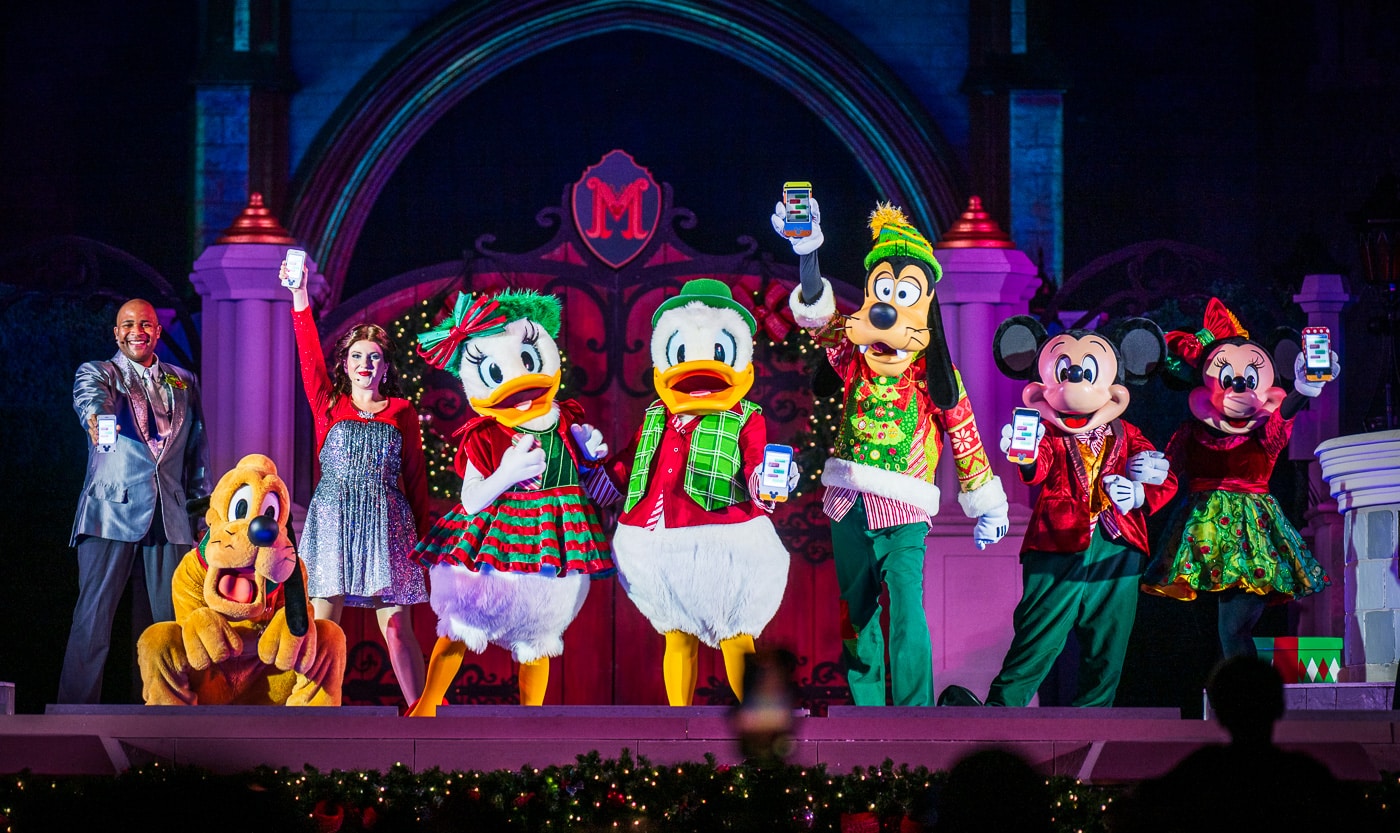
Disney fans have a lot of criticism, and a big one is the excessive amount of screen time that’s practically necessary when visiting the parks. The head of Imagineering agrees with this, revealing last year that one goal was to use emerging technology in new ways to ‘break the spell’ of guests being glued to their phones. We now know one way they’re attempting to remedy this, with a new app that will counterintuitively solve for this with a hands-free, heads-up experience.
As we’ve covered in Top 10 Guest Complaints About Walt Disney World and other roundups of the biggest fan concerns about the parks, one of the top complaints is “too much screen time.” Refreshing for better Lightning Lanes. Mobile Order for counter service restaurants and Merchandise Mobile Checkout to buy stuff. Checking Walk-up Waitlist for new table service availability. Looking at wait times and showtimes. And so on and so forth.
Walt Disney World and Disneyland nudge guests towards spending too much time with their faces buried in their phones. These new features are great in isolation, and benefit the company by improving efficiency and cutting costs. However, the totality of all of this amounts to Disney effectively leaning into its biggest weaknesses (technology and isolation) and away from its strengths (richly themed environments and togetherness).
For years, we’ve said that Disney is too reliant on technology and not enough on tactile experiences. To paraphrase my favorite Walt Disney quote, “it’s people that make the dream a reality.” The best memories are formed as a result of interpersonal moments, and so much emotional resonance is derived from guests connecting with others.
Then, of course, there are the themed environments that Imagineering worked so hard to create. By having their faces buried in their phones while in line or strolling through the park, guests are missing so much of the defining features of the parks. If guests are overlooking that, they’re missing a lot of what separates Walt Disney World and Disneyland from regional parks.
No division within the company should be as keenly aware of this tension as Walt Disney Imagineering. They create both those richly-themed environments and are also the research & development and technology incubator at the company.

Approximately one year ago in the ‘Inside Imagineering Research & Development’ episode of the “We Call it Imagineering” YouTube series, Disney shared an inside look at its internal R&D arm, while highlighting prolific partnerships with tech companies including Nvidia, Google, and Meta.
It was also during that episode that Walt Disney Imagineering President Bruce Vaughn commented on the aforementioned issue, and how phones inhibit the guest experience in the parks. Here’s what he said:
Extended reality is gonna reinforce the shared experience. A big differentiator for us is that you’re there together with friends and family and people that you care about, and every time you look have to look down at a device or a phone, it breaks that spell. If you can use extended reality, I never stop looking at the environment I’m in or at the people I’m with, it’s gonna be less disruptive.
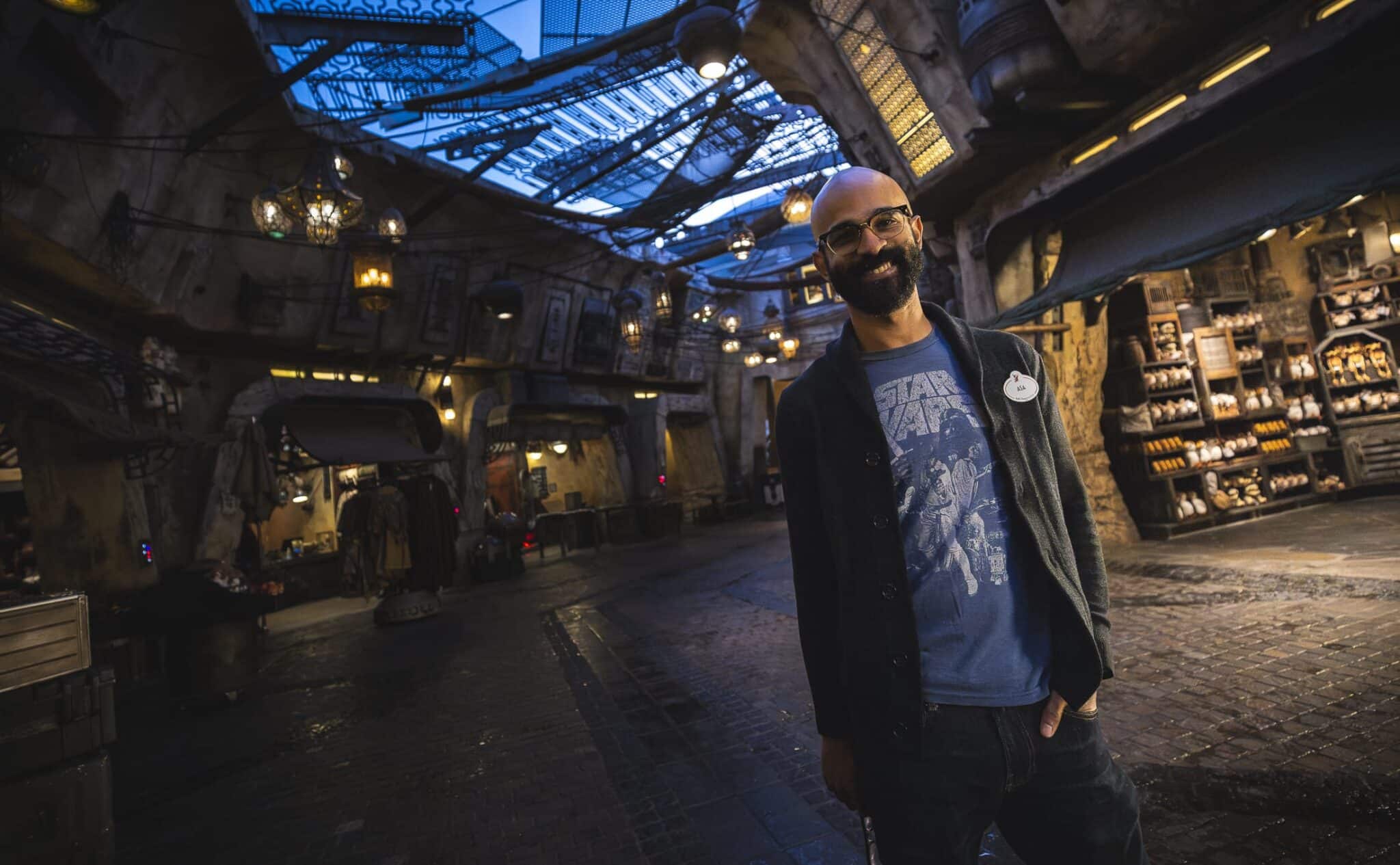
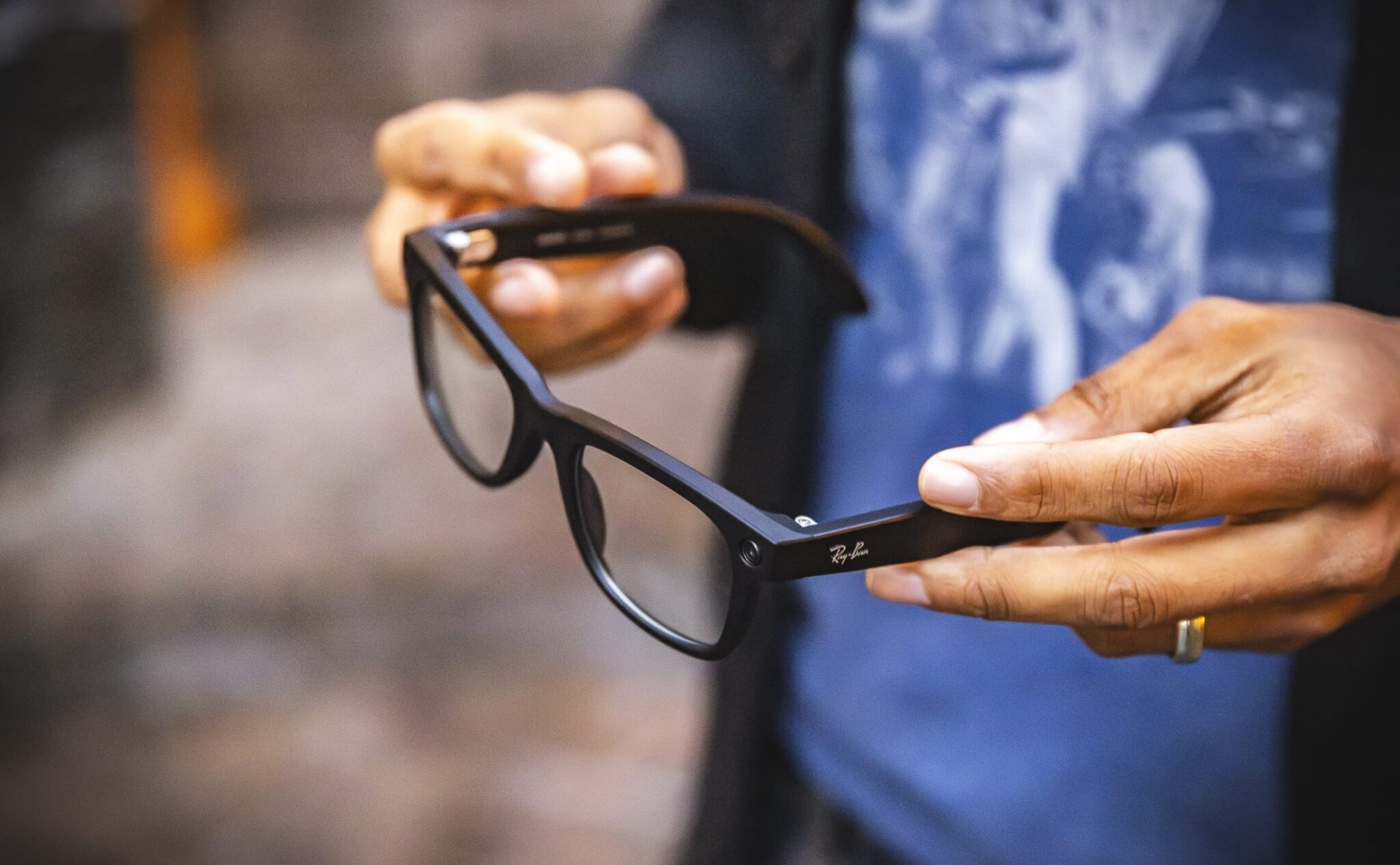
Asa Kalama, Executive Creative Director at Walt Disney Imagineering, spoke about the possibilities of the new partnership with Disney, Meta and Ray-Ban.
We have a really wonderful partnership with Meta to leverage their Ray-Ban smart glasses for both guest-facing applications and also behind the scenes design applications as well. What’s great about these glasses is they’ve got cameras in them, microphones, and speakers. For guests, it allows us to put a virtual theme park guide in their ear.
The glasses can enhance the ways we tell stories for our guests, unlocking a world of information about the land that they’re in. Just by looking around, I can ask questions about some of the architectural details, and I get the answer right in my ear.
Maybe I wanna learn a little bit more about a merchandise item for my child. All I have to do is look at it, ask, “tell me more information about it.” Then, right in my ear, I get all of the product information.
One year later, we’re about to see the first in-park deployment of this initiative via a brand-new app that’ll start to roll out to select guests on November 10, 2026…
The Disney Imagineering Labs app is a new way for guests to not only experience the parks through a different lens, but also help shape the Disney Parks experience for future guests. This app is doing a few different things at once, so let’s break them down.
With the Disney Imagineering Labs app, the company is exploring new ways to play and discover the parks. The app will first roll out with the interactive gameplay of Secrets of the Spire in Star Wars: Galaxy’s Edge, which will soft launch in early access on November 10, 2026 for Disneyland Annual Passholders.
As it was described and shown to me, Secrets of the Spire in Star Wars: Galaxy’s Edge is basically a spiritual successor to the Star Wars Datapad. As covered in “It’s Game Over for the Play Disney Parks App,” the Star Wars Datapad was retired along with that now-defunct app.
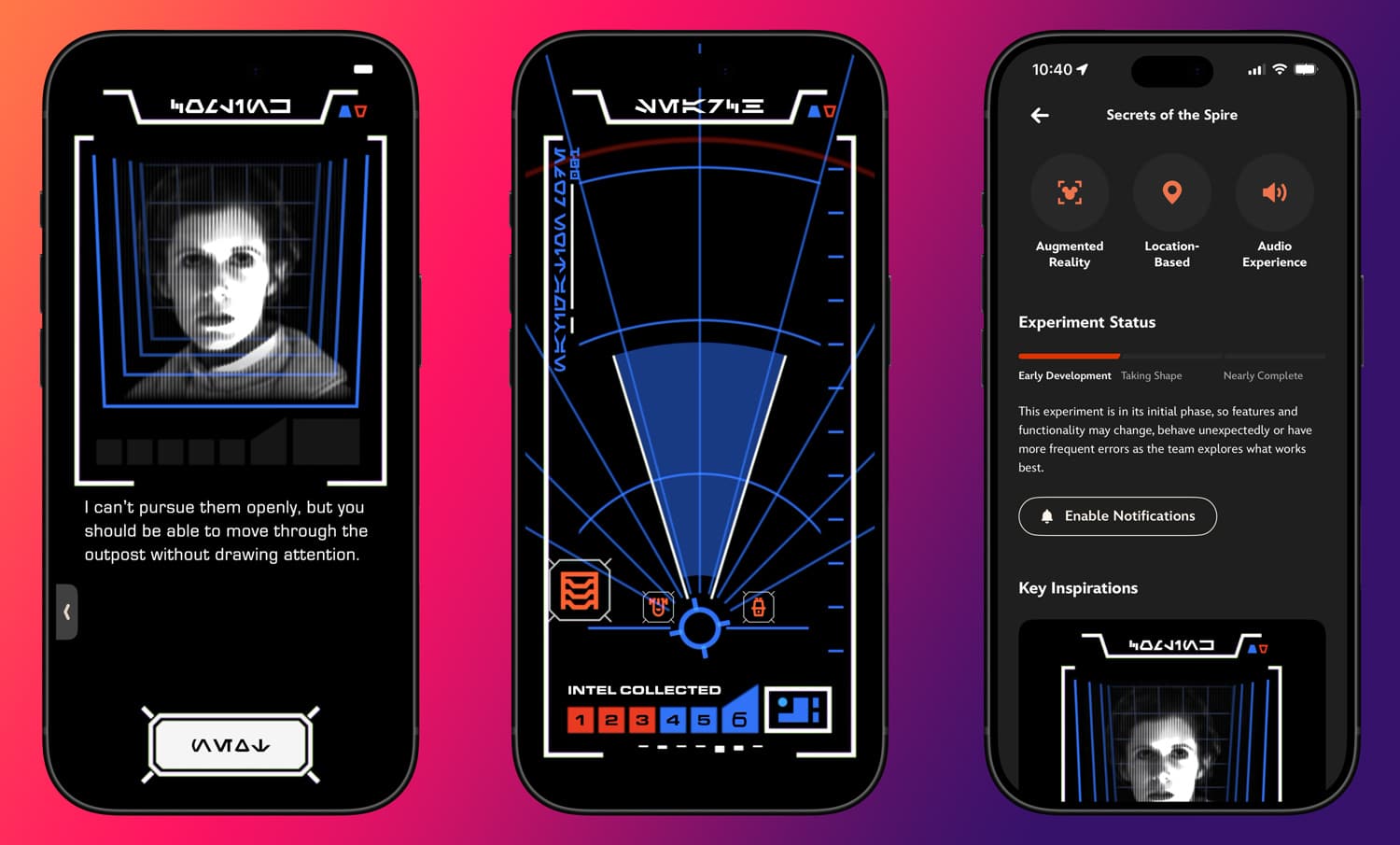
It now appears that the Disney Imagineering Labs app will offer a way for the Star Wars Datapad to live on, and potentially evolve into something new. This isn’t hugely surprising as the Star Wars Datapad was one of two marquee interactive offerings in the Play Disney Parks app, with the other being the DuckTales World Showcase Adventure. Walt Disney World confirmed last month that the DuckTales minigame would likewise live on. Perhaps that will also appear in the Disney Imagineering Labs app down the road.
As we’ve covered elsewhere, the Play Disney Parks app was at its best when Star Wars: Galaxy’s Edge launched and the Datapad debuted. I only ‘played’ this a few times, but it was really well done. The argument could be made that Galaxy’s Edge was at its best when using the Datapad, and the land really shined as a ‘live your own Star Wars adventure’ experience via the Datapad.
Accordingly, it’s nice to see the Datapad revived in the Disney Imagineering Labs app. It’ll also be interesting to see what’s changed between the two. As someone who only used the Datapad a few times–in 2019 and 2020 as the land launched, and then again during a stay at Star Wars: Galactic Starcruiser in 2022–I’m probably not the most qualified to speak further about the Datapad vs. Secrets of the Spire in Star Wars: Galaxy’s Edge, though.
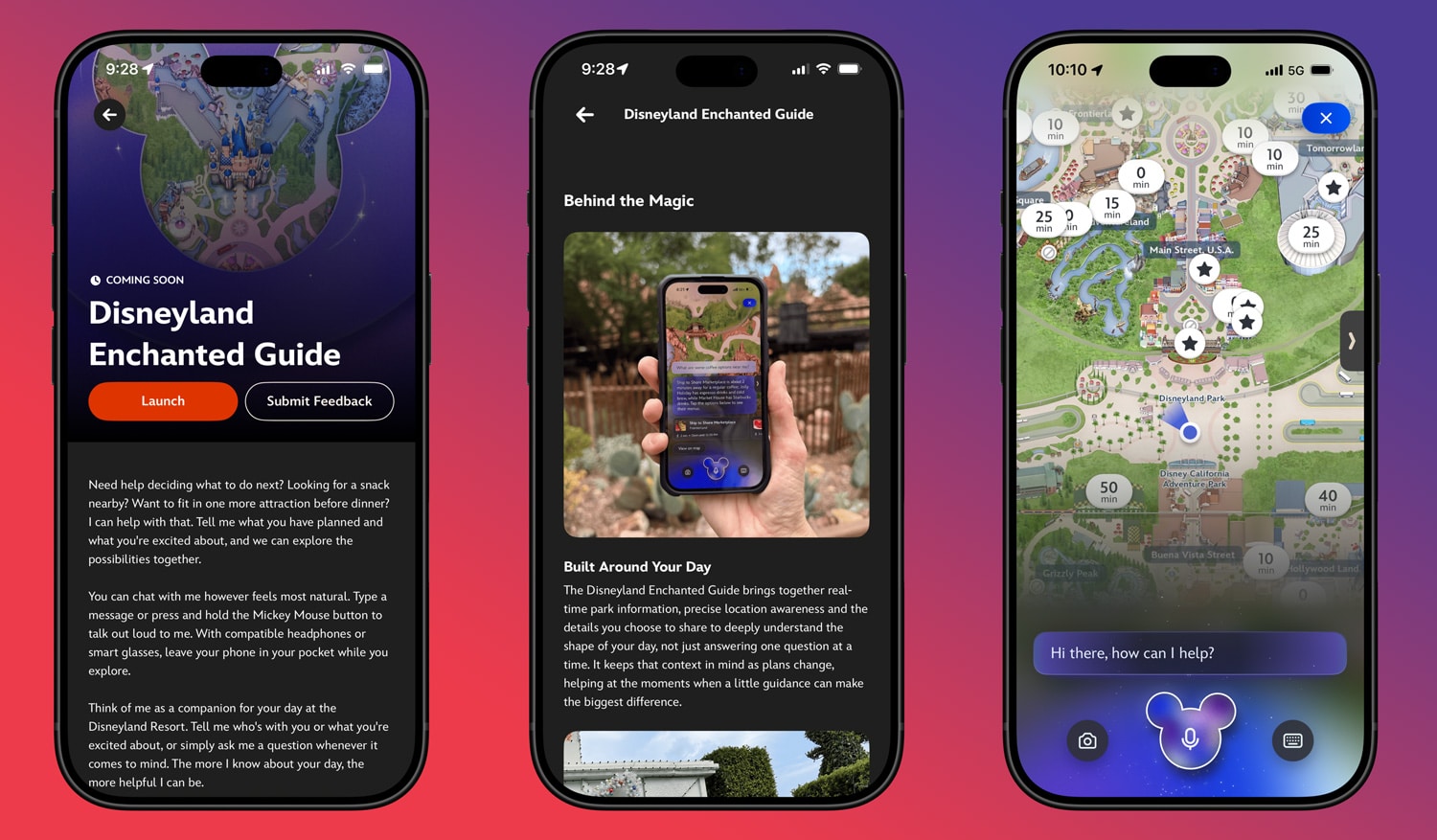
The other offering in the Disney Imagineering Labs app will be the Disneyland Enchanted Guide. This does not yet have a release date, but is coming soon and will also offer early access to Magic Key APs according to Imagineering.
The Disneyland Enchanted Guide sounds to me like a cross between Siri and the new AI powered guided search that Walt Disney World is currently beta testing on its website. Based on the demos I’ve seen of both that website and this app, if anything, it sounds like the website is more robust.
At least as presented, Disneyland Enchanted Guide struck me as more of a voiceover version of what’s already present in the Disneyland app. You can ask it questions–just as you can the search feature in the current app–and it’s basically delivering the top results in a more conversational manner.
The demo I was shown was mostly the current tip board and map in audible form, along with the ability to set alerts for when wait times hit a certain threshold. I’m sure there will be more functionality once the Disneyland Enchanted Guide launches, and the Disney Imagineering Labs app promises to continue evolving over time, too.
However, the Disneyland Enchanted Guide as a conversational and voiceover version of the current app makes sense given Imagineering’s goal of experimenting with technology to enhance the guest experience. More to the point, there’s the big integration of Disneyland Enchanted Guide that gives guests with Meta Glasses the ability to enable an optional hands-free, heads-up experience.
That collaboration with Meta Glasses sounds like the defining feature of the Disneyland Enchanted Guide, and I assume the reason it exists in the first place. It’s also how Disney is fulfilling last year’s promise of helping ‘break the spell’ of guests being glued to their phones…with another app, counter-intuitive as it might sound.
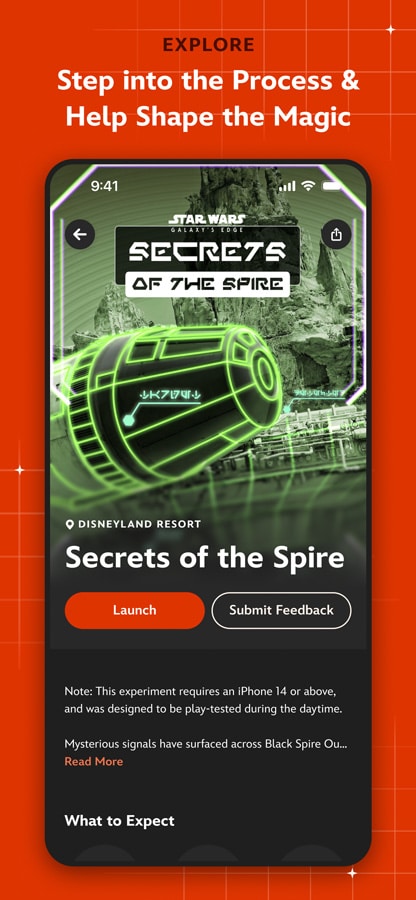
The third and final wrinkle of the Disney Imagineering Labs app is that it gives guests a glimpse into how Walt Disney Imagineering is developing what’s next, giving guests the ability to shape the future of the parks. Imagineering Labs offers a unique look at how Imagineers are experimenting with emerging technologies, and testing new ideas in a real-world park environment.
It’s an opportunity to explore how Imagineering approaches R&D, and how those experiments could influence future Disney experiences. And at the center of this is guests giving feedback via the app, and Imagineering using that to iterate on the experiences.
One of the defining aspects of Imagineering Labs is the opportunity for guests to play a role in what comes next. Rather than launching a finished product, Imagineers are inviting guests into a digital laboratory environment, in which their participation and feedback in the experimentation process help inform how experiences evolve.
The Secrets of the Spire and Disneyland Enchanted Guide experiments, along with whatever comes next, are intentionally designed as unfinished products. Guest feedback will help determine what changes, expands or potentially comes next.

Although unstated by Imagineering, the unfinished and experimental nature of the Disney Imagineering Labs app also helps determine what gets quietly abandoned.
Disney isn’t going to come out and say that they want to try things with more ‘freedom to fail’ since that would be an un-Disney (and un-Imagineering) talking point, but we all know that’s how stuff like this works. I’ve lost count of how many times Imagineering touted the next big thing and started testing it in the parks…only for it to quietly vanish a few months later, never to be seen or heard of again. Over the last decade, there’s at least an equal number of examples of this as there are long-term success stories.
Honestly, this unfinished and experimental nature of the app is what appeals most to me. Our article about the demise of the Play Disney Parks app focused largely on how that was a waste of resources that should’ve had the plug pulled long ago. It’s likely that there will be future experiments like those minigames in the Disney Imagineering Labs app, and WDI will more quickly pivot once it’s realized that guest adoption is low or feedback is mixed.
To be clear, this is not criticism–it’s the nature of the beast. Given that it comes with the territory, I want Imagineering to be able to experiment as efficiently as possible, without feeling the pressure of overspending on an idea to ensure it’s ready for the park-going public’s consumption. Testing some of this stuff with Annual Passholders and other diehard fans before abandoning it or iterating for the mass market is the right approach.
There are countless examples of abandoned technology that the company invested big bucks into, seemingly failing to take into account whether it was something guests would actually embrace. Things like the entire NextGen initiative to Made with Magic/Glow with the Show to Genie and more.
Frankly, the Meta Glasses collaboration feels like a future failure! I also wouldn’t be the least bit surprised if Meta is underwriting the Disneyland Enchanted Guide. There’s a value to Meta in having trusted brands lend their goodwill to this product and normalize it, as Meta/Facebook isn’t exactly a beloved American institution and this product isn’t something anyone asked for. So it’s going to take time and effort to reach a critical mass.
As discussed last year when the R&D episode of “We Call It Imagineering” first aired, there are seemingly parallels between Disney’s new partnership with Meta and the previous one Apple Vision Pro. I expressed skepticism at the latter, just as I had done previously with Disney’s forays into the metaverse, Cinderella Castle Mural of Memories NFT, Prime-Style Membership Program, AI Task Force, and so on and so forth.

Smart glasses obviously are less obtrusive than clunky Apple Vision Pro headsets. They nevertheless will isolate people from one another in public spaces if widely adopted and used in day-to-day life.
If products like this become socially acceptable to wear and interact with in public, we will lose more of the small but meaningful interactions that make us human. Disney and Meta can argue that the future is a world where we’re freed from our screens and talking to an AI copilot as we interact with our family and friends, all while quickly learning about the world around us. Maybe they’re right! Perhaps that’s how it’ll happen.
In my view, the more likely outcome is that this isolates people even further. That instead of talking to one another, striking up a conversation with fellow guests or asking questions of Cast Members, everyone retreats to their AI assistants to interact with and becomes even less social in the process.
Again, this might sound like doom and gloom. But does anyone actually think that social media made us more sociable with actual humans? Or that any emerging technology in the last couple of decades has made us less, not more, addicted to devices? These trend lines only go in one direction–at least, if the companies behind them have their ways.
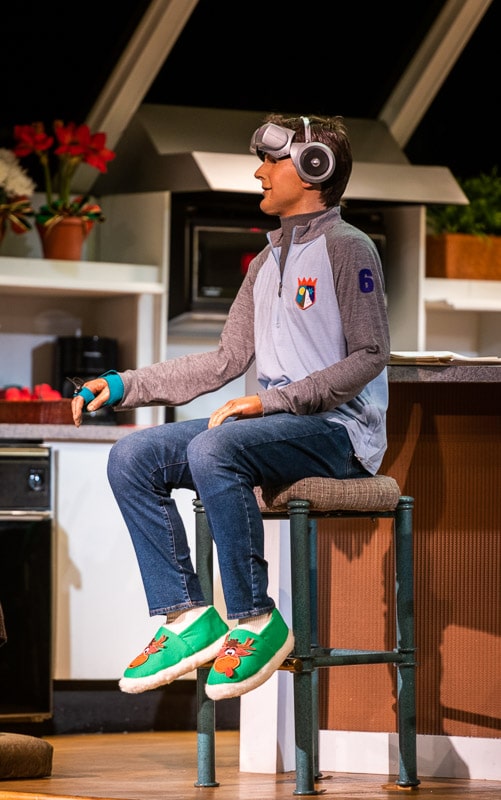
However, that comes with a very big if, which is consumer adoption. Smart glasses are more likely to become socially acceptable to wear in public spaces than Apple Vision Pro, but that’s only because most people don’t realize others are wearing them.
I would imagine that it’d be a different story entirely if you got into a crowded queue and started asking questions to your glasses. As other guests start looking at you like you’re a crazy person, go ahead and try explaining that you’re talking to your “smart” sunglasses. You’d probably get a bit of side-eye!
Maybe I’m alone in this and Americans have fully abandoned concerns about tech and privacy, but I doubt it. More likely is that people aren’t aware of these glasses, but that changes as soon as you start talking to them. If you already have these sunglasses and love them, more power to you. Perhaps you’re seeing the world in a new way; it’s worth acknowledging that the reverse might also be true.
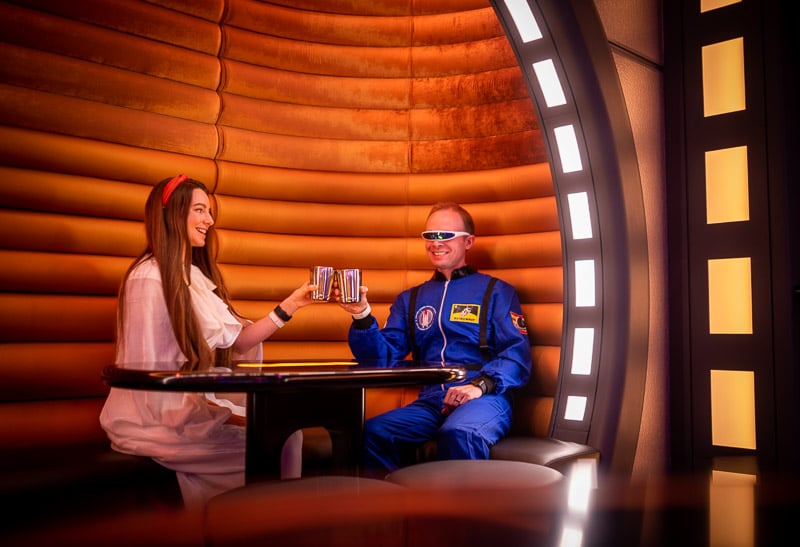
A decade ago, Google Glass learned precisely that lesson–that this kind of wearable was simply a bridge too far for average Americans. Google Glass was a spectacular failure, and the people who wore that nascent version of this tech were viewed as creeps and weirdos.
Meta and Ray-Ban are more mainstream, and perhaps partners like Disney will further normalize this type of wearable. Even so, the majority of average Americans are weirded out by this type of thing, do not view it as the logical evolution of the smart device, and will never adopt it.
While I don’t think there’s any putting the genie back in the bottle when it comes to the ubiquitousness of technology in society–nor should there be, as there are tangible benefits–I do think that people are becoming, and will continue to become, more cognizant of the dangers of living online and benefits of disconnecting.
It’s my fairly strong belief that wearables like this will never be particularly popular for the aforementioned reasons (and beyond). That the Meta x Ray-Ban smart glasses will be the best-selling version of this product, but that it won’t have even 1% of the market penetration as the smart phone. And from that perspective alone, this is DOA as being the future of the theme park experience.
This cannot be what ‘breaks the spell’ of guests being glued to their phones, as not enough guests will use it for it to make a meaningful difference. An impossibility based on scale alone. Even with more charitable assumptions than I’m willing to make, it’s highly unlikely that there will ever be enough uptake for something like this to be what resolves the problem of excessive screen time.
In a way, there is no solution to the problem of guests being glued to their phones. People being buried in their screens is not a Disney issue; it’s a societal one, and there’s no breaking that addiction until younger generations realize how harmful it is and make a concerted effort to avoid it.
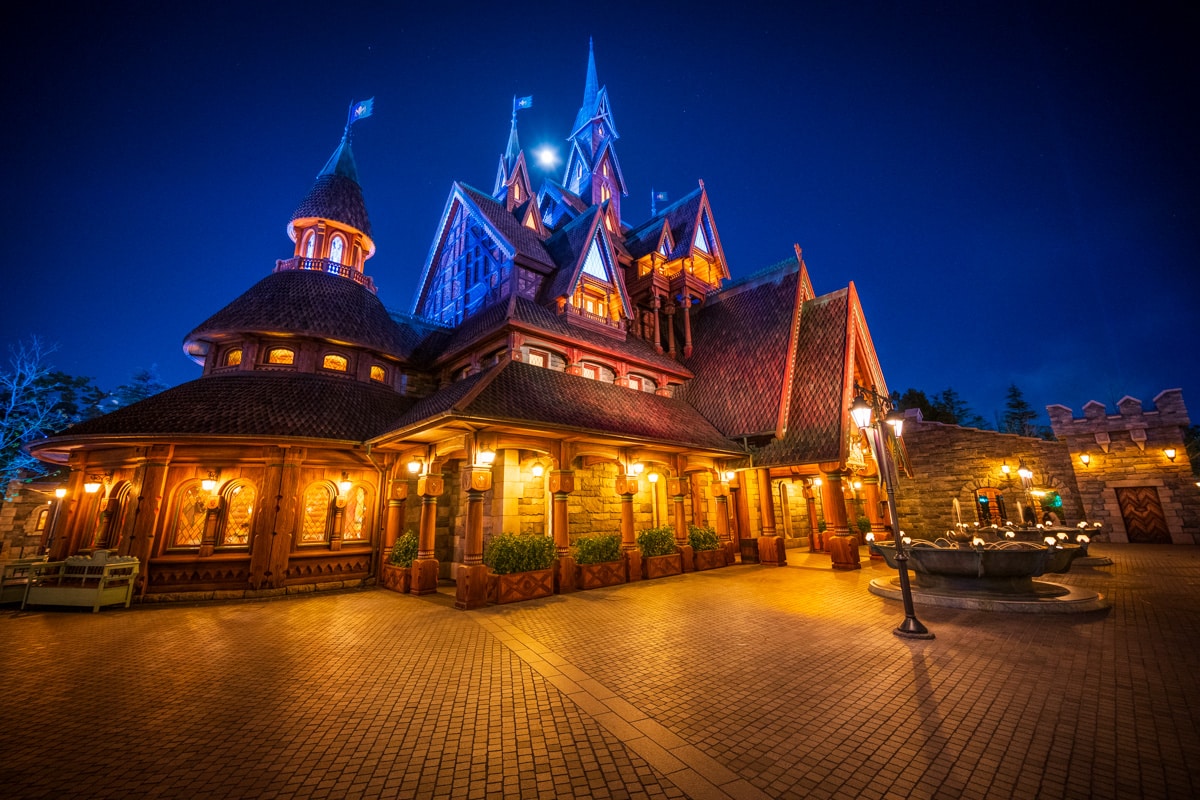
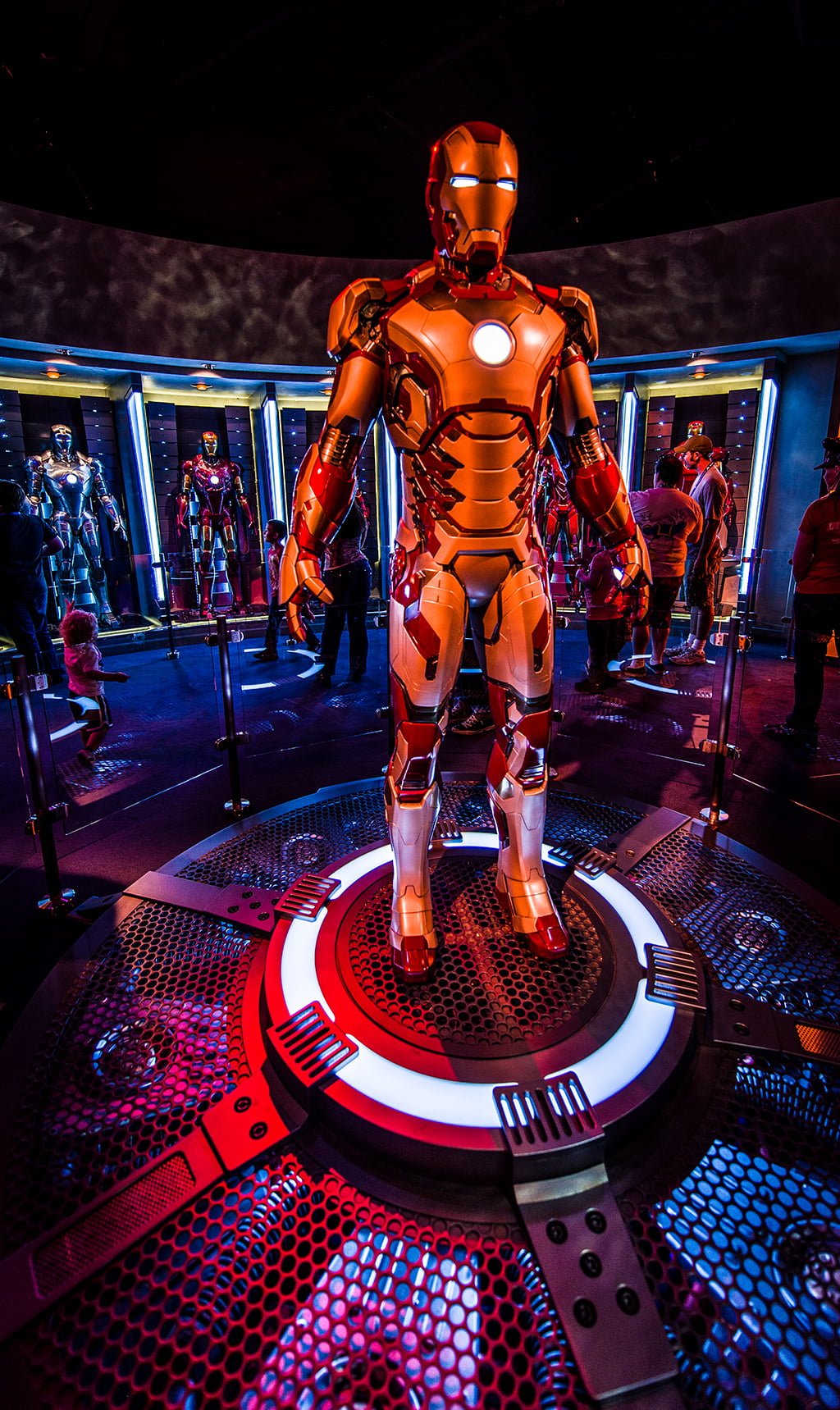
To the extent that it’s a solvable problem in the parks, the answer is developing less that’s reliant on screens and building beautiful themed environments that are better at competing for attention. In other words, fewer CommuniCore Halls, World Celebrations, and Avengers Campuses, and more Worlds of Frozen, Cars Lands, and Tokyo DisneySeas.
The good news is that it appears this is the direction that Walt Disney Imagineering is headed. Aside from the Avengers Campus expansion at DCA and Spider-Man area in Shanghai, all of the upcoming additions look like they’ll be stunning. Everything from Piston Peak to Monstropolis to Tropical Americas to Villains Land to the Coco area to Tokyo’s Tomorrowland overhaul looks like Imagineering back at the top of its world-building game, creating compelling environments that will do their best to break the spell of guests being glued to their phones.
Planning a Southern California vacation? For park admission deals, read Tips for Saving Money on Disneyland Tickets. Learn about on-site and off-site hotels in our Anaheim Hotel Reviews & Rankings. For where to eat, check out our Disneyland Restaurant Reviews. For unique ideas of things that’ll improve your trip, check out What to Pack for Disney. For comprehensive advice, consult our Disneyland Vacation Planning Guide. Finally, for guides beyond Disney, check out our Southern California Itineraries for day trips to Los Angeles, Laguna Beach, and many other SoCal cities!
YOUR THOUGHTS
Thoughts on the new Disney Imagineering Labs app? Will you be experimenting with Secrets of the Spire or Disneyland Enchanted Guide? Like the idea of a hands-free, heads-up experience via the Meta Glasses or does that strike you as even more dystopian? Any Walt Disney World or Disneyland use cases that would make smart glasses appealing to you? Do you agree or disagree with our assessment? Any questions we can help you answer? Hearing your feedback–even when you disagree with us–is both interesting to us and helpful to other readers, so please share your thoughts below in the comments!



One word: ugh.
…So let me guess this straight:
To enjoy the parks I used to simply walk around & pick an attraction to experience, I AM GOING TO SOON NEED HIGH TECH GLASSES?!? Because of course “Genie + & Lightning Lanes” were’nt bad enough….
I’ll pass! Just as I have since 2021! Its the reason my wife & I are Top Tier Universal Studios Premier Passholders since ’21!….
Disney R.I.P. 2019…..
Why would you need this? If you want to use the optional hands-free, heads-up feature on the optional app, sure–but that’s two layers of optional.
Core park experience remains unchanged before vs. after the launch of the Disney Imagineering Labs app.
The Meta glasses app sounds awful and I don’t see it lasting. D’Amaro has a lot of strengths but every time I see an article involving any sort of tech I know that isn’t one of them.
I also think the reliance on phones in the park is overblown. It really does not take that much time to book a lightning lane and order food. The need to constantly check to change lightning lanes or move your food pick up time to five minutes earlier or whatever is just “hacks” social media convinced people they need. If you’re spending all day on your phone you either need to stop obsessing over those hacks and just enjoy your day, or figure out how to use the app in the first place or (most likely) just put it in your pocket and not use it. Scrolling your phone in the park is a choice
I agree about it being overblown! I was actually going to include this in the post, but it’s already too long:
It’s been our position that this is both an obvious issue and an overblown one. So many entries on the above list are entirely optional. You can opt-out of Lightning Lanes completely, there are cash registers for counter service restaurants and merchandise, ADRs can be made pre-trip, and wait times boards are throughout the park (if you even need them in the first place).
On the other hand, optional might need air quotes around it. Ignore all of those app features to your own detriment, as they can help simplify and streamline your day. Not only that, but FOMO makes it difficult to opt-out of Lightning Lanes or anything else. The compulsion to check the My Disney Experience app is a direct result of the deliberate choices that Walt Disney World has made.