
Disney’s CFO Claims the Parks Are Full. Disney World Attendance, Wait Times & Deals Suggest Otherwise.
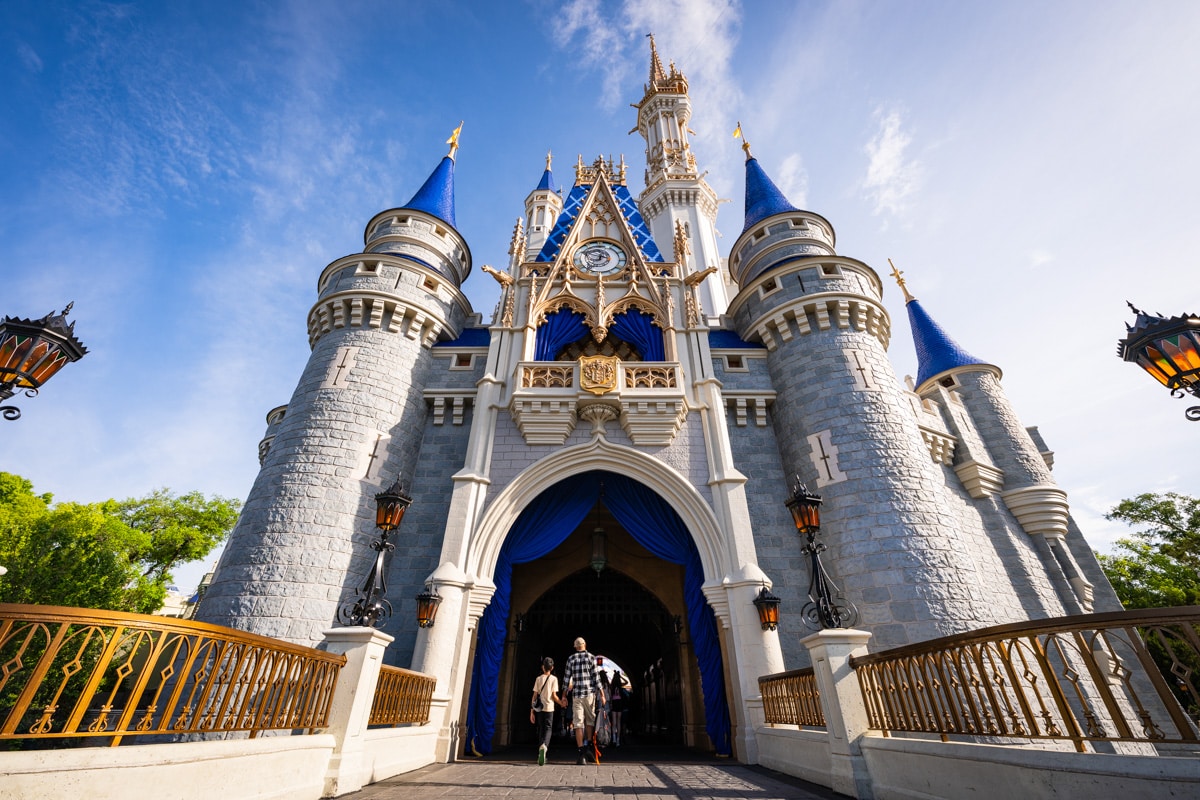
Disney CFO Hugh Johnston appeared at the 2026 MoffettNathanson Media, Internet & Communications Conference, and asserted that Walt Disney World cannot increase attendance because the parks are already “filled up.” This post covers his comments, the parallels to past statements by company leadership, and what he gets right and what’s mere puffery.
For starters, Johnston is reiterating what we’ve been hearing for a while. This same line of logic has been used since the “turbocharged” announcement a few years ago, and it’s arguably what sold Wall Street on the company investing $60 billion on theme park expansion in the first place.
Even if we’re critical of the accuracy of Johnston’s statements, we can certainly get behind the spirit of the messaging to its intended audience. If this is what convinces analysts and investors that this is not just the correct course of action, but the necessary one, then case closed. Sorry folks, the parks are full. The mouse out front should’ve told you.
During the conference, Johnston was asked about the balance of building out capacity, attendance growth, and pricing strategy. Here’s his reply:
Without expansion, we don’t necessarily have the ability to grow attendance massively because it’s already filled up. Now we could jam more people into the park, but then the guest experience declines, and that’s actually bad for the brand. So you don’t want us to do that, and we don’t think it’s a good idea either.
So then when we add capacity, without a doubt, it creates the opportunity. We’re seeing that in Paris right now to basically allow more people into the park. Now as a good analyst, you would ask the logical next question: does that mean the yield is going to go down?
That’s not been our experience because when you put in a big new attraction, you actually see a surge in demand for it as well. We tend to fill up [expansion] really quickly without having to discount. In fact, it actually offers some ability to charge more because, essentially, you’re offering something new that wasn’t there before.
We have the ability to grow attendance as we expand capacity. I would expect to see both pricing and attendance growth over any 3 or 4-year time frame. But at the end of the day, I wouldn’t overemphasize attendance as sort of a critical variable. I think we’re going to do well with it. It’s ultimately the combination of yield and attendance that matters the most.
Some of this probably sounds familiar from recent earnings calls. Let’s break down what he’s saying and why he’s saying it, along with our response…
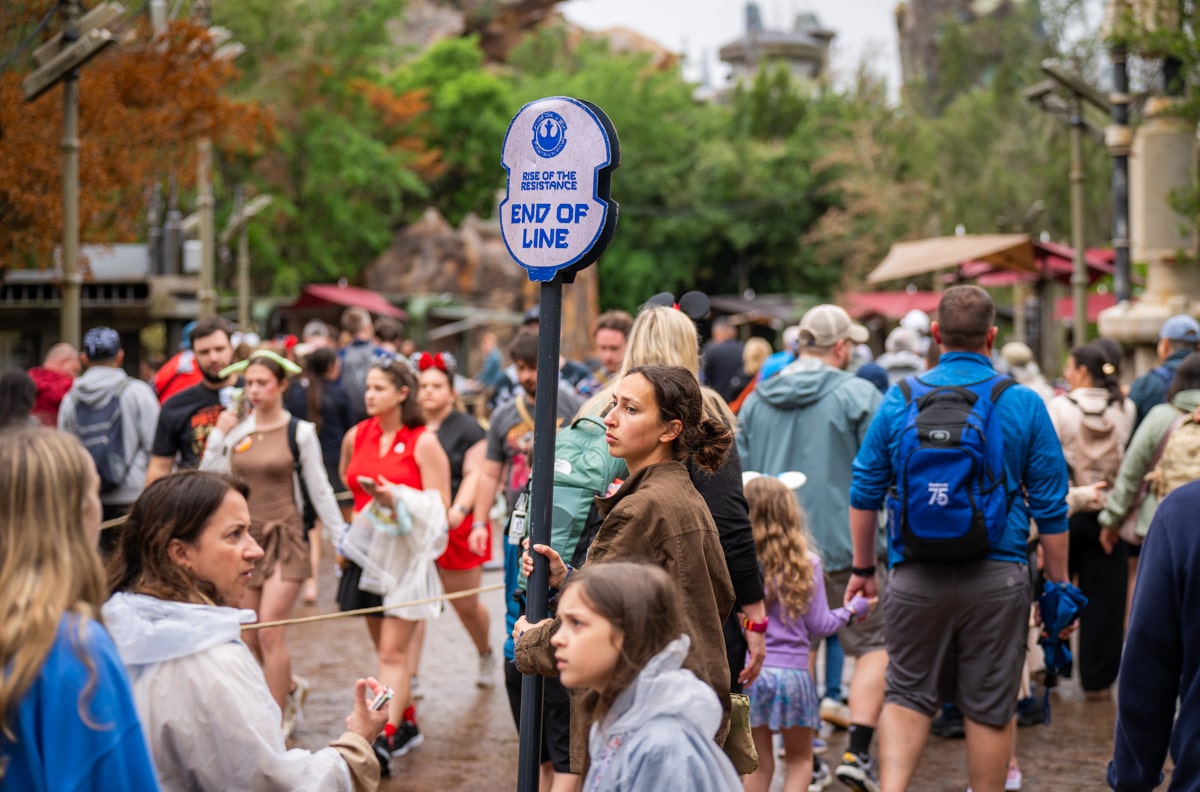
Disney Talks Its Book
Disney has a long and rich history of tailoring its messaging to talk up its actions. Whatever they are doing, it’s going to be emphasized as a positive. Although the argument could just as easily be made that it’s less of a ‘tail wags the dog’ situation and Disney makes the right decision for its business, and then explains that accordingly.
Regardless, we’ve heard a lot of messaging about Disney’s approach to pricing and discounting, along with crowds and attendance over the years. Back in 2010, then-chairman of Parks & Resorts Jay Rasulo stated that Walt Disney World planned to “slowly wean our guests off discounting.”
Rasulo and then-CEO Bob Iger talked about ending deep-discounting on countless earnings calls. They indicated that these extreme measures put in place by Disney to prop up attendance and occupancy during the height of the recession were no longer necessary. They talked about how expansion coming online would mean the end of discounts, and more price growth.

There’s an old adage among attorneys: “If you have the facts on your side, pound the facts; if you have the law on your side, pound the law; if you have neither the facts nor the law, pound the table.” That expression can be applied to all facets of life. With its corporate communications, Disney is often pounding on the table.
Disney emphasizes the things that make the company look good and more valuable to shareholders, while also attempting to spin those into positives for consumers. When every other metric was abysmal in mid to late 2020, Disney emphasized guest satisfaction and ‘intent-to-return’ metrics on corporate earnings calls.
With all of that said, this isn’t to claim Disney leadership is incompetent and all of the above is superficial spin that’s unsupported by the fundamentals. Despite the stagnant stock price–which has virtually nothing to do with the parks–Walt Disney World and Disneyland have performed exceptionally well over the last 5 years.
Guest spending metrics have exploded, and the Experiences segment has set new records more times than I can count. Clearly the leadership team knows what it’s doing, and nothing here should be construed as claiming otherwise. What we are suggesting is that the parks are not “filled up” and without the ability to increase attendance.

Discounts Are Needed to Fill Up Parks & Resorts
With the exception of the revenge travel era, weaning guests off discounts has never happened. And that was absolutely an outlier as pent-up demand collided with constrained capacity as Walt Disney World struggled to scale operations back up after furloughing too many Cast Members.
Discounts since then have been aggressive by historical standards, in some cases bringing prices back in line with 2018 and 2019. These deals are undoubtedly a reflection of Walt Disney World not opening a new attraction with mainstream marketability (read: to national audiences of non-fans) since TRON Lightcycle Run.
I don’t doubt for a second that, all else being equal with the economy, Walt Disney World will scale back on discounts in 2028 and 2029 once the next wave of marketable new additions starts opening. But I’m also apprehensive that weaning guests off discounts will occur, then or ever.

Discounts themselves have marketing power, and Disney learned studying at the Kohl’s School of Business that it’s better to raise rack rates and offer stronger sales for the appearance of better deals. Similarly, targeted special offers can reach audiences that need greater incentive to visit than the general public. And despite being a rite-of-passage vacation, Walt Disney World is so large scale that they’ll always need to be somewhat responsive to the state of the American consumer.
In the here and now, it’s worth again pointing out that Walt Disney World has released a deluge of discounts already in 2026. Just today came a Florida resident deal offering $65/day admission, which follows the return of the 4-Park, 4-Day Magic Ticket, Up to 40% Off Resorts for Florida Residents and Annual Passholders, “Stay Longer & Save More” Up to 30% Off Room-Only Discount, Deep Discount on Rooms Starting at $99 Per Night and more, along with the stackable Kids Eat Free promo.
To repeat one of our favorite phrases, Disney doesn’t offer discounts out of corporate benevolence or charity. They’re doing so because the parks and resorts are not filled up to capacity (although the hotels are much closer). And I would hazard a guess that even with these aggressive special offers and a surprisingly strong slate of additions, summer is still going to be somewhat slow at Walt Disney World.

Attendance Still Below 2019
The easiest argument that Walt Disney World isn’t filled up comes via attendance stats, which are still far below 2019 levels despite several new attractions opening since then.
Across the board, Walt Disney World attendance increased almost every single year from 2007 to 2019. Cumulatively, the increase was by tens of millions of guests, with attendance at Magic Kingdom alone climbing from 16 million to nearly 21 million guests.
Here are the attendance totals for 2019:
- Magic Kingdom: 20.96 million
- EPCOT: 12.44 million
- Hollywood Studios: 11.48 million
- Animal Kingdom: 13.9 million
Here’s attendance for 2024:
- Magic Kingdom: 17.84 million
- EPCOT: 11.98 million
- Hollywood Studios: 10.3 million
- Animal Kingdom: 8.8 million
The 2025 attendance report has not yet been released, but it’s expected to be somewhere between flat and down 1% based on earnings calls. (We don’t know for sure since Disney measures by fiscal year, which differs from calendar year.)
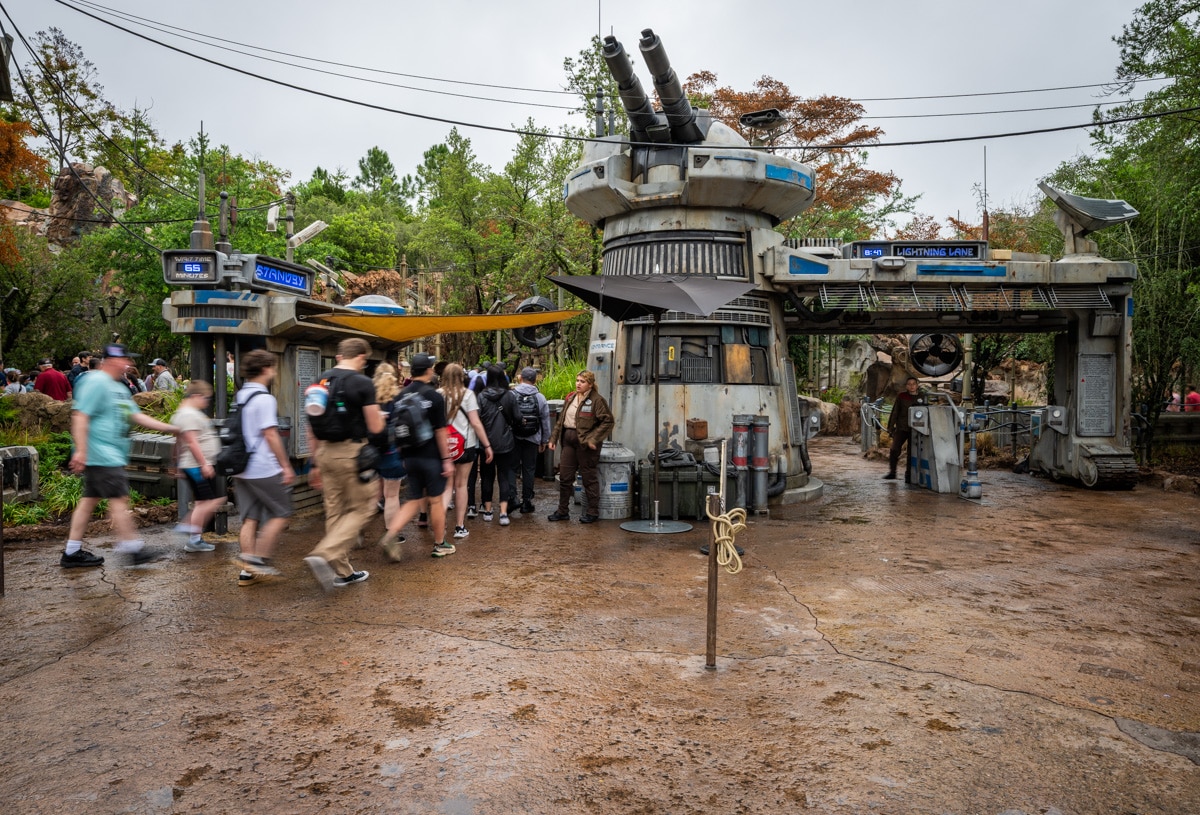
Walt Disney World seems mostly okay with not hitting the 2019 high water mark for attendance, and Johnston alluded to this with his comments at the conference (similar sentiment has been expressed in the past by D’Amaro, Chapek, and Iger). I’m skeptical that they’re entirely okay with it, which helps to explain the more aggressive discounting we’ve seen recently.
The precipitous drop at Animal Kingdom, Magic Kingdom still being ~3 million below 2019, along with both EPCOT and Disney’s Hollywood Studios still hovering below 2019 despite adding blockbuster new lands and attractions since then cannot possibly be the desired outcome. There’s no way that was the plan.
With that said, per guest spending is the company’s key metric and they’ve achieved enviable growth there. They’ve also managed to record revenue, and the Experiences division is now the engine that powers the entire company.

In reality, the company wants to have its cake and eat it too: the intersection of higher guest spending and higher attendance. Meaning that if per guest spending stats could be maximized at the same time as Magic Kingdom breaking the 20 million barrier, Disney would absolutely take both. That isn’t possible over the course of the entire year, so they aim to thread the needle and balance those desires.
Disney also needs to maintain a certain level of guest satisfaction. If what I’ve heard is accurate, that took a fairly noticeable hit in the 6 months pre-COVID, which is one reason why Walt Disney World has eased back on the attendance accelerator and is now increasing park capacity.
This would also explain why Chapek was so eager to tout guest satisfaction and ‘intent-to-return’ metrics on earnings calls in the COVID-era, as they probably had improved considerably over the lows from roughly October 2019 through March 2020. The parks truly were unsustainably overcrowded then, and some degree of course-correction was needed.
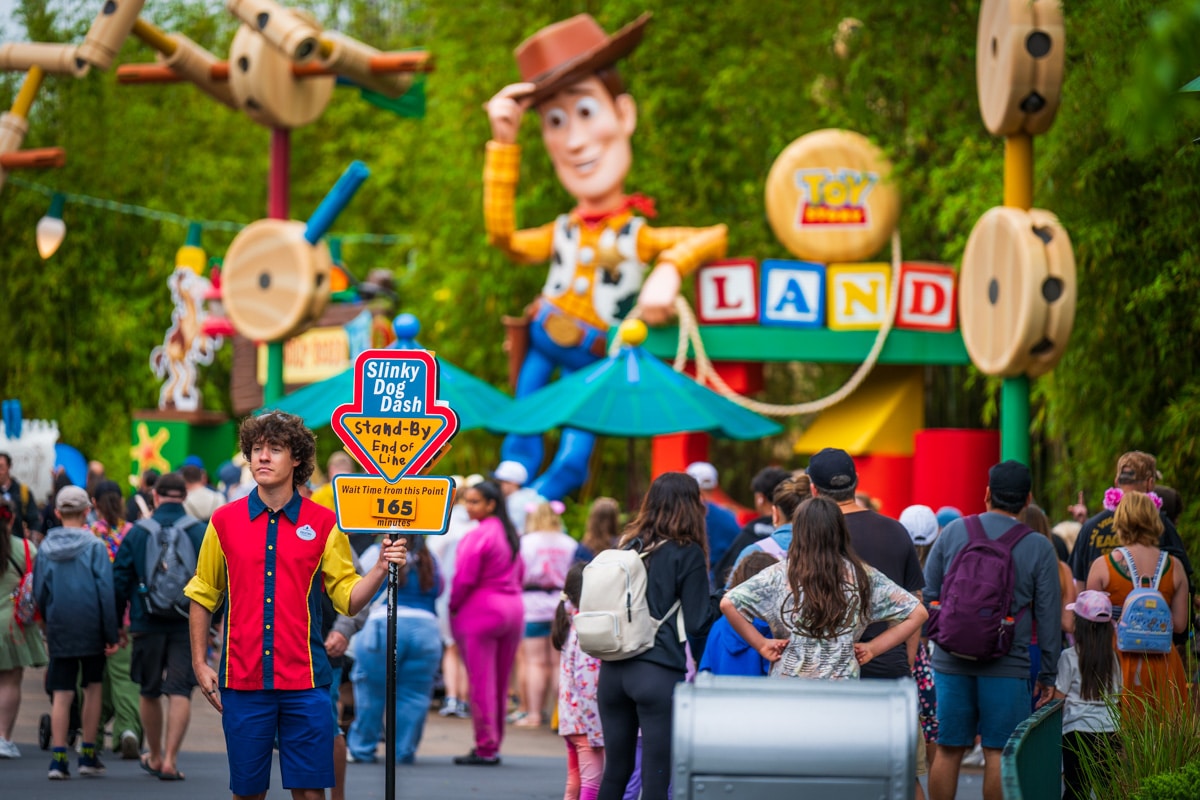
Peak & Off-Season Extremes Have Different ‘Filled Up’ Levels
There are certain times of year when the needle is not threaded and this balance is not maintained. Holiday weeks, especially the peak between Christmas and New Year’s Eve, are still the busiest and priciest of the year. It’s a similar story around Spring Break, Fall Break, and other major holidays.
While some fans may nod along at Johnston’s claim that the parks are filled up, anyone who has visited during both a holiday week and random day in August or September knows that there’s a massive difference. “There’s no such thing as the off-season” is a claim that really grinds my gears, and is addressed at length in 10 Ways Disney World Fans Are Wrong About Crowds.
Suffice to say, the busiest days of the year are usually December 28-31, which often average 60+ minute wait times at Walt Disney World. This is across all attractions, from unpopular shows to headliners, with the latter having triple-digit waits. That easily clears the bar for a 10/10 crowd level.
By contrast, many dates in August and September have average wait times of 20 minutes or less, which barely registers as a 1/10 crowd level. It should be fair to say that there’s a massive difference between 20 minutes and 60+ minutes–a full 40 minute spread!
Any of us would agree with Johnston that those late December dates are full at Walt Disney World. Arguably still more filled up than they should be, even if a far cry from 2019 levels. It’s a similar story with other times; my recent morning with 10/10 crowds at Disney’s Hollywood Studios certainly struck me as too full.
But if you went from the 83 minute average at EPCOT on NYE to the doldrums of Diet EPCOT on June 14-15 last year, there’s no way anyone reading this would believe the latter was anywhere close to full. “Dead” or “empty” would be the words used to describe that.
The point we’re making is not a contrarian take that the 60+ minute dates are not full. They absolutely are. Rather, that the abundance of 20-30 minute dates are not full. From our perspective, it’s hard to credibly claim that the extreme lows are filled up and there’s no room for attendance growth given the massive difference between those and actual peak season dates.

If you primarily visit during school breaks or peak season dates, you might be inclined to believe those are cherry-picked examples and that, for the most part, Walt Disney World is close to full despite having millions of fewer annual guests per park than 2019.
I would argue the exact opposite. That the parks are not close to full most of the year, and the peak dates are what’s the outlier. In fact, our most recent Walt Disney World crowd report discussed how, now that Spring Break is over, we’re in an approximately 5-month stretch of low-to-moderate crowd levels.
This is precisely why we’ve advocated for Disneyland-caliber targeted summer ticket deals. There’s plenty of excess capacity in the parks, and utilizing it would be a net positive for both guests and Disney. It will more of that unused space, capture more revenue for the company, and make Disney accessible to more middle class Americans. Win-win-win.
You may quibble with the specifics, but I don’t think anyone with experience of truly busy dates at Walt Disney World would argue that more than a handful of dates between mid-April and mid-October qualify as “filled up” or anything close to it.
If the parks were truly full or anything close to it, there would be a negligible difference in crowd levels because all dates would be close to whatever capacity ceiling Disney had set to balance congestion, comfort, revenue, etc. But in reality, there are still massive swings in crowd levels, with plenty of 1/10 to 3/10 days along with 7/10 to 10/10 days. And the differences between those crowd levels in terms of average wait times are often quite significant; they’re not virtually indistinguishable, as would be the case if the parks were always full.
Credit where credit is due, though. If Johnston were talking only about Disneyland when asserting that the parks are mostly full and cannot massively increase attendance, I’d agree wholeheartedly. The swings there are not usually as extreme, and it’s been a while since we’ve experienced a “dead” day that wasn’t rainy. If anything, the contrast between Disneyland and Walt Disney World underscores how much excess attendance bandwidth the latter has.
How to Fix “Full” Parks
The good news is that, if Disney has an issue with the parks being full, there are other ways to reduce crowds while increasing capacity and attendance beyond waiting for the new attractions to come online in 2028 and beyond.
Beyond physical park expansion, another option is adding entertainment. This is something that can be done on a quicker timeline, with stage shows, atmospheric acts (“streetmosphere”), parades, nighttime spectaculars, all helping to absorb or redistribute attendance. This was one of the goals of Rivers of Light and the whole Animal Kingdom after dark initiative.
With the major exception of Starlight Night Parade at Magic Kingdom, Walt Disney World has largely gone the other direction in the last several years. Even pre-closure, entertainment cuts were occurring with regularity even as attendance increased. Post reopening, there’s still a ton missing.
The other solution is extending park hours, which increases park capacity and spreads out crowds. This occurs in effect because the average guest does not stay for the duration of the operating day, but rather, a subset of it.
Most people are not commando tourists who can go from rope drop to park close regardless of hours. They’ll do about 8 hours of the day on average, arriving early or staying late. Extending hours decreases the overlap–and thus crowds in the process–and allows attendees to “redistribute” crowds in a natural way.
This is a time-tested solution, and is why Magic Kingdom used to open at 7 am during peak season dates and stay open until midnight in the summer. Even then, Main Street was busy until 1 am, as plenty of people will stay out until 2 am or later unless the weather is prohibitively cold. It’s also why Magic Kingdom used to have Extra Magic Hours until 3 am.
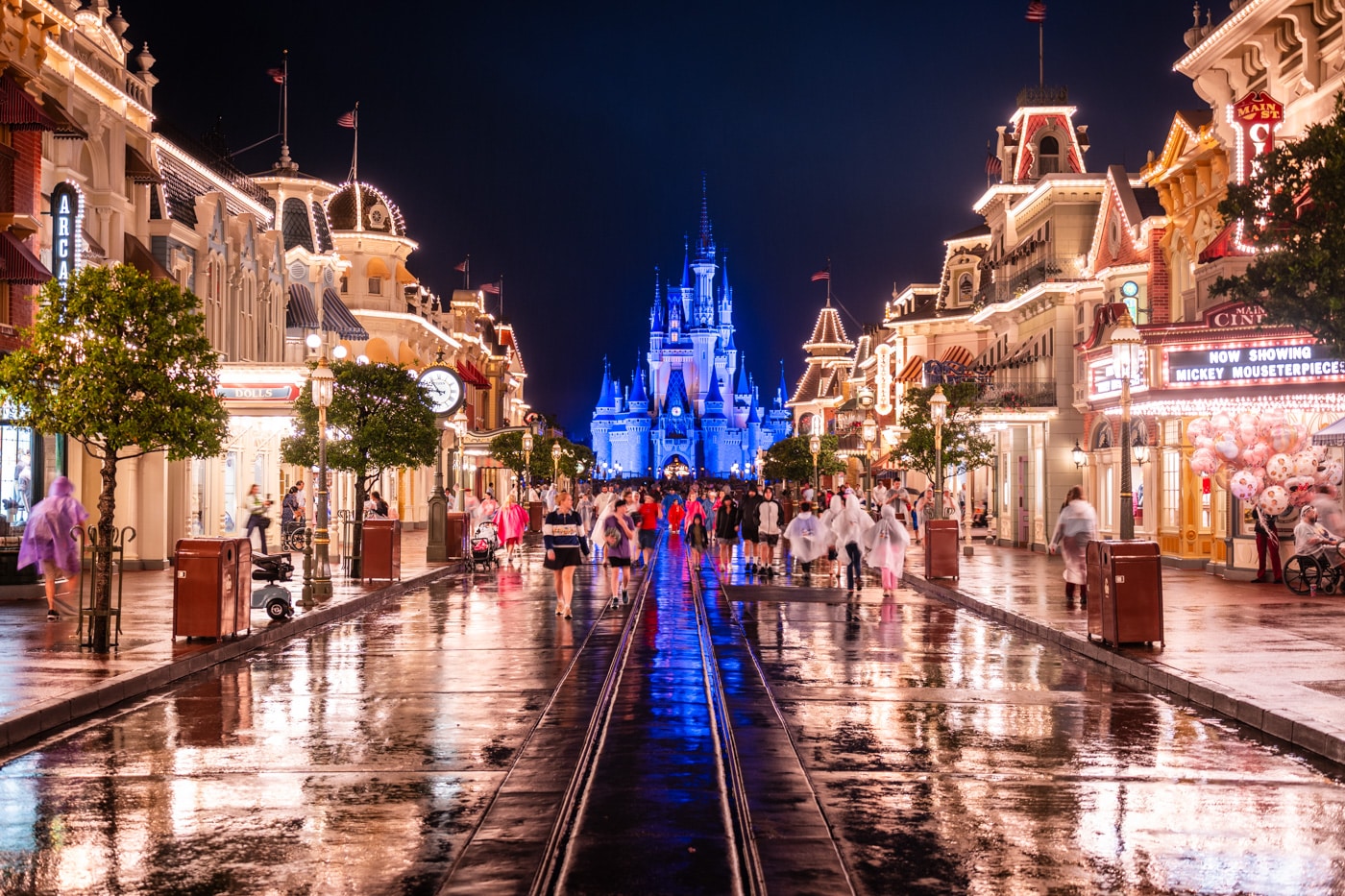
Ultimately, that’s why I’d argue that Walt Disney World is not “filled up” in a meaningful sense of the term most dates. Moreover, on the dates when the parks actually are full, such as around New Year’s Eve, there’s still a willingness to pack more people in at the right price points.
What Disney wants is to “optimize” wait times, costs, and pricing to improve margins. That’s precisely why the company has reduced hours and entertainment instead of adding more to help absorb crowds while also cutting other costs. It’s not that Disney is inept at increasing attendance–it’s that the actual goal is yield management, and they are incredibly efficient at that!
There’s also the fundamental question of whether having fewer people–and by extension, children–experience rite of passage vacations to Walt Disney World is a bad thing. I’d argue that it is and definitely should not be the company’s strategy. It’s my position that Disney’s deep discounts to increase occupancy has been a net positive, whereas there’s a ton of runway for more aggressive ticket deals to raise attendance between mid-April and mid-October. But this is another topic, and one we’ve already covered at length elsewhere.
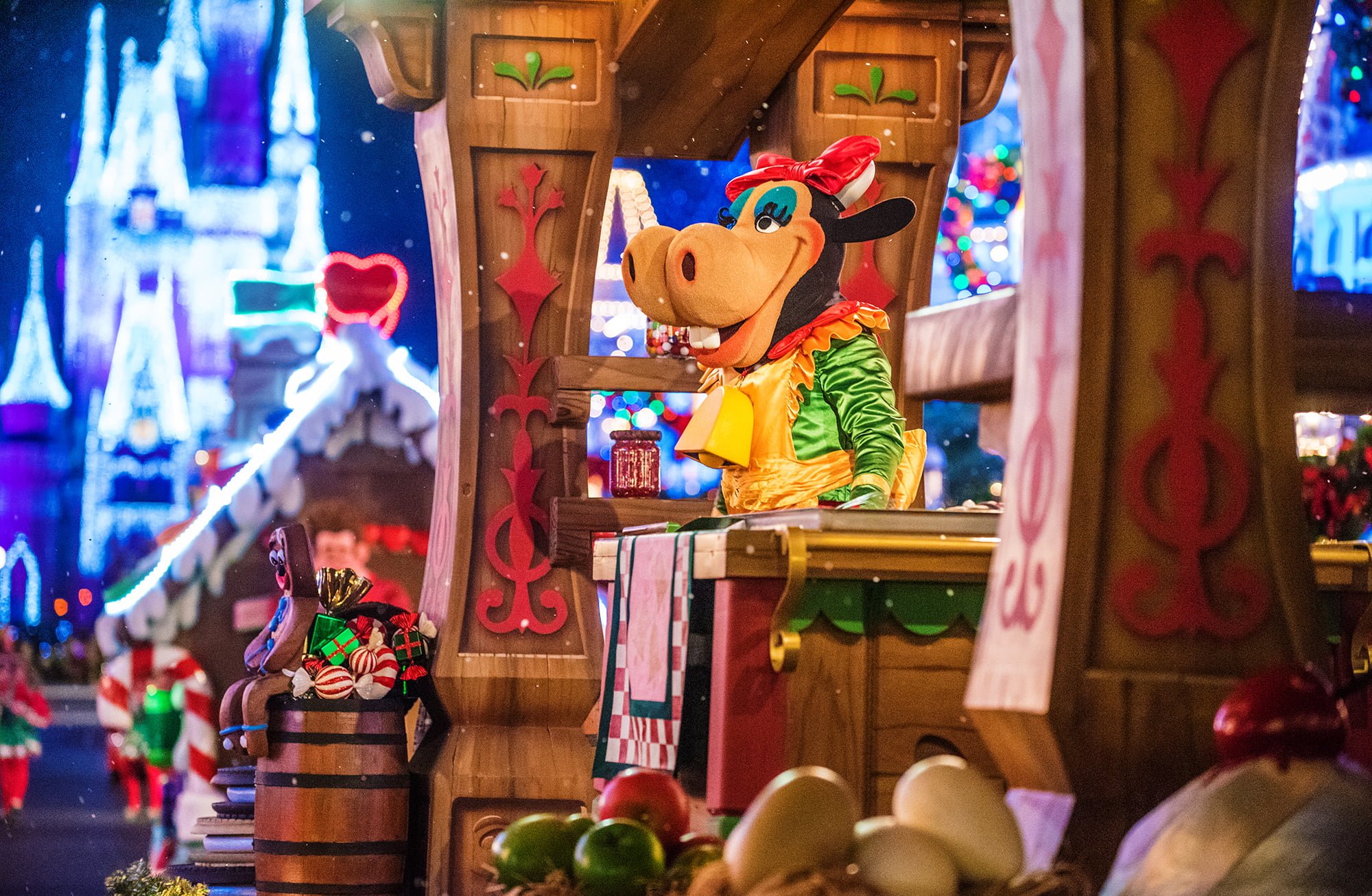
Regardless, we fully support Johnston in his messaging to Wall Street that Walt Disney World is full and needs expansion in order to increase attendance. After spending years watching Walt Disney World be the cash cow that was milked dry while the company threw away billions on streaming and assorted boondoggles, it’s really nice to see investors and analysts finally “discover” the parks & resorts as viable businesses.
If anyone from MoffettNathanson is reading this, I take it all back. The parks are all way too full, and if anything, they need $80 billion of investments as opposed to $60 billion, so long as $0 of that is allocated towards Fortnite or a super app.
Planning a Walt Disney World trip? Learn about hotels on our Walt Disney World Hotels Reviews page. For where to eat, read our Walt Disney World Restaurant Reviews. To save money on tickets or determine which type to buy, read our Tips for Saving Money on Walt Disney World Tickets post. Our What to Pack for Disney Trips post takes a unique look at clever items to take. For what to do and when to do it, our Walt Disney World Ride Guides will help. For comprehensive advice, the best place to start is our Walt Disney World Trip Planning Guide for everything you need to know!
YOUR THOUGHTS
What do you think about Disney’s CFO claiming that the parks are “filled up”? Any other considerations we failed to take into account or details we missed? Do you agree or disagree with my assessment? Any questions we can help you answer? Hearing your feedback–even when you disagree with us–is both interesting to us and helpful to other readers, so please share your thoughts below in the comments!


We were there May 10-14. A lot of resorts were sold out, but the parks were not full. We rode many of the headliners, many twice, at 3 of the 4 parks (skipped Hollywood this trip). Longest wait was Tron and Cosmic Rewind (and Les Halles ), but we rode both multiple times throughout our day. Had a fantastic trip, really accomplished so much!
One of your responses mentions that on a slow day that SDMT or Tron is a 60+ minute wait. This isn’t a good example of a “slow day”. This might be slower than normal, but for most people experiencing Disney World this is an 8/10 in terms of “busy”. As of late it might be more socially acceptable to refer to these days as slow, but that is just hurting the brand for those who rely on it.
I am glad that you pointed to the reduced hours since Covid. Disney World used to be open longer, and have more staffing than it does today. The company can no longer blame that on the pandemic, its business strategy to reduce costs. If they want to increase capacity, they can and should increase hours. Based on Florida weather, they should be looking at doing that to support guests during more temporate hours. It’s getting very hot in the midday sun, and so being able to burn the candle at both ends more would be appreciated. One of the benefits of being on-site is the ability to go back to the room more easily for a siesta.
Disney should be doing more with their waterparks. Only having one open during 3/4 of the year is limiting usage. The checkin day feature is good. They should be following that up with a desk/booth near the exit offering upgrades to include them for the rest of the stay.
We have been at BWV since last Friday. It is NOT that busy as far as WDW goes. Yes, it was busy at EPCOT on the weekend filled with mostly college age drinkers, but mornings are quiet coming in the International Gate. I would say this is fairly quiet by WDW standards “overall”, not park specific. It has been easy to get ADR’s last minute in all areas as we have been cancelling and winging it with better times and restaurants. I’ve been coming here for 50+ years, DVC and AP and no, it is not busy.
A couple things could be true at the same time. Maybe, just maybe, Disney has realized that they’ve tapped out guest attendance at the current pricing structure without new attractions to get people to spend the money to show up when the ordinarily wouldn’t. Also, maybe Johnston is saying this to get Wall Street to look favorably at the spending of money to expand.
Yeah, I’d agree with both of these statements. I’d just note that the first one isn’t the same as saying the parks are “filled up” and that they can’t “jam more people into the park” without the guest experience declining. Rather, it’s that they’re unable to do so with their current pricing structure and perks.
Regardless, the second point is the one that matters to me more at the end of the day, so here’s hoping Wall Street buys what he’s selling.
A tangential remark here…Guest satisfaction. I get that WDW wants people to spend money. I can even understand taking away Magical Express. What I can’t get over is the blasted “beverage coolers” in which you can’t safely store a quart of milk or a few yogurt containers or medicine. Doesn’t every cheap hotel chain room even have real mini-fridges? It’s not as if we were putting a week’s worth of groceries in them and avoiding the restaurants. It was a small, but real convenience for all ages.
I really wonder what the calculus was with the beverage coolers. I agree with you, but wonder whether it was a nefarious way to “prevent” guests from doing grocery delivery or came down to cost savings on electricity or even the units themselves.
Something tells me it doesn’t have a huge deterrent effect, and that most guests who would put groceries in them still do. Or maybe I’m just projecting what I do, as their minimum temperature hasn’t stopped me from using them for yogurt or cottage cheese. Then again, I live on the wild side.
Agree! I do not like the idea of just a beverage cooler. We usually have a villa, however this year we will be trying a regular room and I am not sure how this will work. I am wondering if anyone has tried putting ice in the cooler and if that has lowered the temperature? We would be able to get ice as we have a car. I know a few times we lost power at home and putting ice in the drawers of the refrigerator helped extend the life of the food (regular ice – not dry ice). I still wouldn’t trust it for my medicine though.
Quick note: Those coolers DO NOT get cold enough to keep medicine.
Note to LIZ: If you have medicine tell the front desk and they will provide you with a small refrigerator or they will keep it in one for you.
Tom, your last paragraph is the best, lol! Spoken how die-hard WDW fans feel.
As far as park hours goes, it feels like by design (and I’m sure it is!), that all the special events (with special ticket pricing), would not be so “special” (and less demand) if the parks were open late a high percentage of time? I don’t remember all the special events tickets being around 8-10 years ago.
FWIW, Disneyland still does the after hours events despite regular 8 am to 11 pm or midnight park hours.
The difference is that each Disneyland After Dark event has a theme, like 90s Nite or Star Wars Nite. That’s the distinction, and how they still manage to sell. I’d argue that WDW would have even more success with this given guest demographics, but they don’t want to put in the effort. (And it’s not like Disneyland puts a ton of effort into the events.)
Walt Disney World actually tested this back in 2019 with Villains After Hours: https://www.disneytouristblog.com/villains-after-hours-magic-kingdom-review/
We just stayed at Wilderness Lodge. The cooler in the regular hotel rooms kept a half gallon of milk very cold.
I don’t know about WDW currently, but DisneyLAND is certainly full, or if it isn’t then I’d hate to see what full looks like. I just got back from a week there, and it was insanely crowded. You effectively had to stand in a queue just to move along the walkways. Tom predicted recently that Disney’s discounts would flip early May from least-crowded to most-crowded time of year, and it seems the prediction was correct.
(I was a tad miffed about that: I had made my reservations far earlier, entirely on the basis of the crowd calendar, and then Disney shifted it after it was far too late to change them.)
You are correct. Disneyland is full, and also offers a contrast between what “filled up” and “excess capacity” actually looks like. Our visits to DLR this month have been so bad that we’re done until the current ticket deal ends. It’s quite literally worse than it was during NYE right now!
In its own odd way, the current state of Disneyland actually does offer a rebuttal to Johnston’s claim about not wanting to “jam more people into the park” for fear of worsening the guest experience. That’s exactly what they did at Disneyland by offering too good of a resident ticket deal. It is still possible to thread the needle, and offer deals to fill excess capacity while not hurting the guest experience, but more so at WDW where there are 4 parks and fewer locals.
A bit outside the scope of this post, but I discussed it a bit more yesterday here: https://www.disneytouristblog.com/disneylands-weak-missing-deals-despite-early-entry-ending-summer-slowdown/
One problem, I guess, is that people only have their own frames of reference to work with. So if you never seen the contrast, it’s easy to view everything as busy.
As usual your assessment is correct. Especially your second to last paragraph beginning, “Regardless”
Spot on.
For my two cents, Disney is really undervaluing “streetmosphere”. It may seem like an expense that doesn’t bring revenue in on the spot but it has an incredible long term value. If they really wanted they could get street performers for free like they have on the boardwalk or DS.
The best situation is to have people telling their friends, “It was so much fun. We have to go back. There was so much to see and do we couldn’t see and do it all.”
Not, “It was so packed we couldn’t do everything we wanted.” And right now, there’s a little more of that than is healthy for them.
Anyone really wonder why attendance is still lower than 2019? Disney still hasn’t brought back all the programs they offered then. Remember that commercial ad they used to run? Now they have had outsized ticket cost increases, now have to pay for FP’s (and all the other nickel and dime increases). Oh yeah, Magical Express is gone (additional cost to get to/from Disney), luggage transfer is still not back everywhere yet, don’t bring your merchandise to your room, shorter hours, dining cost increases. Those dining plan prices are criminal. They did this to themselves.
As someone who’s only been going during spring break the last few years, I’m definitely in the too-full camp. It’s just the only time I can manage to go – either that or none at all. My thinking is/was to keep up the few years where my kids are still with us and wanting to go. But this last trip may have broken me.
A big issue for me was the lack of extended hours, despite the ridiculous crowds the whole week we were there. MK was extended a few times at night, but none of the other parks, as far as I recall. Definitely no earlier openings the whole week. Even regular opening is generous with how many rides I noticed opening late. Hearing “complaints” from Disney about “too full” leaves a very bitter taste in my mouth. Longer hours would have been a very easy and effective countermeasure. Especially to the large sections of parks under construction and anything touching the holiday driving expectedly high crowds. Whether the lack of extensions was intentional for strategic reasons, just being cheap or a blunder (unlikely), doesn’t really make much difference to me. Guest satisfaction doesn’t seem to rank as highly as other priorities for the company. While I still maintain hope for the parks, I find that concerning.
Looking back, I feel like the pre-2020 annual pass prices were a great deal. I had annual passes for many years, and they were probably underpriced for what you got until recently. Disney’s current pricing, while obviously higher than anyone wants, is more reflective of what it should cost and is no longer a deal to me. That said, the $65 resident tickets are a good deal and I will use them this summer.
And what is “filled up” is so subjective in my opinion since time of day, weather, and ride reliability are key factors in how busy the park appears. It can be busy all morning, get a typical afternoon storm, and then the park clears out and you could have a grand time from 4:00-close for example.
It seems that “full” is more related to guest satisfaction than anything else. Having rides with 5 hour waits when there essentially isn’t anything to do in line isn’t going to make anyone happy, and increasing ticket prices substantially since 2019 is a lever they’ve pulled to help with less people at the parks. We just paid more for 4 days at the parks than we paid in late 2018 for 8 for example. We also had no plans to return in 2019-2022 because of our experience during that trip.
I think it generally makes sense what they’re saying, and until there is more in the parks to do they don’t want to increase capacity by lowering prices and have people who are 1 and done because they only got a few rides in.
Guest spending must be up as they claim but is it really or just distributed differently. Paid skip the line blurs the issue because they make so much money off it – assuming that’s included. If you take that out I wonder if it’s way less? Anecdotally people online and queues all tell me they now spend differently. Fewer sit down meals, signatures and more split stays with less time at Deluxes.
Guest spending includes everything. I know it’s hard for a lot of fans to wrap their heads around, but keep in mind that a majority of guests come from off-site. This means that costs like parking, which are up significantly, impact per guest spending. Lightning Lanes are the other big one, and I’d assume the percentage of guests purchasing those is much higher than those who did table service dining in 2019.
I would love extended hours. We won’t do the summer again after the record-breaking July temperatures a few years ago. If we can’t go into the parks at 6 p.m. and leave after midnight, no thank you. This New Englander can’t handle that heat and humidity. Truly miserable.
Perspectives like this are going to be the challenge they face in filling up summer, regardless of expansion.
I don’t know what the answer is there, honestly. I think it probably needs to be much later hours plus a concerted marketing campaign that the parks are open later, as just extending hours without aggressively advertising it ‘risks’ summer still being slower and Disney spending a lot of money on longer operations for nothing.
Something surprising is that I often go in Paris when parks are at capacity. I know that because they display a special poster mentioning it. It does mean no more tickets sales for the day and no more pass holder if not reserved.
I recently visited WDW on light crowds day and didn’t think it was that different from a filled to capacity Paris. Any idea why? Our cap is structurally lower ?
Yes, Anne. I too have noticed this. We were at DLP Halloween week in ’24. At rope drop they’d put the “Sold out” sign up and yes it was busy but we still every ride once and multiple on a couple. Even on quiet days at DW the main attractions are always rammed. We have to go in August and Ive never seen the averages anywhere near as low as TB mentions in the article. Wait times are different to attendance obviously but on quieter days they tend to staff less so everything feels busier. fewer trains, 1 side of BTMRR not open etc. etc. Perhaps DLP is a lower cap combined with better operations and more reliable rides???
“Perhaps DLP is a lower cap combined with better operations and more reliable rides???”
Whoa whoa whoa, let’s not get carried away here!
The average wait time covers everything that posts a wait time, which includes all of the 5-minute attractions that most guests never even consider. That drags down the average, but it does so in both my ~20 minute and 60+ minute examples. Even on a slow day, SDMT or TRON are going to be at or above 60 minute waits. Whereas on a busy day, they might be at 120-165.
As for DLP, I’ve also noticed those signs in situations that didn’t seem that bad to me. But most recently, I saw them almost exclusively after the relaunch of Disney Adventure World–and not on the even busier days before–so I assumed Disney was artificially capping the parks for the relaunch. Great and interesting observation, though!
I would love for the Disney parks to go back to their 2017 hours. Which I thought were 7:00am- 1:00am at the Magic Kingdom. Epcot and Hollywood Studios 8:00am-10:00pm with Animal kingdom 8:00am- 9:30pm. I am a park Commando! Bring back longer park days.
Those are the peak hours from post-Pandora to March 2020. (Roughly–you would’ve had some later closings for DAK in the year after Avatar debuted and longer hours for DHS around SWGE.)
Those weren’t the regular hours, but still–you never see hours like that today!
“Hey tourists, beat it! Disney’s full!”
Lmao Chris- seriously though they should have a realistic cap- not like the average guest is five minutes from murder 🙂
Yeah, I suspect “filled up” is code for “found the ceiling for attendance in 2019.” They aren’t building Piston Peak and Villains Land to maintain recent attendance levels.