
Why Do Childless Disney Adults Make Everyone So Angry?
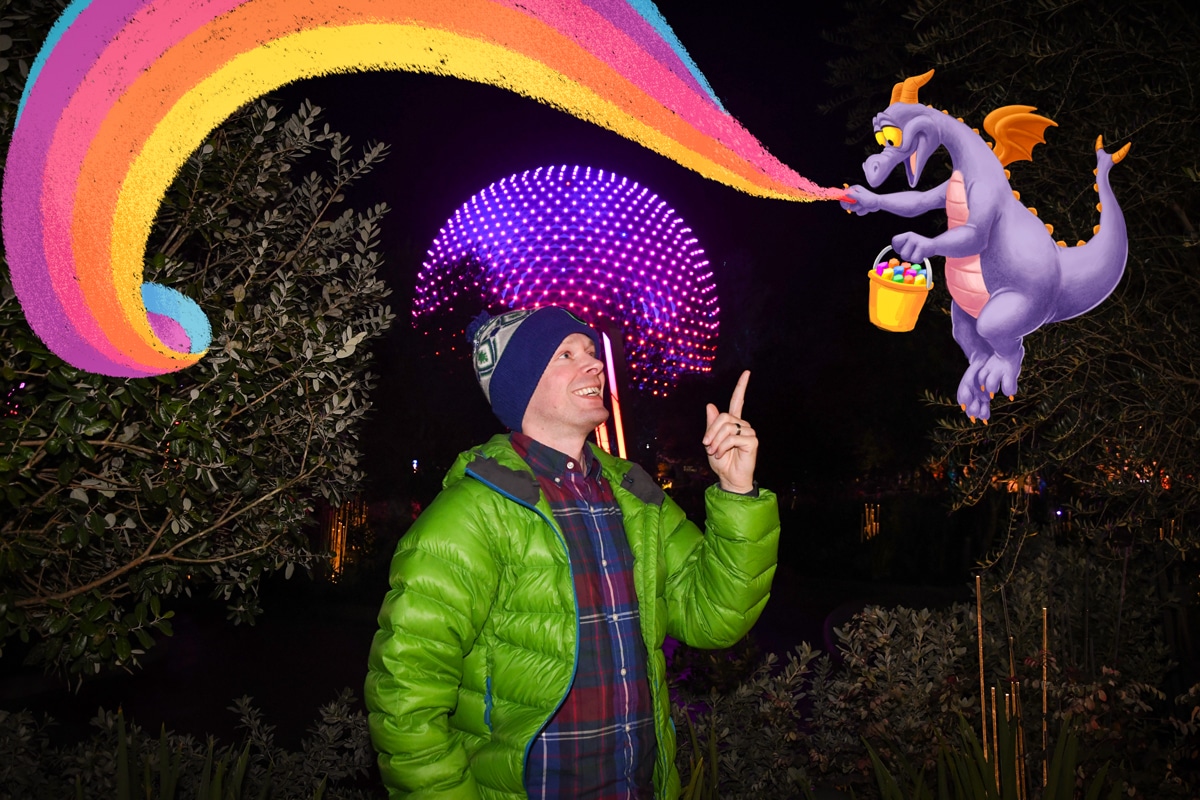
Childless Disney Adults are the most hated people on the internet. This has become cliche, and strikes me as mildly unfair. Surely the Taliban, Epstein associates, those twin brothers who fight retired boxers, and travelers with stinky feet who remove their socks on airplanes are all worse.
For the better part of the last decade, hating on Disney Adults has been all the rage. The last time we discussed the topic in a dedicated post was in A Childless Millennial’s Guide to Disney, back in Summer 2019. That was written as an indirect and joking response to a viral Facebook post in which one mother ‘bravely’ stood up to the scourge to humanity that is adults without kids visiting Disney.
As we noted back then, editorials proclaiming that childless millennials going to Walt Disney World are weird were nothing new. It had already long been an increasingly common topic, and a tried and true tactic for outlets to garner clicks, including from Disney fans who were hate reading. In the 7 years since, the term has ‘evolved’ from Childless Millennial Disney Fans to just Disney Adults, which is probably because there’s a whole new generation of Disney fans without kids who are younger than millennials.
Before we get going, I want to point out the obvious and make clear that our perspective on Childless Disney Adults has not changed in the last ~7 years. Given all that has happened in the intervening time, “let people enjoy harmless things that make them happy” feels more appropriate now than ever.
And even though we’ve become parents in the time since, we spent nearly two decades in the trenches as Childless Disney Adults. We are still diehard fans who understand and identify with many of the defining characteristics of Childless Disney Adults (or in our case, just Disney Adults).
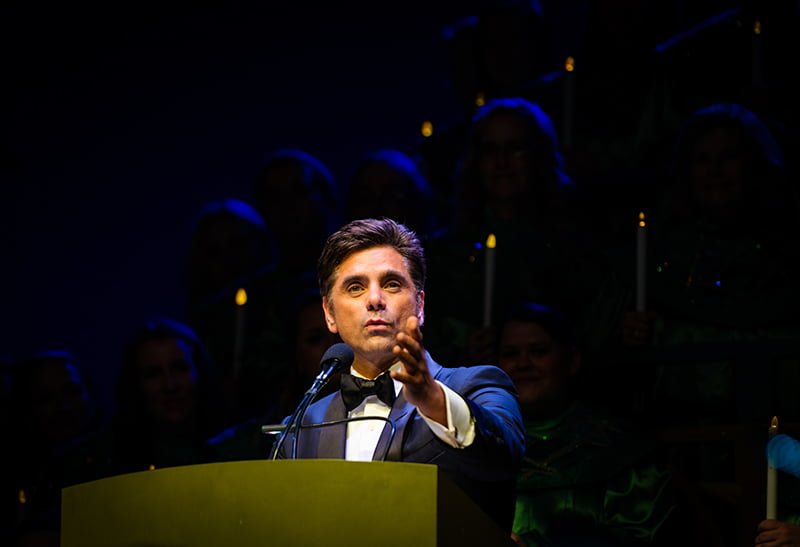
Honestly, more than anything, I’m surprised that this is a topic that warrants revisiting in 2026. For one thing, fandoms have proliferated and become increasingly mainstream, Disney included. Personally, I don’t mind being included in a club that counts Ryan Gosling, John Stamos, Neil Patrick Harris, Ariana Grande, Chris Evans, and Vanessa Hudgens as its members.
For another thing, the degree to which it’s still somehow socially acceptable to ‘pile on’ to Disney Adults is, ahem, curious. I guess social norms about acceptance and so forth don’t apply when the subject is a group believed to be “deserving” of derision. They (or we) are not actually equivalent to the Taliban, despite what some commentators might suggest.
According to social media and the throngs of viral articles, Childless Disney Adults are weird, privileged, socially-awkward, sheltered, selfish and/or self-indulgent; they’re obsessive fans who refuse to face real life and responsibility, choosing instead to remain ensconced in the familiar and comforting bubble of escapism offered via Walt Disney World and Disneyland.
Allegedly, Childless Disney Adults monopolize theme parks that actually are aimed at small children, often at the expense or at least to the detriment of families with young kids. If you’re a certified Childless Disney Adult hater, you can insert more derogatory and demeaning language as you see fit; they won’t be anything worse than what we’ve all heard countless times in the past.
If you want to distill all of that down, you could say that Childless Disney Adults are the real life personification of Peter Pan Syndrome. Before we discuss why Childless Disney Adults are mercilessly mocked, it’s probably worth at least touching upon what prompted this post, which is (another) indirect response to (another) new article deriding Disney Adults.

The latest article to go viral combined two topics that are catnip for critics: the dreaded Disney Adults and going into debt for Disney trips. It’s an alchemy of outrage-inducing subjects so shrewd that you’ve really gotta hand it to ’em.
After seeing the article in question plastered all over my feeds, I gave into temptation and started reading. I made it only a few paragraphs before recognizing that it was a human interest article with no there there. (If you’d like to read it yourself, a quick Google search for Disney Adults and debt will take you there. I’m not giving it more oxygen with a link.)
My unprofessional opinion is that going deep into debt for travel or a hobby is a very bad idea. But with household debt reaching a record of $18.8 trillion and credit card balances hitting an all-time high of $1.28 trillion per the Federal Reserve Bank of New York, a lot of people are taking on a lot of debt for a lot of reasons. Those trillions of dollars probably aren’t all on Disney stuff. (If so, the stock would surely be performing better.)
Frankly, this is my issue with so many of these pieces. The exact same article could just as easily be written about literally any fandom that involves obsessiveness, addictive behavior, and spending…which is pretty much all of them.
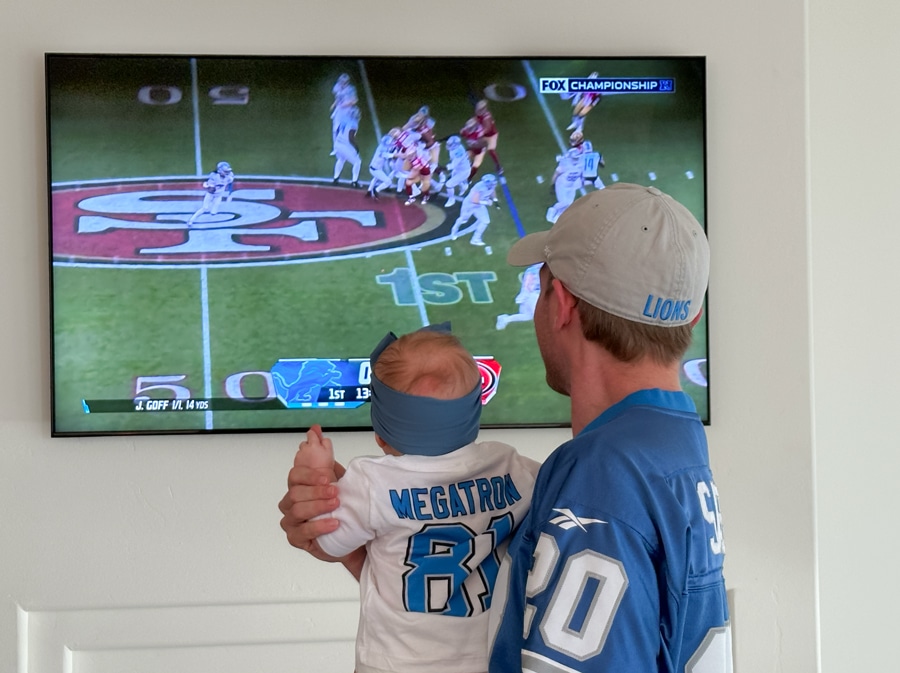
For instance, in addition to being a diehard Disney fan, I’m a big Detroit Lions fan. I see social media conversations about spending on season tickets, merchandise, and more that might raise eyebrows among outsiders. This isn’t unique to Lions fans, nor is a fixation on fantasy football drafts and rosters, the explosion of online sports betting, etc.
There are undoubtedly fans with unhealthy obsessions (arguably all of us who have been in the fandom since the 90s!), and when the Lions inevitably go to the Super Bowl, a huge number of fans will go into significant debt to be there. And yet, I am confident that no think pieces will be written about that phenomenon.
In my life, I’ve been a fan of a number of things, from bands to video games to authors to filmmakers. Every single one has its share of acolytes who devote a large amount of time or money (or both) to their fandom. But for the most part, even the most hardcore fans are harmless. And the same is true with adults who have an affinity for Disney.

So why, if every fandom has this dynamic, and articles could just as easily be written about Trekkies, Mario lovers, Potterheads, WWE enthusiasts, or fans of any professional sporting team, do Childless Disney Adults receive outsized attention?
I have a few guesses. The first is sort of hinted at above, which is that it’s a tried and true way to get views. Mainstream media figured out the formula long ago, and knows that both those who dislike Childless Disney Adults and those who are Childless Disney Adults will read or hate-read, as the case may be.
But in order for that to work in the first place, there has to be an appetite among the public for such pieces. I would posit that this exists for Childless Disney Adults in large part due to exposure. It’s partly a self-fulfilling prophecy, with more articles begetting more articles.
Honestly, I’m surprised that this formula still works a decade later. Perhaps rebranding from Childless Disney Millennials to Disney Adults has helped sustain interest? I figured this whole subject would’ve been played out years ago.
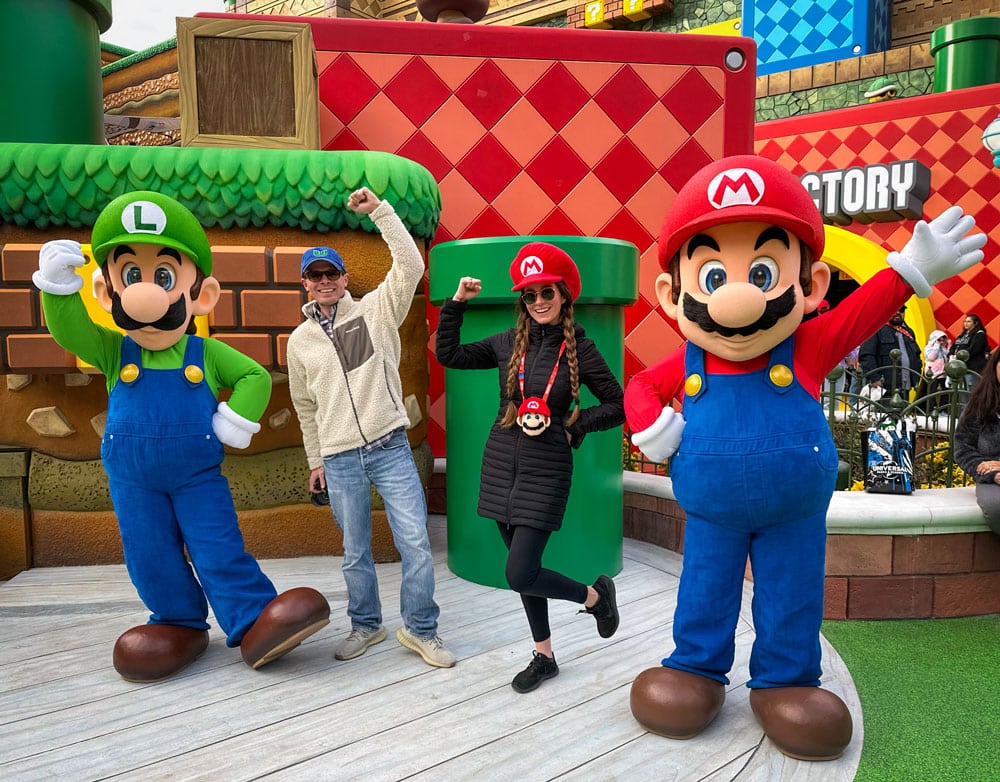
There’s also the fact that the broader public has a greater degree of exposure to Childless Disney Adults than they do to other fandoms. The parks are a physical destination, and unlike conventions for other fandoms, they draw tens of millions of members of the general public in addition to fans.
It isn’t just seeing them firsthand ‘on location.’ Disney Adults are also highly visible via social media, and that often presents exaggerated outliers to the general public as if they’re representative examples. Imagine if your only exposure to NFL fans was the social media accounts of the ones sporting face paint and elaborate costumes. I’d be afraid to ever attend a Raiders game, expecting a post-apocalyptic Mad Max style scene.
Some hardcore fandoms are almost entirely underground, comparatively. Unless you yourself are really into Star Trek or Zelda or Doctor Who or whatever, there’s a good chance you won’t encounter those fandoms at all. And if you’re into those things, you probably won’t be hypercritical of the fandoms (unless it’s for gatekeeping purposes). The biggest exception to this is a more visible fandom like Swifties, and it’s probably not coincidental that they stir up similar ire among the general public.

Childless Disney Adults are also an easy target. If you’re not part of the in-group, it can be fun to punch down. There are a ton of different ways to identify them as “problematic” (see the above incomplete laundry list), and distinguish them from yourself. At least your hobby isn’t bad like that!
It sure beats being introspective and recognizing that everyone has unique interests that could be construed as eccentric or quirky from the outside. And that pretty much anything taken to the point of obsession can be unhealthy.
Nevermind having the awareness to realize that there’s also nuance with Disney Adults, just as with all fandoms, and the extremes are more attention-grabbing but atypical; they are not reflective of all or even most adults who visit the parks without children.

Finally, there’s the belief that the existence of Disney Adults is detrimental to families. That those without children are clogging up lines, creating crowds, contributing to price increases, etc., at destinations where they shouldn’t be the dominant demographic.
A big part of this is the pervasive perspective that Disney has abandoned young families in favor of adults. Supposed examples of this include the proliferation of bars & lounges, more intense roller coasters with height restrictions, an increased focus on adult toys and merchandise (e.g. popcorn buckets and Spirit Jerseys), removal of playgrounds, and more upmarket product offerings aimed at adults (or at least, guests with more disposable income).
It’s fair to say that Childless Disney Adults present a growth opportunity for Walt Disney World and Disneyland. Otherwise known as DINKs in the real world, this demographic has disposable income, and often a lot more of it than do young families, since they don’t have the expense (in time or dollars) of kids. So it’s fair to say that a pivot is occurring to some extent and guest demographics are shifting, but this is true to a much broader extent than Disney.

This is actually a fascinating topic, and we’ve touched upon it in several posts, including in Disney’s Positive Changes Aimed at Attracting More Middle Class Families. Where it loses me, though, is the notion that the DINK demo is detrimental to young families.
To whatever extent that there’s tension within the fandom between families and couples or solo guests, it strikes me as unnecessary, unproductive, or misdirected. Adults also enjoying Disney is not the actual problem, nor is their increased presence in the parks.
The argument we’ve made, repeatedly, is that Disney can and should attract both. It doesn’t have to be either/or, and Disney has demonstrated that with recent special offers (e.g. kids eat free, 50% off tickets, etc). That per park annual attendance is still millions below 2019 levels is proof that this “why not both?” approach is doable.
Disney aiming upmarket is worthy of analysis, but it’s a different topic. And it’s a trend happening in the travel and hospitality industries as a whole, and is almost incidental to the ire aimed at Childless Disney Adults. At least, I haven’t seen it as the focus of these articles.

One of the big reasons I assumed the appetite for articles about Childless Disney Adults would evaporate is because, quite frankly, none of them have anything interesting to say. Ironically enough, the pieces are as utterly devoid of substance and as vapid as they claim their targets to be. Once you’ve read one, you’ve read them all.
This is unfortunate, because there’s probably a fascinating psychological, sociological or anthropological approach to the subject. I would love to read something like No Sense of Place or Bowling Alone, but written through a Disney lens. Humans are inherently social creatures, biologically wired to seek connection and belong to groups. If we are losing that in some aspects of our lives, it would stand to reason that we’re seeking it elsewhere.
There’s probably an academic article that could be written about the secularization of society, and how people have filled that void with Disney. Or how eroding trust in institutions has resulted in people turning to brands like Disney as pillars for their belief systems; the whole DeSantis vs. Disney kerfuffle is probably an illuminating case study. Those are just a few of many worthwhile angles that could be explored. None of them would be uncritical puff pieces, but nor would they be incurious ragebait.
It would also be fascinating to parse the various subcultures within the fandom, as there’s a wide array of reasons why Disney resonates with different people. Disabled guests, themed design enthusiasts, and animation appreciators (just to name a few) all have wildly different reasons for being drawn to Disney.
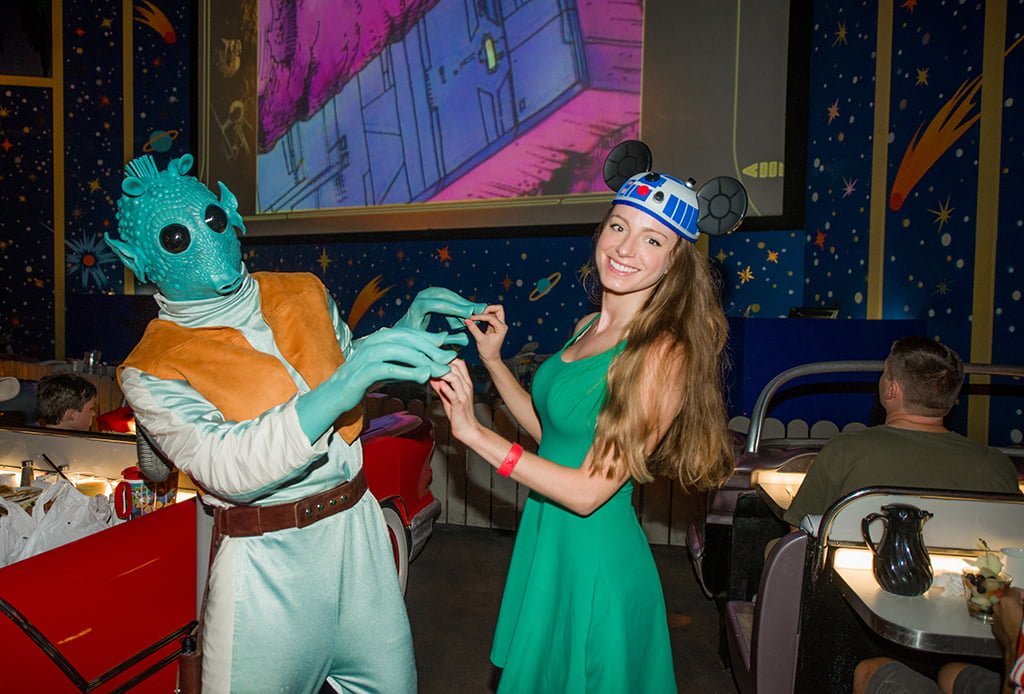
Even as a Disney Adult, I would be fascinated by actual deep dives into the topic. I’d hazard a guess that most diehard fans recognize that it’s possible to have an unhealthy obsession or relationship with something, and develop a cult-like reverence for the company. Just as is possible with literally any fandom or hobby!
It would nevertheless be interesting to read a deconstruction of what, if anything, makes Disney fandom unique in this regard. Because as a layered fandom with a huge flywheel of passive and participatory products, there are ways that Disney does differ from something like Star Trek, NFL teams, bands, etc.
Instead, we’ve been treated to junk-food journalism that can generally be boiled down to “Childless Disney Adults are all weird and creepy. Let’s take the most extreme examples we can find, portray them in the worst light possible, and paint with a broad brush to demonize the rest of the fandom, so we can point and laugh at them, while reassuring ourselves that our hobbies are much more sophisticated and (actually) adult.”
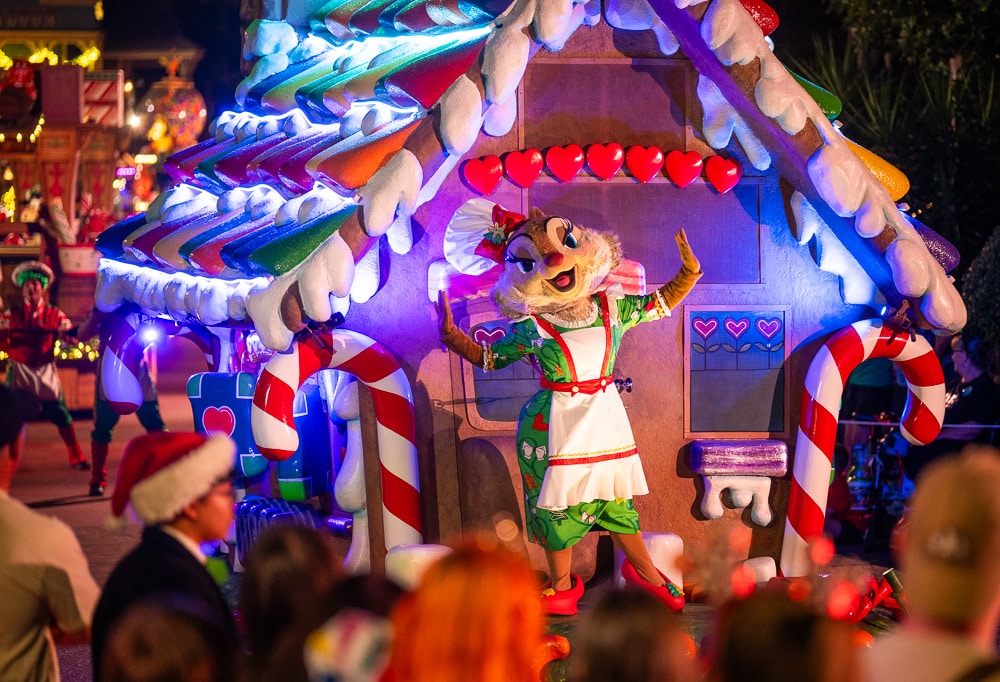
When this is the core “thesis” of these pieces, it is thus no wonder that Disney Adults reflexively recoil against them. No surprise that we become defensive, pointing at the many obvious and abundant ways that the product can appeal to (or is even aimed at!) adults without kids.
If this article were a sincere response to those pieces, we could devote thousands of words to dissecting the meticulous level of Imagineered detail that goes into the parks, much of which is over the heads of children. We could list the world-class dining, bars, and entertainment aimed squarely at an older demographic. We could showcase resorts, spas, golf, recreation, etc., that is not for kids.
We could rattle off a few Walt Disney quotes, discuss the motivation for and origins of the ‘Vacation Kingdom of the World’ and EPCOT Center, or even reiterate our argument that Walt Disney World is America’s Best City. All of that might be reassuring, but it’s unnecessary. If you’re an adult fan of Disney, there’s presumably a reason for that, and you don’t need to be reminded of what that is.
This is not a substantive rebuttal in part because it’s being written on a website called Disney Tourist Blog, so it would be preaching to the choir. More importantly, because there’s no point in offering a sincere rebuttal to arguments made in bad faith. The mainstream articles in question are not attempting to analyze or understand. They exist for the purpose of pointing and laughing, identifying a group and ‘othering’ them so their readers can claim superiority. (And, of course, garnering clicks.)
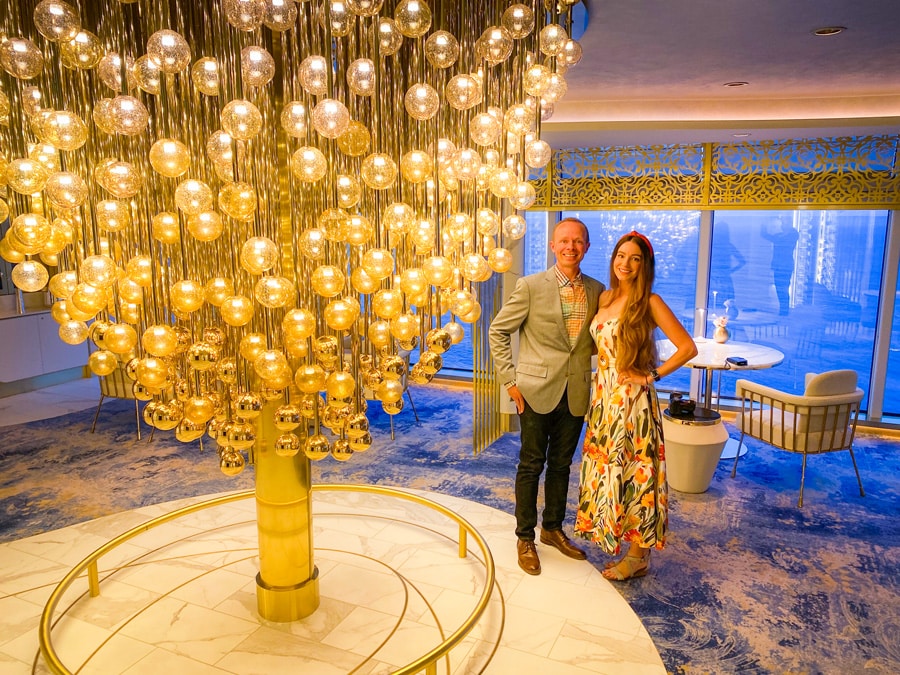
As a fandom, we need to come to terms with the reality that we are the internet’s favorite punching bag.
Articles like the one in question aren’t going anywhere any time soon. However, every hate-click or hate-share is still a click or share, an act that helps guarantee that another such article will be written. I’m cognizant of the fact that this post also only helps further fan the flames, which is why I’ve ignored the other 1,358 articles over the last 7 years.
There’s no winning this ‘argument’, but you cannot lose if you do not play. Perhaps naively, I’m mostly hopeful that this blog post sparks introspection. Not necessarily about what makes our fandom tick, although that wouldn’t hurt. More importantly, that we don’t have to take the bait every single time.

Maybe I’m just getting older (wiser???), but I don’t have the energy or patience for arguments I perceive as being in bad faith. Not everyone has to approve of my hobbies. I have a bunch of silly interests, that are deeply unserious as compared to studying Socrates or quantum mechanics. No one seems to bat an eye at the other dumb ones that aren’t Disney, though.
With that said, “let people enjoy things” cuts both ways. Which is to say that you don’t need permission from anyone else to have hobbies. You are not obligated to justify enjoying this or any other fandom, helping others understand the appeal. They say that “living well is the best revenge,” but I prefer it a bit colder of a response to the critics who feel sorry for us: “I don’t think about you at all.” (Well, except I did just write this whole diatribe. Minor detail. Starting right now…back to not caring!)
Planning a Walt Disney World trip? Learn about hotels on our Walt Disney World Hotels Reviews page. For where to eat, read our Walt Disney World Restaurant Reviews. To save money on tickets or determine which type to buy, read our Tips for Saving Money on Walt Disney World Tickets post. Our What to Pack for Disney Trips post takes a unique look at clever items to take. For what to do and when to do it, our Walt Disney World Ride Guides will help. For comprehensive advice, the best place to start is our Walt Disney World Trip Planning Guide for everything you need to know!
Your Thoughts
What do you think about this whole ‘childless adults doing Disney is weird’ thing? Think we should just ignore it, or try to “beat” the stereotype? Do you agree or disagree with our commentary? Any questions we can help you answer? Hearing your feedback–even when you disagree with us–is both interesting to us and helpful to other readers, so please share your thoughts below in the comments!
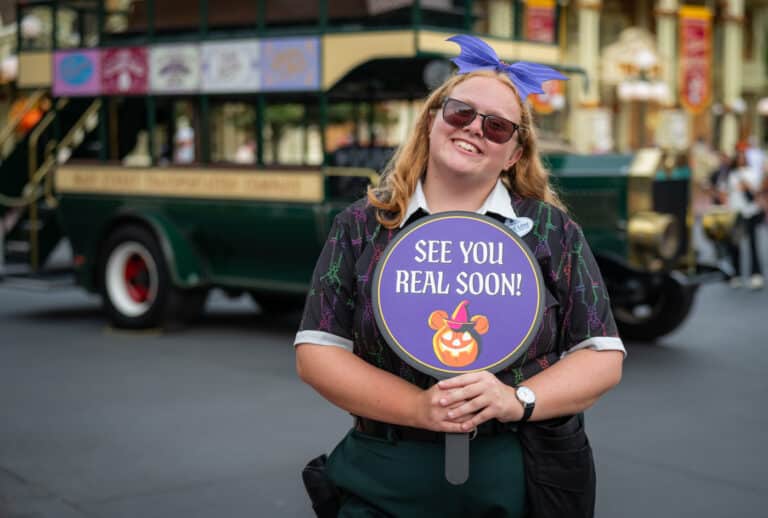

Why do they say all Disney adults are devoted. You would be an adult fan if you still liked Disney over 18. This makes no sense. Internet is stupid.
I feel DINKs/Empty Nester Disney adults consume high end, expensive, adult focused content (alcohol sales, fine dining, luxury hotels etc) that help supplement family, value offerings. If Disney didn’t have luxury sales, and silly popcorn bucket sales etc, Disney would be even less affordable for that once in a lifetime family trip. Do I feel part of the hate is jealousy? I do. But I think it’s more ‘you can afford to do Disney multiple times’ jealousy.
Should Disney Adults add back to the magic – yes, that would be great! Try not to be jerk about your (our) entitlement. Wish happy birthday, welcome to Disney, give a pin to a child, let someone else go right at Guardians, and don’t say the joke before the Jungle Cruise pilot!
Love this response and I agree completely!
Couldn’t agree more! I always arrive early to get a great spot for the parade, only to give it up to a little kid who arrived later so he/she can have a more magical experience. : )
My grandparents had dear friends who lived in Anaheim. I associate them with the park as much as I do Pirates or the Jungle Cruise. The wife of the couple loved dancing, but her husband didn’t, so she would dance in Disneyland. There was a ticket just for the evenings, and she had fun with the same group of people each weekend. All adults like her, whose children were grown and on their own.
A woman who worked in munitions factories in WWII, I doubt anyone would consider her “childish”, and she never bought Mickey ears or light sabers. As a child, one of the things I loved best about Disneyland was that it was fun for my grandparents and parents as much as it was for me and my little brother. It was designed for adults as well as children from the beginning, that’s what family friendly meant. The older kids in Videopolis didn’t bother me as a child, and I doubt kids are bothered by teenagers and retirees now.
Assuming things are for kids only can also be problematic. If there are adults who like character meals, let them eat cake. When I was 12 and my brother 9 it seemed like the last thing we wanted to do, and my Mom happily gave up the reservation. When I was 4 my Mom took my picture with “Cinderella”, and I told her “it’s just a costume. Cartoons aren’t real.” My favorite places to eat were the Blue Bayou and the River Belle terrace. My mom took me to see “The Fantasticks” when I was 6, and I loved it so much she took me to the little theater for almost every show. Children can enjoy sophisticated things, and adults can be goofy. Keeping children away from “adult” things like art and food that contains vegetables and spices doesn’t help them to develop. And adults who eat corn dogs and watch Frozen are not absolving themselves from adult responsibilities any more than I am when I play Psychonauts 2 for the tenth time, or a journalist when they’ve had their third glass of Chablis while listening to Charlie Mingus records. Their sixth glass, maybe.
This reminds me of that episode in The Imagineering Story about the opening of DLP, and the parks management seeing stiff-necked Parisians loosening up a bit and dancing in the darkness as the parade went by…or similarly the rigid behavioral norms of Japanese society softening and park-goers relaxing and just having fun in the parks for a respite from their normal days. Once you realize the tens of thousands of other people in the parks don’t know each other and you almost certainly will never see each other again, it becomes much easier to let your guard down a little and just have some fun no matter how old you are. That’s the point of vacation in teh first place, to relax!
This therapist is doing deep dives on Youtube: https://youtu.be/UsCooeRJOi4?si=zxdxEH9SXfHxrkXs
“You’re dead if you aim only for kids. Adults are only kids grown up, anyway.” – Walt Disney
And there is an article about Disneyland where he is stating only one out of five visitors will be children, the rest adults longing for an escape back to carefree childhood days.
If he understood that we can all find our inner child in the parks why the modern society couldn’t? If Walt Disney saw a 40-year-old on a carousel as a success, why does modern society see it as a problem?
Can we just talk about how to make it work for Everyone instead of being angry or see enemy in each other?
Well said.
Announcer: Hey, your daughter just got married and now you and your wife are empty nesters. What are you going to do now?
Me: We’re going to Disney World!!!!!
We raised our daughter with regular trips to Disney. Now it’s just the wife and I. I’ve never judged anyone for being at Disney without kids. I’ve never felt judged. I feel like this whole topic is just internet rage by people with no lives. All you small, unhappy people go right ahead and judge. I. DO. NOT. CARE. Okay, I have to go. I’ve got a lightning lane pass to use for Cosmic Rewind and a fireworks show to catch.
I feel the same, have never had any problem with judgyness either way either!
I don’t think small children are going to be going on the attractions that I like. And I never cross the border into fantasyland……
I agree with you, we adults can enjoy Dinsey but also appreciate that watching the kids have fun can bring joy as well. I am an Adult that is child free, not because I did not want kids but beacuse medically I cannot have them. Does this mean I should not enjoy Disney in all its facets? I go there and enjoy myself. If someone is disapproving that is on them, and “none of my never mind” GO DISNEY ADULTS!!! lol.
The sports fandom vs. Disney fandom argument is interesting because one of them is seen as a more male hobby and the other is seen as a more female hobby. (Of course there are female sports fans and male Disney fans, but the people writing these smear articles love to generalize!) The part they won’t say out loud is that men can have hobbies, but women should have children.
The people who are lamenting the falling birth rate are the same ones who get all worked up when they see a woman in mouse ears without a baby on her hip.
Elizabeth you are spot on.
THIS. One million times this.
There’s also the fact that Disney is not only a multi-billion-dollar conglomerate, but has positioned itself as the cultural symbol of the American capitalist establishment. Given that anti-establishment sentiment is pervasive, at least online, on both sides of the political establishment, anyone giving money to Disney without at least a semi-understandable reason (having kids or being a Marvel and (maybe) Star Wars fan) is immediately considered suspect.
*spectrum, I mean.
Speaking as someone who has lived their entire adolescent and adult life floating between the deep interior and the outer periphery of the Disney fan community online, I think that there are a great deal of true and valid criticisms that can be leveled at Disney fans; adult Disney fans in particular. I also think that none of the famous clickbait articles ‘criticizing’ adult Disney fans have come anywhere close to any kind of accurate criticism. The discourse on the subject has always been hopelessly vapid and vacuous, borne of a barely surface-level understanding of the modern Disney phenomenon and its faithful. Because the common criticisms are so empty, the typical defenses also ring hollow; this article included. Like, what on earth are you even trying to say here, Tom? “Let people enjoy harmless things that make them happy,” really? This assumes that Disney is harmless. Harmless for whom? Surely not for the scores of Lake Buena Vista wildlife cowering in terror at the nightly Magic Kingdom fireworks; surely not the women at Pixar accosted by John Lasseter; surely not for anyone who bought DIS stock early in the Bob Chapek years; surely not for the fans who truly do go into debt chasing dreams and delusions. And the assumption that Disney makes people happy is also suspect. Happy how, and for how long? What is the value of a capitalist happiness that only really continues in earnest so long as one keeps lining the Disney coffers, engaging with the continued stream of content and updates and storytelling? What happens when the stories that used to make you so happy, the Toy Stories and the Star Warses, for example, start using their continuing installments to push you aside, in line with the shifting political values of the company? Disney is not harmless, and Disney is not happiness. Disney is Disney, and those who engage with it do so at their own risk, for their own relative reward. Childless, millennial, or otherwise, adult Disney fans are adults who should know better, but society has failed them on a grand scale, so they don’t. I didn’t, and haven’t. This is not my fault, nor Disney’s. It’s the fault of a broken society that allows Walt Disney World to be well and truly (you’re right about this one, Tom) America’s best city. This is not an endorsement of Walt Disney World: this is an indictment of America.
Funny how gay Disney travelers aren’t mentioned.
I usually don’t publicly admit that I’m one of those “weird childless Disney adults”, but the conversation came up at work recently… my coworkers were curious, and maybe in their minds formed an initial opinion, but when I then launched into 15 minute diatribe on the evolution of animatronic joint articulation, they got the point and let me be…
I think the most important thing is simply to remember that all of this is for the kids. Its not for adults, but it ALLOWS adults to suspend belief and be a kid again. Or to help make some other child’s dream a reality (looking at you Nico with the pins and stickers). We should remember that for the kids, it really is a once in a lifetime event and they aren’t having to suspend belief. For their parents, it is FOMO because their child’s wonder at 2/3/4/5/etc isn’t the same thing as the teenager who can’t believe they have to go to Disney (blech). And so, seeing a stressful situation a parent is in, we can for a moment feel what its like to be a castmember and try to help brighten their day. For instance, tired parents in 7dmt, but you know how to amp up the kids and work together to unlock Snow White (I did this, all were amazed including parents). Little things like clean up your language (spoken and worn), have a positive attitude, don’t litter (and pick it up if you see it). Its a magical place because a kid is in their dream. We don’t fight/argue/litter/etc in dreams, thats for nightmares. I went as a kid, made me want to go and share as an adult and now to bring my own kids.
Final note, what if Disney did a 9 and under before 9am rotating days? Let the kids get on as many as they want and then they burn out by 3 anyway. Something just for kids could be cool.
My husband and I will be celebrating our 50th wedding anniversary next year by spending 2+weeks at Disneyworld during the Christmas season. We’ve been many times with and without children and grandchildren, but prefer the times it is just the two of us (hope our family doesn’t read this). We assume we aren’t “trouble” while we’re there, and enjoy the whole atmosphere, and being surrounded by people of all ages.
.congrats !!! on your anniversary… My husband and I honeymooned there in 1980… and have been back dozens of times…
Some non-Disney folks may be under the wrong impression that Walt Disney built his park for kids…but we know that it was built for kids and their parents equally. But WDW was built to be even more adult-oriented. Golf courses and water sports were among the very first activities built in his new resort. With luxury hotels, dining, shopping and lounges throughout, today’s WDW is no more of a kid-only experience than a day at the beach.
Well, what you say makes sense but again, I think it just comes down to respect. If anyone is respectful of others their age doesn’t matter.
To me it’s still amazing and I am still in awe when I meet characters. Obviously I don’t push little kids out of the way, but I wouldn’t push adults either
Not to mention, Walt was a bit of an eternal kid himself. He had a miniature working railroad at home, and planned the park version with gusto. He kept an apartment over the firehouse in Disneyland. He loved this stuff. It wasn’t that he merely stood patronizingly by watching kids love it. And you’re absolutely right. Some features are clearly not really aimed at children.
Walt’s vision was to have a clean place where families (i.e. ‘people’ these days) could enjoy spending time together without the seedy elements of the shoddy amusement parks of the day. Escaping the vagaries of the outside world for a short time was the rule, not a byproduct of his vision. I am for all people enjoying the parks the way they want to, as long as it doesn’t detract from others’ enjoyment of the place. Whatever anyone thinks about anyone else in the parks is completely irrelevant.
Yes, Walt’s vision was partially created from his own austere upbringing, with his father’s flawed world view. Modern politics has become a game for some, and a simple means to make money for others, so let’s leave that out.
Isn’t it down to the actions people take rather than just existing? As a former disney adult who now has a child, I don’t automatically dislike anyone at Disney without a kid. What I’d dislike is if someone pushes me out of the way when I’m walking with my child so they can see something they could see otherwise. But I don’t see someone at the park and automatically hate them…thats insane and also just going to create a situation that likely wouldn’t have ever occurred.
Agreed!