
Is Lightning Lane Multi Pass Worth It at Disney World?
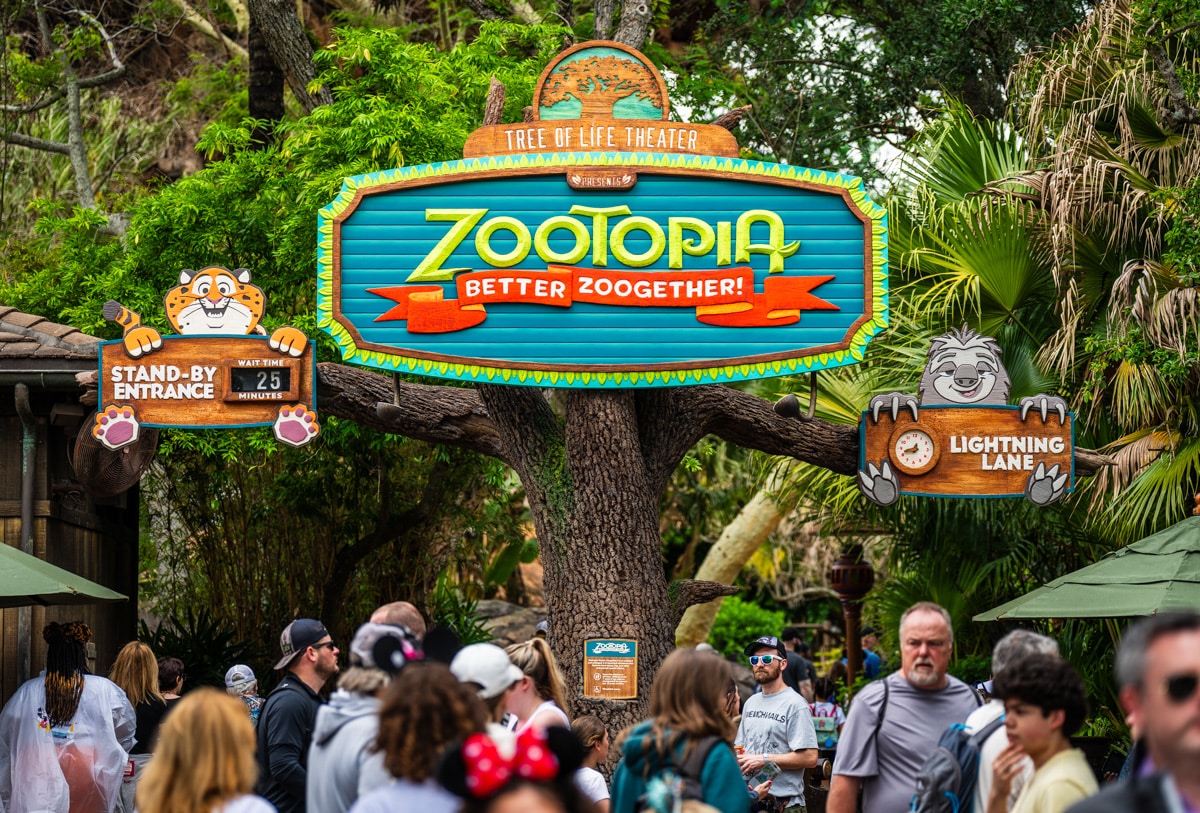
Changing crowd levels and ride reservation allocations have resulted in a different value proposition for Lightning Lane Multi-Pass at Walt Disney World. This looks at wait times for standby lines, LLMP availability, plus our experiences to explain how things have changed in 2026 and help you determine whether Lightning Lanes are still “worth it” or if sticking to free standby plus savvy strategy is good enough.
Wait times are down at Walt Disney World on a year-over-year basis. This does not mean that wait times are low–it means that they’re, on average, lower than the same time frames as last year. Meaning Spring Break 2026 was still slammed, but not as slammed as last year.
Thus far, Summer seen even a more pronounced slowdown. June has been the least busy month of 2026, beating May for that title with a 2-minute average decrease in wait times. June 2026 is also down versus last June by 3 minutes. It’s likely July 2026 will be even slower than June, as has been the case every single year since 2022.
If recent trends hold, next month could be as slow as last September. That currently has the lowest average wait times of any month in the last twelve, as post-summer is usually the slowest two-month stretch of the entire year. With wait times this low, I personally would not purchase Lightning Lane Multi-Pass, and in fact, I have not in any of my park days in the last two months. Earlier in the year was a different story.
As we often point out, crowd levels are determined by wait times. Those are an imperfect measure, but the only worthwhile one, and are not the same as ‘feels like’ crowds or congestion. The latter is more comparable to attendance (still imperfect, but closer). Basically, wait times don’t tell the full story. When it comes to whether you should buy LLMP, they’re arguably all that matters, though.
Disney executives have indicated that attendance is down slightly at the domestic parks in 2026 (about 1% across both coasts). Walt Disney World wait times are down even more, though. Our theory to explain the discrepancy is that lower use of the Lightning Lanes is the primary driver of lower standby wait times.
Fewer guests are skipping the line, and are instead in the regular line (or doing something else entirely). This would explain why the standby lines are moving more fluidly and why wait times are lower–because fewer guests are in the Lightning Lanes, being prioritized and pulled in front of standby lines.

Lightning Lane to Standby Ratio
Under Genie+ and FastPass, standard operating procedure called for a roughly 4:1 or 80:20 ratio of ‘fast lane’ to standby guests at the the attraction’s merge point. This meant that for every 10 parties boarding an attraction, 8 were pulled from the Lightning Lane and 2 were pulled from standby.
This was the baseline–the ratio only gets less favorable for the standby line! When there was elevated demand, Cast Members had the discretion to adjust that merge to a 90:10 ratio. From there, the ratio can be adjusted up even further, which only happens in the event of extended downtime and a backlog of Lightning Lane guests.
This is accompanied by an arbitrarily high wait time being posted to discourage guests from getting in the standby line. Because even though these guests might see a short line, it’s nevertheless a long wait. The whole goal is to process the backlog of Lightning Lane guests. None of this is anything new–these ratios have existed since the FastPass days.
That’s why standby lines can move at a snail’s pace with FastPass/Lightning Lanes, because those guests are progressing through the line slower. It’s (almost) all about the ratio. There could be 200 guests in the Lightning Lane and 50 in the standby line, but if the pull ratio is 90:10, the 199th guest in the Lightning Lane will still board before the 30th guest in the standby line.
My experience in the standby lines over the course of the last 18 months has definitely not been that 4 people are being pulled from the Lightning Lane for every one guest from the standby line. Anecdotally, the ratio is now fairly close to 1:1. That’s one party from standby for every party from the Lightning Lane.
This is not always the case. There are situations when the ratio can still skew in favor of the Lightning Lane. Sometimes heavily in favor of it. Walt Disney World operations still has a mandate to prioritize Lightning Lane guests and ensure their wait times are kept to a minimum.
If there’s a backlog of guests in the Cosmic Rewind Lightning Lane due to downtime or at Peter Pan’s Flight post-parade, those guests will still be processed first, tipping the scales back in favor of the Lightning Lane. In fact, ride breakdowns and post-entertainment rushes are the biggest disruptors to the regular ratio. (Never do standby shortly after a ride returns from extended downtime unless you can beat the rush!) During normal times, I’d ballpark it at 1:1.
I’m not the only one that’s been watching this. TouringPlans released their own field testing results, offering corroboration. They arrive at the same 1:1 conclusion, with a sliding scale of 2:1 and 3:1–still lower than the old model under FastPass. They also suggest that less park capacity has been set aside for Lightning Lane guests.
They conclude that the changes are great for guests in standby lines, resulting in shorter waits. I strongly agree with this–it’s pretty inarguable–and think it’s worth underscoring a few times. Standby lines are moving faster and the wait times are lower–that was literally our previous headline. A huge win for guests sick of upcharges.
However, their flipside conclusion is that guests using Lightning Lanes will have “marginally longer” waits. I could see how this inference might be drawn from the data, but my on-the-ground observations don’t really support this. From what I’ve seen, the opposite is true. On its face, that may not make sense. Ride capacity is what it is, so gains for standby come at the expense of Lightning Lanes–and vice-versa, right?
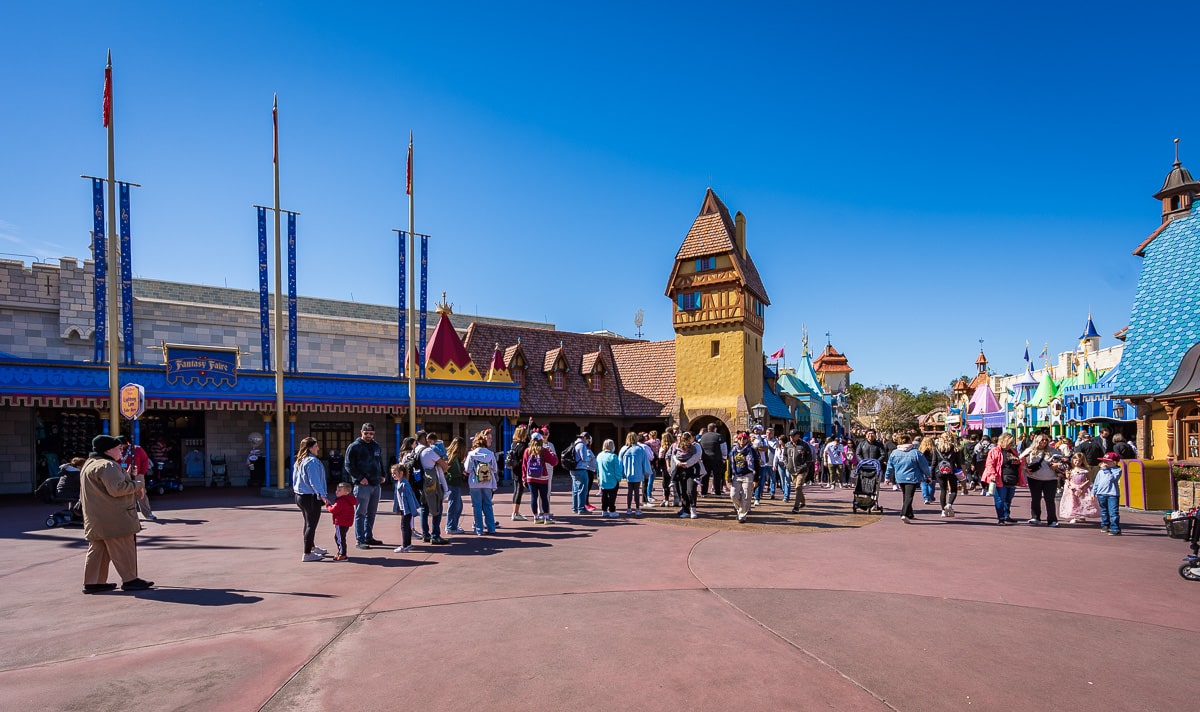
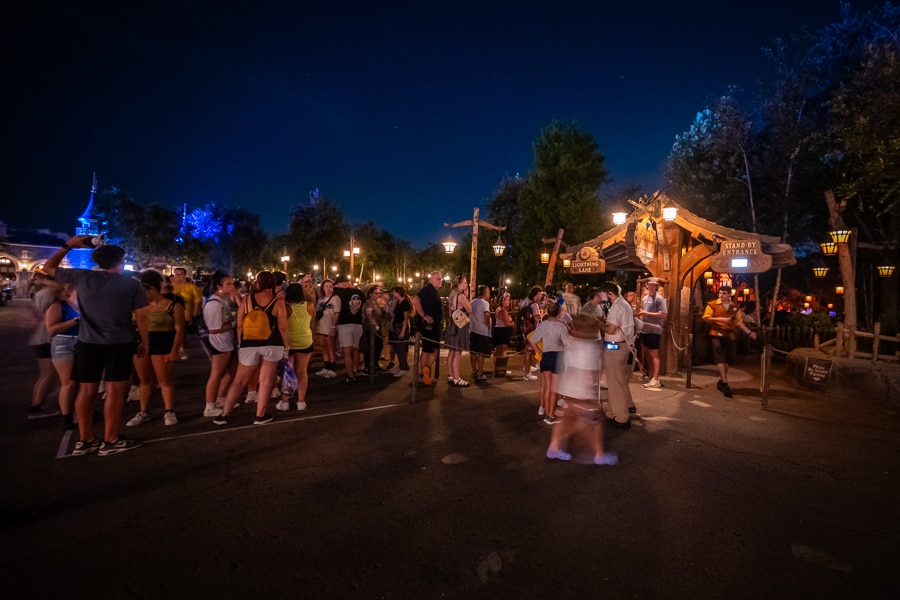
One way we can judge Lightning Lanes is by simply looking at them. There are several attractions that used to regularly use overflow queues for the Lightning Lanes. There were times when Peter Pan’s Flight would back up past PhilharMagic, Seven Dwarfs Mine Train would have multiple switchbacks (via tape on the ground), Space Mountain had a line out to the TTA track, etc.
This can still happen from time-to-time, especially on peak days or after rides return from excessive downtime. But it was previously occurring with regularity, even on off-season days. I haven’t seen Lightning Lanes consistently backed up in the last year-plus. It’s a night-and-day difference.
This supports an alternative hypothesis: what if instead of the ratio being changed to favor standby and increase waits for Lightning Lanes, that fewer Lightning Lanes are being issued in the first place? It’s not the tail wagging the dog. The ratio is not what changed first, but is an indirect byproduct of lower utilization of line-skipping. In other words, the change is supply side: fewer Lightning Lanes are being distributed.
The explanation for this is not Lightning Lane Multi-Pass or Single Pass having lower demand or sales than their predecessors. To the contrary, Lightning Lane Single Pass is selling out much more often than Individual Lightning Lanes did, even in low to moderate crowd levels.
We’ve observed higher demand and more limited inventory for Lightning Lane Multi-Pass and Single Pass. Several different Lightning Lanes fully book up in advance and have limited same-day availability, including some that never were difficult with the Genie+ system. As for the ‘why’ of this, our best explanation is heightened FOMO and FUD.
Since guests are no longer buying Lightning Lanes same-day, it’s more difficult to assess the need for them and adjust accordingly during your vacation. As such, there’s likely a tendency to “over-purchase” Lightning Lanes as compared to under the old system. (Another subject that’s beyond the scope of this post, but it’s worth reading our recent post: When You Should Skip Lightning Lane Multi-Pass.)

I’ve noticed this with regularity when field testing Lightning Lane Multi-Pass. Not just that time slots are filling up in advance and some rides are ‘selling out’ of Lightning Lane inventory several days in advance, but also that same-day drops are less common. (They still occur, you just have to work more for them.)
You can still leverage the rolling 3 rule if you put a little elbow grease into your refresh game, but it’s more difficult than it used to be. I would hazard a guess that the average guest (not you) is obtaining fewer worthwhile Lightning Lanes per day than before on moderate crowd level days at MK. We’ve also heard this from readers, many of whom are high-knowledge guests who have done “worse” with Lightning Lane Multi-Pass.
It’s also supported by thrill-data, which tracks Lightning Lane availability. It has decreased markedly in the Lightning Lane Multi-Pass/Single Pass era. All of this supports a conclusion that Walt Disney World has throttled Lightning Lane supply.
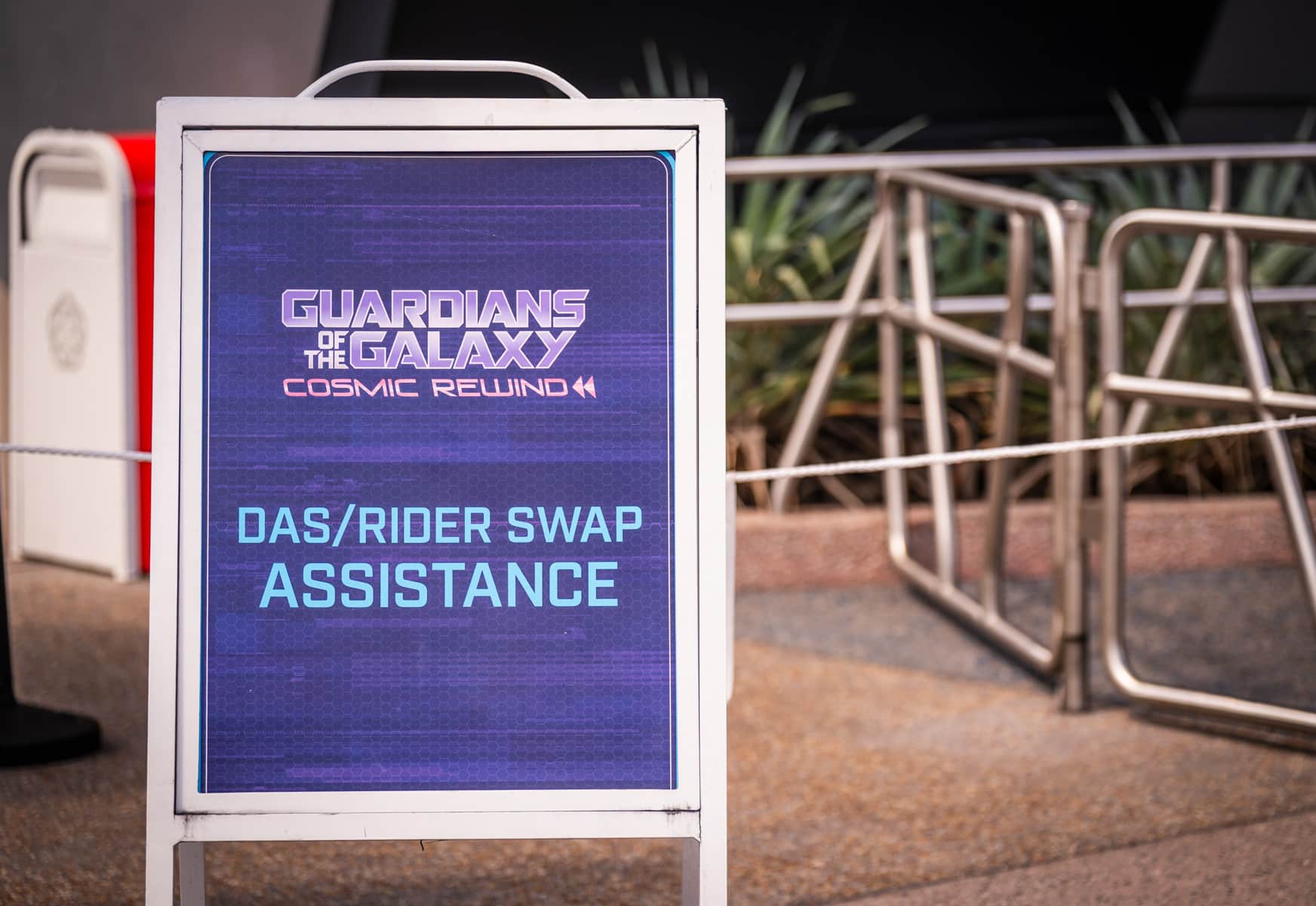
This isn’t occurring in isolation. It’s also been occurring alongside the overhaul of Disability Access Service to reduce abuse and misuse. It’s our understanding that this is what’s having the biggest impact on both wait times and decreased utilization of Lightning Lanes.
It’s all but certain that the DAS overhaul is one of the primary reasons for shorter standby lines and less Lightning Lane usage. Even prior to the overhaul announcement, we had heard that DAS usage had exploded and Lightning Lane utilization via DAS outpaced paid sales of Lightning Lanes.
Disney has been sued over accommodations for disabled guests in the past, and these stats have come out during discovery and testimony. A test study during that revealed that DAS users experienced, on average, 45% more attractions than those without DAS. And that study was under the old system that was harder to use and had less abuse.
Of course, the DAS overhaul is its own can of worms and none of this is a judgment about those changes. It is simply to point out that fewer Disability Access Service accommodations being granted (which everyone can agree is true) means lower Lightning Lane utilization. There are other contributing factors, but a primary driver of both lower standby wait times and shorter Lightning Lanes is undoubtedly DAS.

Availability we’re seeing in our field testing and data strongly suggests less inventory for paid Lightning Lanes, too. This is fascinating, because the DAS crackdown could theoretically yield the opposite: more inventory. And yet, that has not been our experience. It’s as if two big dials are being adjusted at once, and both in the same direction.
This is further reinforced by Lightning Lane Multi-Pass seldom selling out, which used to happen with regularity under Genie+. In all likelihood, this is because Disney is managing inventory for the Lightning Lanes, allocating fewer to each guest who is utilizing the system.
That kind of begs the question: if less inventory is being utilized by both DAS and by paid Lightning Lanes, where is it going? The biggest winner is guests in the standby lines. This is precisely why regular wait times are shorter (and also, not longer for guests in Lightning Lanes). They’re not the only ones, though! The cynics who are skeptical that Disney would ever do anything to “benefit” regular guests who don’t buy upcharges can breathe easy…

Another winner is guests who purchase Lightning Lane Premier Pass. This isn’t to say that they were really losers before, as that product offering has remained static since its launch. However, the marginal value for LLPP has increased since its launch.
This is only true when you compare product offerings, since Premier Pass itself has not gotten better. But if the average guest who buys Multi-Pass is only getting 4-5 “good” Lightning Lanes instead of all or most of them, the value of LLPP is not just in convenience, lack of screen time, etc. It also offers more utility than the alternative.
One might argue that this was the intended beneficiary of the other changes, with regular standby guests coming out ahead being a “happy accident.” Cynical as I might be, I actually would not make that claim. But you could!
In theory, it makes sense that Walt Disney World would want to differentiate its product offerings, throttling Lightning Lane Multi-Pass to some degree to improve the value proposition of Lightning Lane Premier Pass by comparison. However, Lighting Lane Premier Pass is a rather niche product with an exceedingly limited target audience.
Making Multi-Pass less useful is less likely to push people towards LLPP than it is to push them towards nothing at all–free standby lines. The cost disparity is the real hurdle for the vast majority of guests, not product differentiation. Volkswagen throttling the speed of the Beetle wouldn’t be a savvy strategy for pushing people to purchase the Porsche 911. That’s not how it works.
Is Lightning Lane Multi-Pass Worth It at Magic Kingdom?
It’s difficult to give an across the board answer for every park and every day. As noted towards the top, we haven’t felt the need to purchase Lightning Lane Multi-Pass at all in the last two months. We won’t in July through September 2026, either. Mid-October 2026 through April 2027 is a different story. Against that backdrop, here are some park by park considerations.
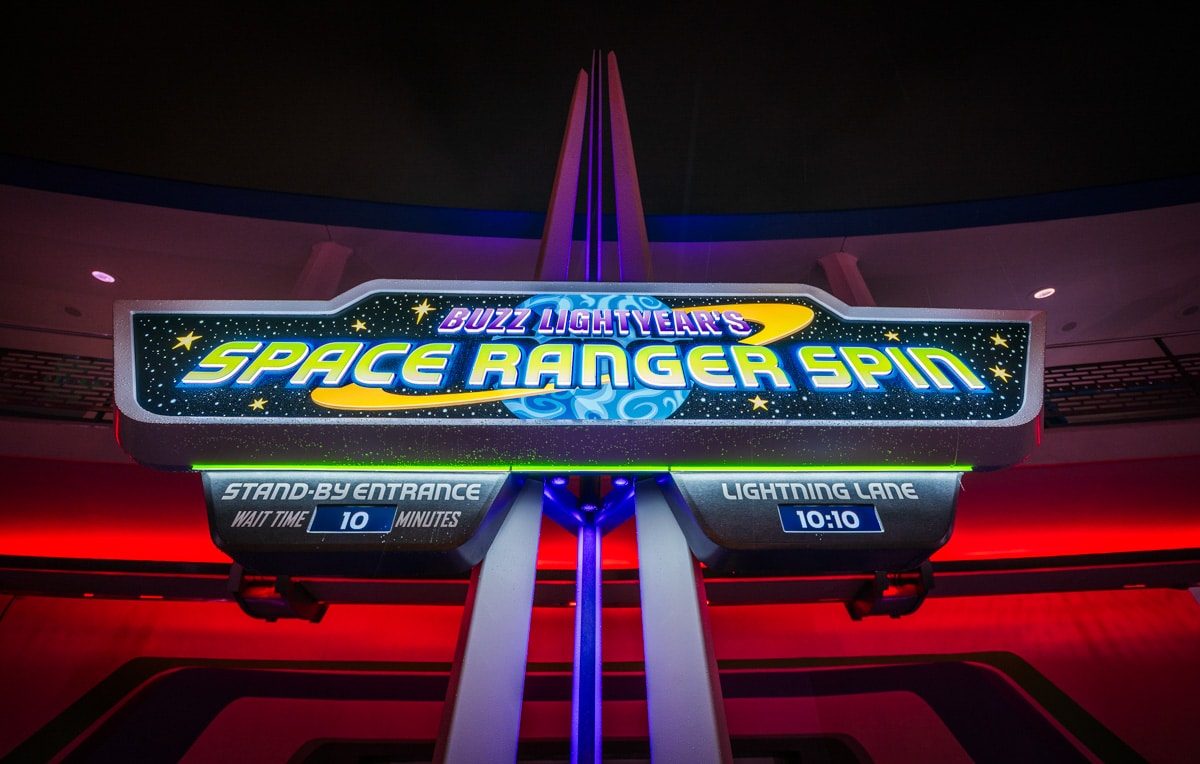
Magic Kingdom has gotten a better for Lightning Lane Multi-Pass. This comes in part thanks to improved reliability and uptime for Tiana’s Bayou Adventure, but is mostly about Buzz Lightyear’s Space Ranger Spin and Big Thunder Mountain reopening from lengthy closures, following a trio of refurbishments before those.
With Big Thunder and Buzz both back, Summer 2026 is the first time that Magic Kingdom has had every Lightning Lane Multi-Pass attraction online simultaneously for an extended amount of time since the switch from Genie+ to Multi-Pass. The end result of this is better availability, including more options for same-day selections.
Magic Kingdom has the deepest ride roster of any park with 18 Lightning Lane Multi Pass attractions. Of those, about a dozen can be worthwhile. Not only that, but if you play your cards right, utilizing savvy strategy for time slots and booking subsequent selections, you should be able to score at least a half-dozen good Lightning Lanes per day.
That’s a higher number than DHS, even if the quality isn’t quite comparable. On an average day, you could save 2 hours in line with Lightning Lane Multi-Pass at Magic Kingdom. It’s more “worth it” here than any other park, just barely beating out DHS.
Is Lightning Lane Multi-Pass Worth It at DHS?
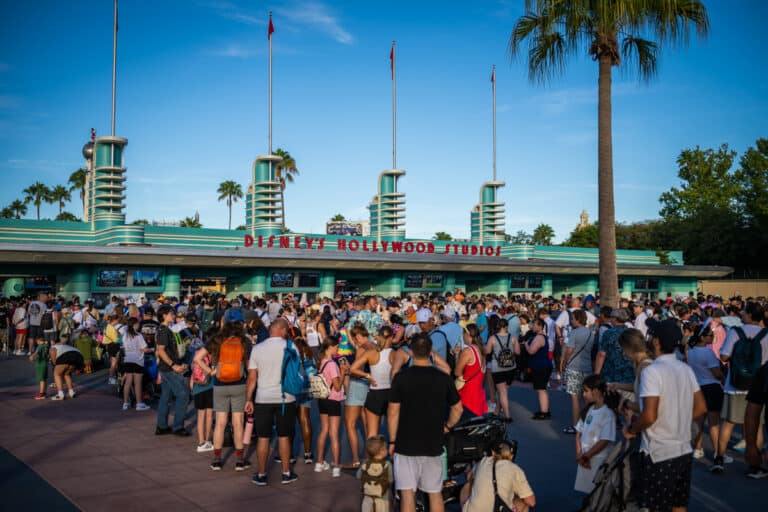
Disney’s Hollywood Studios is the park with the highest average standby wait times, the #1 overall Lightning Lane Multi-Pass attraction (Slinky Dog Dash), and easier same-day availability for tier two attractions and ride reservation refills if you leverage the rolling 3 rule and put a little elbow grease into your refresh game.
For all of these reasons, we usually recommend Lightning Lane Multi-Pass at Disney’s Hollywood Studios on busier days. You can save a ton of time with LLMP, and it’s potentially still the #1 park if you’re looking to avoid stress or do a midday break.
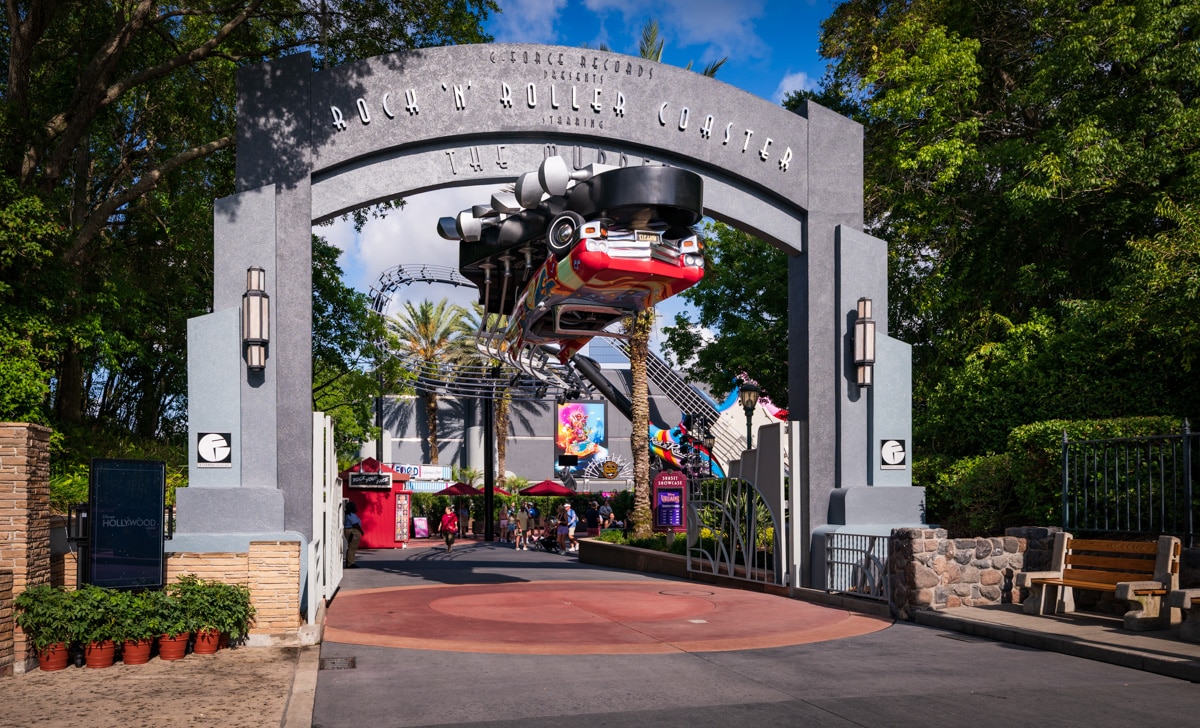
Disney’s Hollywood Studios benefits from Rock ‘n’ Roller Coaster Starring the Muppets, the Mandalorian Mission for Millennium Falcon: Smugglers Run, and Disney Jr. Mickey Mouse Clubhouse Live all debuting for Summer 2026. You could also save 2+ hours via LLMP at DHS. That’s true even if you score fewer Lightning Lanes here than at Magic Kingdom, since they’re higher value.
Is Lightning Lane Multi-Pass Worth It at EPCOT?
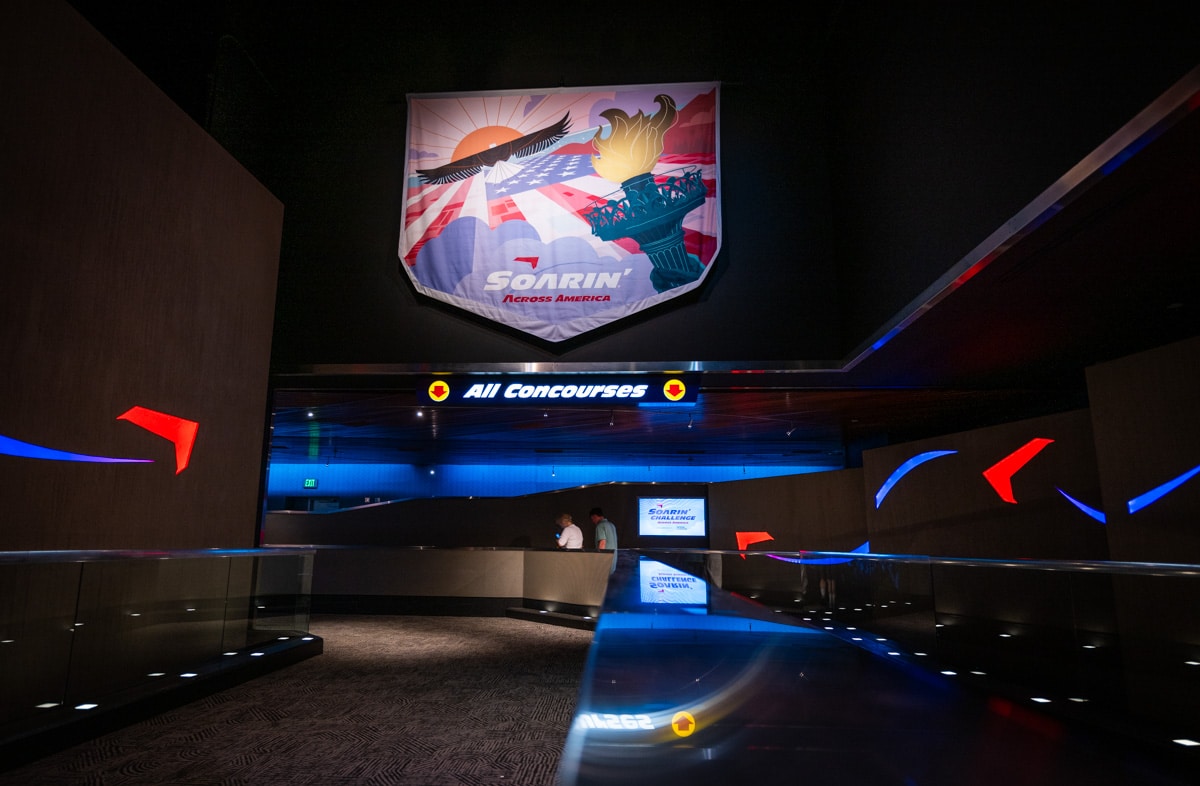
EPCOT used to be the distant #3 park for Lightning Lane Multi-Pass. It’s now more useful, thanks to the reimagining of Test Track, improvements to Frozen Ever After, increased accessibility of Remy’s Ratatouille Adventure, and the new Soarin’ Across America.
With that said, both Test Track and now Remy’s Ratatouille Adventure have Single Rider lines. If you’re willing to split up your group, things get a lot easier. Add to that Early Entry and/or Extended Evening Hours, and it’s still pretty easy to knock out all of EPCOT without line-skipping. That’s doubly true in the summer months, when “Diet EPCOT” makes the park less popular and strategy becomes a lot easier.
Scoring same-day selections for EPCOT headliners is more difficult than the other parks, and you’ll have less flexibility with return times. Since the attractions are all at opposite ends of the park, this can amount to a lot of extra walking. That negates the time-savings and, obviously, tires you out. We rarely buy Lightning Lane Multi-Pass at EPCOT; typically only during the EPCOT International Festival of the Holidays when Living with the Land: Glimmering Greenhouses sweetens the deal.
We never buy Lightning Lane Multi-Pass at Animal Kingdom and only recommend it on the busiest days of the year or with a savvy Park Hopping strategy. No further analysis is necessary here. Animal Kingdom is the easiest park to “beat” with early or late arrival. Just avoid midday and you’re fine. Don’t waste the money on LLMP at DAK.

Ultimately, that’s our park-by-park assessment of whether Lightning Lane Multi-Pass is “worth it” at Walt Disney World. Beyond the above, a good rough rule of thumb is that you should make the purchase (or not) based on the ride reservations you’re able to make at the point of purchase, plus 1-2 additional worthwhile same-day Lightning Lane selections at DHS and 2-3 at Magic Kingdom, and perhaps more if you have a strong refresh game.
More importantly, since reasonable minds may differ on value (as might crowd levels), our theory to why standby lines are shorter and faster moving at the same time that Lightning Lane usage has decreased, even with demand for Multi-Pass and Single Pass appearing fairly strong.
Really, the important thing is that you make an informed decision on the question as to whether Lightning Lanes are still worth the money to you, personally. The key here is to understand that standby lines are shorter and faster moving, with posted and actual wait times that are lower due to the ratio of Lightning Lanes to the standby line changing pretty dramatically.
As should be demonstrated by the forgoing, it’s the “why” of this that really matters. Whether Lightning Lanes are still worth it is going to be subjective–varying based on your budget, tolerance for waiting in lines, and other strategy. It also presupposes that line-skipping ever was worth it in the first place, which I don’t think was the case.
Planning a Walt Disney World trip? Learn about hotels on our Walt Disney World Hotels Reviews page. For where to eat, read our Walt Disney World Restaurant Reviews. To save money on tickets or determine which type to buy, read our Tips for Saving Money on Walt Disney World Tickets post. Our What to Pack for Disney Trips post takes a unique look at clever items to take. For what to do and when to do it, our Walt Disney World Ride Guides will help. For comprehensive advice, the best place to start is our Walt Disney World Trip Planning Guide for everything you need to know!
YOUR THOUGHTS
What’s been your experience with standby lines, Lightning Lanes, and the flow of both at Walt Disney World in the last year or so? Have you been able to score more, fewer, or about the same number of Lightning Lanes under Multi-Pass vs. Genie? Have you noticed any discernible differences? Would you recommend LLMP or just advise sticking to standby given these trends? Do you agree or disagree with my assessment? Any questions we can help you answer? Hearing your feedback–even when you disagree with us–is both interesting to us and helpful to other readers, so please share your thoughts below in the comments!
U ALREADY PAID CRAZY PRICE TO GET INTO A PARP CRAZY PRICE
THEN U PAY FOR LIGHTENING LANE U HAVE TO BE A MORON KEEP DOING THIS N THESE GEEED MONSTER WILL KEEP TALKING U FOR A FOOL
SO STUPID!
We have been to Disney world just about every year fora number of years and we were there again this year, the first week of June. I was quite disappointed with the lightning lane system because once we had booked our first choice and went to choose another one from tier one there were no more available. I felt that for the money that we spent we did not get our moneys worth. That was true for all parks except for Animal Kingdom. They need to restrict the amount of lightning lanes they sell or bring out a second round of lightning lane choices for the afternoon; just a suggestion.
We were there in April. We had no issue getting the individual Lightning Lanes we wanted. We really like getting Flights of Passage, I like to rope drop then have one for later in the morning for a second ride.
In terms of multi-pass I only bought 1 day 7 days ahead and it was only OK in terms of getting making it OK. I treid to book a second day that was 3 days out when we were there and could not get ANY rides we wanted for MK so skipped it. Thanks to staying one late night they had after fireworks we got some rides in without a big wait.
I was just at WDW a couple weeks ago for the first time since I was a kid. I bought LLMP for MK and DHS. I know it was “shoulder season”, but I had zero issues booking good return windows for all my top rides at 7+ days out. Because one of my kids wasn’t feeling well while we were there, we had to rearrange some parks/days, and I was shocked that (with a little luck and a lot of refreshing) I was still able to get popular rides like TBA with return windows that worked really well for us at the last minute. I was also pretty successful in getting refills and managed to group lightning lanes so that we weren’t running all over the place. I did do a lot of research on the nuances of the system and spent a decent amount of time refreshing and modifying, whether that was at night after my kids fell asleep, while riding the bus, waiting for food, etc. Truth be told, I didn’t like being on my phone that much. But with it being 95 degrees and having little kids (one of which has the habit of telling me she has to go potty NOW), I thought it was worth it. We definitely saved a significant amount of time on some rides, maybe only 15 min on others. And I was pleasantly surprised at how flexible the system actually is…we were tapping in to some rides over an hour late without issue.
If I was going with just adults, I probably would’ve saved the money and focused on early entry and extended evening hours. But it’s really hard taking advantage of those with little ones (and the one day we got to MK for early entry, it was totally wasted on a broken down 7DMT), so it was great knowing we could still do rides with basically no wait in the middle of the day…it took some pressure off. My husband and I did feel like it adversely affected the experience in some ways. If you’re trying to maximize the value with LLMP, it’s going to feel like checking things off a schedule as opposed to organically wandering the parks and absorbing the atmosphere, you’re going to be fiddling around on your phone sometimes…but everything has its trade offs. The number one annoyance was actually how often the rides kept going down during our return windows. At least the flexibility of the experience passes is nice, but you can’t always get back to a particular ride after it’s fixed, which can be really disappointing.
We are Passholders and loved the previous Genie+ system. My daughter and I were there a couple weeks after the new system rolled out and we had a very difficult time making it worth our while. We were there last Thursday-Sunday and thought I would try again. I bought 7 days prior to our arrival and was not able to really get what we wanted. I tried to modify all week and it just got worse. On our Magic Kingdom day, we used a lightning lane and I was unable to book anything else as they were all “sold out”. We still had 2 other lightning lanes to use. However, 1 of them was returned to us because the ride went down. Was not able to book it later because it was sold out. 10 minutes later the same thing happened to our 3rd lightning lane. I looked at Hollywood Studios and was able to get exactly 1 lightning lane. It was a waste of money and time. Soooo disappointing. Individual lighting lane? Forget about it. All sold out too.
April, if you had a lightning lane booked for a ride and the ride went down during your return window, you would’ve gotten a select experience pass. (That may not be the exact name, but it’s something like that.) The pass is automatically added to your account, and you can either use the lightning lane for that same ride at any time after it’s fixed or choose from a list of other rides to use the lightning lane for at any time. This happened to me like five times when I was there a couple weeks ago. You should’ve gotten a notification if you had them enabled for the app.
Hi JC! We would have loved to do that but we were unable to. Everything was sold out already. That’s why we just switched to Hollywood Studios. However, we were only able to find 1 lightning lane there as all the others were sold out too. I have never experienced that. We will go again soon but I may seriously reconsider getting LL.
JC is referring to Multiple Experience Passes which can be used just like a LL but without a reservation. See https://www.disneytouristblog.com/outsmarting-no-reride-rule-lightning-lane-multi-pass/
Wow! That is very interesting!! How did I not know this?! LOL I don’t recall it looking like the screenshot but I will try this for when we go next time. Thank you!
Curious, if you would still recommend if park hopping to book multipass lightning lane for Animal Kingdom, tap into something early at 9 o’clock and then try to rebook all lightning lanes to Magic Kingdom for park hopping by noon. Do you think we will have availability of anything worthwhile at MK with the current allotment of lightning lanes if we do it that way? Seems I recall in another one of your posts, that this would be the one of the only reason to book lightning lanes for Animal Kingdom when not a peak week, was to get a cheaper overall price for the multipass and then actually primarily use it at a different park.
Tom question for you sir! Our trip is coming up next month & there are usually a few days we like to not get to the parks until 12-1pm or so. Could I book a FP I really don’t even want- let’s say Turtle Talk 9:30-10:30am- never tap in to that FP- but by 10:35am would it let me book another one from my room? Say check for Soarin availability for instance.
We were there the last two weeks in August 2024, Dec 21st to the 29th, 2024 then May 9th to the 17th this year. Three very distinctly different trip that shaped my final views on LL use.
Tom’s article is accurate in everything.
First:
“you should probably make the purchase (or not) based on the ride reservations you’re able to make at the point of purchase.”
DO THIS! It costs nothing to check.
Second:
“almost never at Animal Kingdom (exception: December 22, 2025 to January 5, 2026).”
SUPER IMPORTANT!!!
August was very hot, sometimes miserable so as a result we never really needed anything but standby. We knew this going in since we go every year. Only mad dogs and Englishmen is the saying and Carolyn’s half English and I’m part so there you have it.
On the plus side the crowds are not really crowds. They’re speed bumps on the standby line.
Because of August’s rotten weather we decided to go back for Christmas and December’s nicer weather.
We’ve been before but this time was the worst. These weren’t crowds, these were masses of humanity that would put wall of death mosh pits to shame. It was awful.
Thankfully we had it well planned out because of experience and Tom’s blog.
My one mistake was only getting the lightening lane for Avatar FOP and skipping the multi pass. Standby for Avatar FOP was over 4 hours. But that was the only ride we could do that day. Dinosaur was over 2 hours! Safari was close to 3 hours. I love Safari. But I’m not giving up 3 hours of my life for it.
After those two trips we decided to try a short one in May in the hope of experiencing lower crowds and great weather.
It should have worked, except it rained… a lot… the first three days. No complaints really. The whole east coast was like that. I still had 4 wonderful weather days after that. Some days we needed LL’s and others we didn’t.
I came away from those three trips realizing no matter when you go you should always check LLMP to see what’s available AND when.
As for LLSP, if it’s a ride you really love or have never done before, then get it. Get it before you leave home.
If it ends up being a day that standby is short, be happy. You still win! It means you can do it twice that day. It’s better than taking the chance and finding Avatar FOP with a 4 hour wait.
I wouldn’t go Christms week without LLMP AND LLSP ever! That is a must!
It’s an extra cost, and can be expensive for a whole family as opposed to two people, but I see it as an investment. Vacation Insurance if you will.
If it’s the money, I’ll do less expensive meals and pass on pricey knick knacks.
It really is all about your priorities.
Tom, curious as to your opinion about whether to purchase LLMP for our trip in two weeks. We’re taking our 6 month old to Magic Kingdom & Epcot. I’ve never used paid FastPass on principle, but thought we might need it with him. However I’m on the fence about whether we really need it with the rides he can do, and also the return times. It does us no good to have a short line if the return time is when he’s sleeping, etc. What’s your experience with Megatron?
Hey Krystal.
I also never used paid fast pass because of principal but there finally came times where unfortunately it made sense.
As to rides with the baby, don’t forget you and your husband can do the rider switch thing for rides that your son can’t do just yet. So if you love Galaxy you can still do it.
Have a great time.
Tom is definitely closer to knowing what might work for a 6 month old since my kids are 8 and 9. However, I do still remember those days. My advice is that it depends on your child’s sleep patterns/needs, your tolerance for being in the heat with your baby, and your baby’s temperament. At that age, my kids took 2-3 naps, which were fairly predictable (whether there was a 3rd nap depended on length of the first nap), and I had an easy time getting my kids to nap in a stroller. (PS, if you’re having any trouble with sleep, my favorite baby sleep blog was Wee Bee Dreaming, which has good sleep schedules.) Also, it depends on if you intend to rider switch or only plan on going on rides your baby can ride. I would probably only do rides the baby can ride with the exception of doing rider switch for Guardians of the Galaxy with LLSP. I would also probably not count on getting too many rides accomplished. If I was you, I wouldn’t get LLMP for EPCOT. I wouldn’t take a baby on Remy’s Rattatouie Adventure. I personally think it is too jerky for a baby. It’s the only ride that made me motion sick. You can’t take a baby on Soarin’. That means you should probably early entry/rope drop Frozen Ever After. Most other rides at EPCOT have shorter lines plus the queues are inside so you don’t have to worry about heat. For Magic Kingdom, I think it depends on how you plan to manage naps. I might do LLs and stack refills for late afternoon. For my first round of LLs, I might try for a 9 am LL and then 2 LLs after the first nap (probably return times between 10:30-11:30; at that age, our baby took a 9:30 am nap). If you could get refills with immediate return times, I would take them but would otherwise stack for a window that your baby is typically awake in late afternoon (for me it would have been between 3:00-4:30 return times). This assumes lunch and a longer nap sometime between 12:00-3:00 pm. Whether you buy lightning lanes depends on your family- you know your baby best and how important sleep and sleep conditions are for you.
Thank yall for the perspectives. We are solely doing rides he can do on this trip, so based on this thinking we may not need them. He’s on 3 naps a day but the lengths are unpredictable and he does about 2 hour wake windows. Think our strategy will be getting there for rope drop and going with his flow
Krystal, I was just there with little ones! Unless you know you can do early entry, I’d consider buying it for MK if you want to make sure you ride Peter Pan, Winnie the Pooh, Jungle Cruise, and/or maybe it’s a small world.
There is more flexibility built into LLMP than you think. This isn’t “official” Disney policy, but from what I’ve read/seen and my experience a couple weeks ago, you can tap in 5 min before your window and 1-2 hours after your window with no issue. I’m not an advocate of exploiting the system or anything, but sometimes things would come up or we’d be moving slower than I expected we would. At one point, we had LLs booked for Haunted Mansion, but my husband has to take our kid back to the room for an unplanned rest because of an earache. I talked to the cast member at the ride, and he said they could tap in later whenever it worked for them. If the tap stile didn’t light up green, I’m assuming they’d just have to politely explain the scenario to the cast member working there, and they’d be let in.
Hi again. I agree with JC’s comment about LL flexibility. The official rule is that the LL can be used up to 5 minutes before and in a one hour window after the start of your LL time, but Cast Members can scan you in outside of that and I’ve also found that they are very nice about it and helpful. My earlier comment wasn’t meant to suggest that the LLs are so inflexible that you need to keep a tight schedule, its just how I would probably use them with a baby, jamming a lot of rides into short wake windows. But LLs are pretty flexible and still could allow you to go with the flow with the baby. For example, if you pre-book LLs at 9:00, 10:00 and 11:00, you could theoretically get on the first ride at 9:45 and the second ride at 9:55 and then get into the third LL at 11:59, or tap into the first LL at 8:55 and the second at 10:59 and third right after, etc. So you could probably get a nap or whatever else between any 2 LLs, depending on your reservations. Alternatively, you could probably try to modify reservations into shorter windows and ride 3 rides within an hour. But do you NEED them? Krystal mentioned never having paid before for LLs, so presumably she has a high tolerance for waiting in line. There are probably only 6 LL rides I would do in MK with a baby (Peter Pan, Winnie the Pooh, Little Mermaid, its a a small world, Dumbo, Jungle Cruise). To ride these without LLs, you could end up waiting maybe 4-5 hours total in line throughout the day, which she may consider doable. Don’t forget that there are probably other things you want to do while there (parades, ahows, non LL rides). With LLs, you’d probably only wait a total of around an hour in line cumulatively. I’m just guessing here. So I would just think through the day, how much time you think you have in the park, and how easy you think it will be for you and your baby to wait in lines. Maybe your baby loves facing out in a carrier and you have a strong back, or maybe you can feed your baby and have them nap in a stroller anywhere you are and short naps in line works for you, and waiting in one or two one hour long lines plus several other maybe 30 minute lines will be fine for you. Just think through what your day might look like, how much time you have, how satisfied you will be depending on how much you get to do, etc, and decide based on that.
We were there President’s Week and felt LLs were 100% worth it. I think we saved at least 2 hours each day of our trip, including at Animal Kingdom. I was able to pre-book all my top LL picks (7 days before arrival; 8 days before our first park day). To ensure getting all LLs we wanted, we did 6 days so that we could do 2 MK days and 2 EPCOT days since that was the only way to get all our top picks (e.g., Remy and Frozen; Peter Pan and Jungle Cruise). Our first day there, at MK the day after President’s Day, I definitely noticed that booking additional LLs was harder than historic data suggested based on what I had researched on Thrill Data. Return times on LL refills were much later than I expected on that first MK day but it was not as bad on the rest of the trip. But with 6 days, we were able to get all the refills we wanted. Obviously this is a higher cost strategy but it was almost stress free. For me, for high crowd days, I’d be happy with 2 really good LLs given the time savings. For EPCOT, just the time savings for Soarin’ + Remy and Soarin’ + Frozen Ever After felt worthwhile. This could be accomplished without LLs with better strategy but we didn’t have to wake up at the crack of dawn and our kids can’t stay late. If we can ever go to Disney not on a holiday week or maybe when our kids are older, I would consider not buying LLs.
We were at WDW May 26th-Jun1. We did not purchase LLMP or LLPP. We noticed significant differences between the posted time and the actual wait times. Usually it was about 10 to 15 minutes below the posted times. On one occasion it was 20 minutes less than posted but that was the exception. We did notice much less LL use. One thing we did notice was the increase in use of single-rider lines. We have been to WDW many times so we will use single rider on RRRC and Everest. We noticed that RRRC cast members did not fill single spots with single-rides, and in some cases where 2 seats were empty, looked for groups of 2 in the line, did not find a group of 2, and let the seats sit empty when they could have been filled with single riders. Everest was much better and the single rider lane moved fine. It was just interesting to see that “single-riders’ are treated as a nuisance.
Single Rider efficiency is often luck of the draw based on the Cast Members doing the grouping. That’s especially true if an attraction is short-staffed or if they’re making more of an effort to find pairs as opposed to solo guests. One shift later, you might’ve encountered something totally different at RnRC (or vice-versa at Everest–although that one is usually great).
We preferred Genie to multipass- we would wake up early book two rides and usually could get most other rides by end of day. With multipass we got a subpar ride to start and literally no available rides the rest of the day- first time we actually went to one of the guest services booths because it was worthless and they did absolutely nothing. I would not purchase it again where purchased genie every park every time. This will be our first trip ever without a form of “fastpass”
I know Disney gets a lot of heat over the handling of DAS, but its a tough situation for them to manage. For years they took a light hand to the gaming of the system, which contributed to thousands of TikTok/YouTube videos showing how to get “free fastpass”. It really had gotten out of control; especially in Disneyland, where there is a higher percentage of annual pass holders. With the recent lengthening of the time between DAS renewal, maybe the pendulum is swinging back from the crackdown.
100%. From the outside looking in, it’s easy to say they should thread the needle better to mitigate collateral damage. But that’s probably easier said than done.
It’s not like Disney wants the viral videos about ‘unfair’ denials or the heartbreaking stories on social media. They absolutely do not. The fact that they’ve continued on with the DAS changes despite that should send a strong signal that the previous system was irreparably broken. Here’s hoping for more incremental improvements to the current system.
We were there in late April. And were amazed at how well the stand-by lanes moved. Pretty much all had actual wait times less than that posted. Waited probably less than 1/2 hour for everything we tried, including Pandora, Rise, Slinky Dog Dash, etc. Although we did skip Guardians due to the extra-long posted wait.
same! We purchased LL and individual LL, but ending up walking on most rides (GoG AND Flights of Passage, RoR included!! We paid for them but also walked on after that!!) We were there the week after Easter and were shocked.