
2026 Tokyo Disneyland Planning Guide

Our 2026 Tokyo Disneyland & DisneySea vacation planning guide offers info for the two Disney parks, resort hotels, and ‘downtown’ district in Japan. We have tips & tricks, where to stay, how long to visit, must-eat food & snacks, best attractions, touring plans, avoiding crowds, and other things to do.
Whether you’re eager to take your first visit to Japan or make a return visit for Fantasy Springs at Tokyo DisneySea, we are here to help you start planning! The brand new $2 billion port-of-call featuring Frozen, Tangled and Peter Pan is now open and is, unsurprisingly, very popular.
The good news is that Fantasy Springs has switched to standby. You can now experience the attractions at Fantasy Springs in Tokyo DisneySea by waiting in line or by using Disney Premier Access (paid FastPass). This means that Anna and Elsa’s Frozen Journey, Peter Pan’s Never Land Adventure, Rapunzel’s Lantern Festival, and Fairy Tinker Bell’s Busy Buggies all ditched their virtual queues and switched to regular ole standby lines. This is a huge change, and one that results in fewer frustrations and greater predictability.
The bad news is that it results in one added frustration, which is that Tokyo DisneySea is now even busier than it was in the months after the new land debuted. We recently returned from our annual Christmas and fall colors trip to Japan, and it was a mostly positive experience.
However, as discussed in Our New Favorite Crowd Calendar for Disney’s Busiest Parks, we no longer feel as strongly about this being the best time to visit–especially not for first-timers. In fact, we’d now recommend consulting that crowd calendar before booking a trip, and choosing dates on the less busy end of the spectrum. (Late Spring 2026 is looking really good to us, just be mindful of avoiding Golden Week!)

Suffice to say, Tokyo DisneySea is still challenging, with long lines to enter the park at rope drop and high average wait times for most attractions. On an average day, you will encounter half-dozen or more different attractions with triple-digit average wait times. On a busy day, there will be 8 attractions with 100-minute or more averages, with 4-5 of those at 180 or more minutes. On the worst of the worst days, multiple headliners will exceed 240 minutes throughout the day.
As such, we still recommend arriving early and packing your patience–or waiting out the rope drop crowd. Either way, you need savvy strategy for Tokyo DisneySea (even more so than Tokyo Disneyland) and, ideally, a willingness to purchase a few Premier Access line-skipping passes.
We cannot emphasize enough how important advance planning is for Fantasy Springs and Tokyo DisneySea as a whole–and probably will throughout 2026 and beyond. With that said, it’s also not our intention to scare you away–we’re simply trying to set realistic expectations, especially given that a lot of TDR coverage is glowing, and glosses over all criticism.

We’ve been back to Tokyo Disney Resort on several occasions in the last 3 years to experience everything that’s new and see how the parks have changed as compared to pre-closure. Even at a slower pace thanks to now having a toddler, TDR is our favorite place in the world. These are still the two best Disney parks in the world. They certainly are not perfect, but they’re still great.
The biggest frustration for us is that these crowds don’t have to be as bad as they are. It’s now been over three years since Japan reopened to individual travelers and the parks are, somehow, still in phased reopening mode. Things still are not entirely back to normal. The parks are not firing on all cylinders, operations remain reduced, and all of this exacerbates the crowding issue.
Staffing shortages are an ongoing issue, restaurants and retail remain closed, entertainment is reduced or modified, hours are shorter, and more. The bottom line is that the Tokyo Disney Resort of today is still very different from the Tokyo Disney Resort of 2019. At this point, we view this as the new normal for TDR.
If it’s your first visit, you probably won’t even notice this. You will absolutely notice the heavy crowds, but you won’t be able to spot the underlying issues or ways these problems were mitigated in the past.
Thankfully, Tokyo Disney Resort still has more (and better) entertainment than the U.S. parks. While there are ways that the entertainment still feels missing or incomplete, this actually is gradually getting better. Relatively recently, the new “Dreams Take Flight” show debuted in the Hangar Stage in Tokyo DisneySea. Following that, Big Band Beat: A Special Treat (the COVID version of the popular Broadway show) ended and is due for replacement sometime in the future (probably 2027, not 2026).
Things should get even better in 2026, thanks to the Tokyo DisneySea “Sparkling Jubilee” celebration, which starts on April 15, 2026 and runs until March 31, 2027. Entertainment highlights include the new “Sparkling Jubilee Celebration” in Mediterranean Harbor and the world dance-themed stage show “Dance the Globe!” in American Waterfront. See Tokyo DisneySea 25th Anniversary Dates & Details for more info about what that event will entail.

In other positive news/updates, Tokyo Disney Resort brought back a version of free FastPass, albeit by a different name. Check out our Guide to Priority Pass & Premier Access at Tokyo Disneyland and DisneySea for everything you need to know about the new line-skipping services.
One thing to note right now is that there’s generally a disparity in crowds and wait times between Tokyo Disneyland and DisneySea, with the latter usually feeling far worse and having higher wait times. This is in large part because Tokyo Disney Resort attendance is driven disproportionately by locals, meaning repeat visitors as opposed to first-time foreign or domestic tourists.
Consequently, Fantasy Springs is driving attendance to Tokyo DisneySea on the one hand, as it’s the big new addition that locals want to experience. On the other hand, a new Space Mountain and Wreck-It Ralph ride are both currently being built, resulting in Tomorrowland at Tokyo Disneyland being a bit of a construction zone.
That plus refurbishments of popular rides is resulting in locals flocking to TDS and avoiding TDL. With this is mind, if you’re going to be more “aggressive” with getting up early or spend more on Premier Access, it makes sense to do that for Tokyo DisneySea. This could change as the year continues and more time passes since the opening of Fantasy Springs, but for now, it’s the dynamic.
For everything else that’s been recently added or is on the horizon, see What’s New & Next in 2026-2027 at Tokyo Disneyland & DisneySea.

Beyond that, a lot of other little changes have happened since 2019. A lot of this is covered indirectly via our 101 Great Tips for Tokyo Disneyland & DisneySea, which offers a wealth of random advice that will familiarize you with a ton of tips & tricks that you should know for navigating the quirks of Tokyo Disney Resort. Our goal with that post is to help first-timers and repeat visitors feel like they are touring the parks like locals. That covers a lot of things that are important but just too granular for a guide like this, such as:
- Mobile Order
- Entry Request (Show Lotteries)
- IC Cards
- Vacation Packages
- Fantasy Springs Tips & Tricks
Obviously, there’s a lot more ground covered than just those four bullet points. The salient point is that technology (the Tokyo Disney Resort app in particular, but not just that) has changed the game since 2019, as has the opening of Fantasy Springs. As a result, visiting TDR in 2026 is much different than it was 6 years ago.
With the latest updates out of the way, let’s dig into planning a trip to Tokyo Disneyland and Tokyo DisneySea…

We’ve spent a ton of time in Japan over the last decade-plus, and update this almost neurotically as we learn from our travels and research. This Tokyo DisneySea and Tokyo Disneyland Guide has been refreshed dozens of times since we first wrote it, and more will be added over time as certain parts are clarified or expanded. We are slightly obsessed fans of Tokyo Disneyland and DisneySea.
Prior to the closure, we visited Japan multiple times per year for 7 consecutive years, including several multi-month stays. We were Tokyo Disneyland & DisneySea Annual Passholders (until TDR cancelled those) who have dined in almost every restaurant and stayed in most hotels at Tokyo Disney Resort.
We recently spent over a month in Japan for our baby’s first trip trip, which included the opening of Fantasy Springs. Of course, we didn’t spend all of that time at Tokyo Disney Resort. The trip started with a week in Tokyo, followed by 3 weeks in Kyoto, before returning to Tokyo for a bit over 2 more weeks.

If you’re just starting to plan a trip to Japan, there’s a lot to consider. We recommend planning your time at Tokyo Disney Resort in tandem with where else you want to visit in Japan. Consult our Ultimate Tokyo, Japan City Guide for recommendations in the city. While we like Tokyo, we far prefer Kyoto.
Kyoto is our favorite city in the world, and a place that we view as essential to a trip to Japan. In our Ultimate Guide to Kyoto, Japan, we offer our “sales pitch” as to why we love it so much, and cover everything you need to know for planning a visit to that wonderful city. Total, we’d recommend Disney fans allocate around two-thirds of their trip to the cities of Kyoto and Tokyo–with more time in Kyoto.
Of course, all of this assumes that you should visit Japan in the first place. Let’s backtrack and address that threshold question…
Should You Visit Japan & Tokyo Disney Resort?

If you have the means to go to Japan or can save for it as a once-in-a-lifetime trip, we think you will be very satisfied with the decision to go. While there’s no question that international travel is costly, traveling to Japan might not be quite as expensive as you might think; you really should crunch the numbers before ruling out the possibility of swinging a trip to Japan. Without question, it’s worth the money for Walt Disney World regulars to visit the Japan parks.
Since we visit Tokyo Disneyland and DisneySea regularly, we’ve been accused of being biased towards the Japanese parks. That isn’t true at all. We’re biased towards excellence. From maintenance to food quality to Cast Member friendliness, Tokyo Disney Resort is in a league of its own. Moreover, we have yet to encounter anyone who has told us they regretted visiting Japan. (If you want to be the first, feel free to say so in the comments.)
Without a doubt, traveling to Japan is outside comfort zones and one of the biggest things holding people back from visiting. From the long international flight to the prospect of navigating a foreign country without speaking its native language, a trip to Japan can be overwhelming. This is normal, and there’s absolutely nothing wrong with being anxious about traveling somewhere because it’s outside of your comfort zone.
Tokyo is a long flight to a place where English is a second language (at best). However, the Japanese are some of the universally nicest and most helpful people in the world. Once you understand the ‘system’ at one Disney theme park, you understand it at all of them, regardless of their dominant language.
In terms of the language barrier, there is not much of one at all. All signs are in English, park maps are available in English, and many attractions have dialogue in English. Even the attractions that have dialogue exclusively in Japanese mostly convey their message through visual means.
More importantly, most Cast Members either speak enough English to effectively communicate with English-speaking guests or can find someone to help you who does. Failing that, a bit of pantomime gets the job done. Verbal communication and pantomime with the first Cast Member you encounter is all you’ll need.
My social skills are poor and I can barely communicate with people in English, and I still do just fine. Irrespective of that, Cast Members in Tokyo are by far the nicest and most helpful in the world, and they will do everything they can to make your experience positive, so long as that does not involve breaking rules.
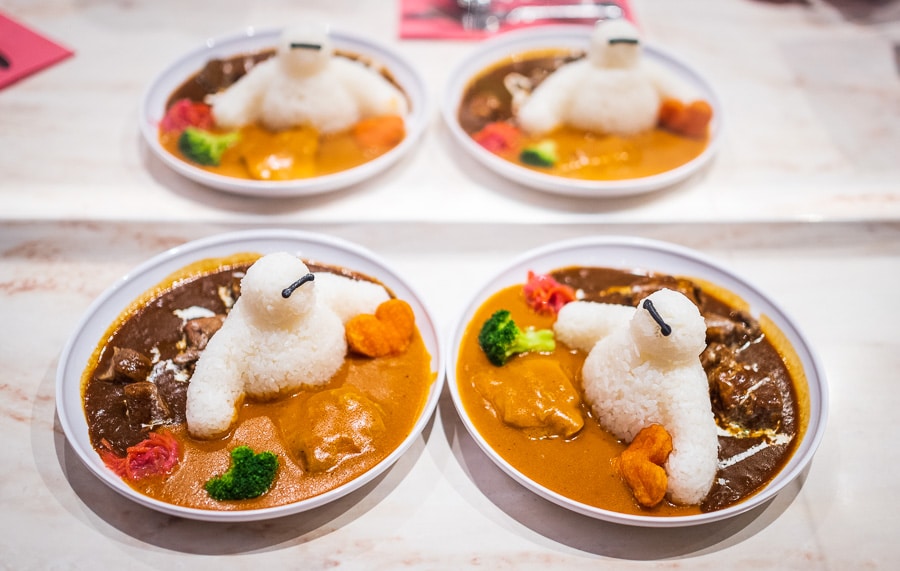
The Japanese concept of rules is different than the US concept of rules. Calling them “rules” might be a bit of a misnomer, because it some cases they’re inflexible policies. For example, you might be used to making substitutions to your meals in the US parks because of a food allergy or preference.
What’s on the menu is what’s on the menu in Japan, and attempts at substitutions or changes will typically be met with resistance or confusion. Americans are more likely to question the “why?” of a rule or policy here in the US and look at whether it really makes sense given the circumstances. In Japan, adherence to every rule/policy/procedure is universally expected, no matter how arbitrary it might seem.
Most of the time, this results in a more orderly, enjoyable experience. Only in Japan is there no line jumping, and everyone sits down for the parades! Sometimes it does have unintended consequences. We know some vegetarians who have gone to the parks and didn’t have the best of times because there were limited vegetarian options and they were unable to make substitutions because a substitution is going against established policy.
How Many Days?
Part of answering this question requires determining how much time you can spend in Japan. If you’re traveling halfway around the world, hopefully you’re planning on seeing more than just the two Disney theme parks in Japan. In addition to these, we’d also strongly recommend spending a good amount of time in Tokyo and Kyoto at the very least.
The other part of answering this question is contingent upon whether you’re a Disney fan planning a pilgrimage to the two best Disney parks in the world, or a regular person visiting Japan who stumbled upon this post via Google. If the latter, two days is sufficient. We have itineraries below for seeing all of the highlights in a single day, and this guide is probably more than you want or need to know about Tokyo Disney Resort.
Those itineraries cover everything from the order you should do rides to experience them efficiently, to where you should eat, and more. Following those touring plans will help you make the most of your time in the parks and see as much as possible in only 2 days.
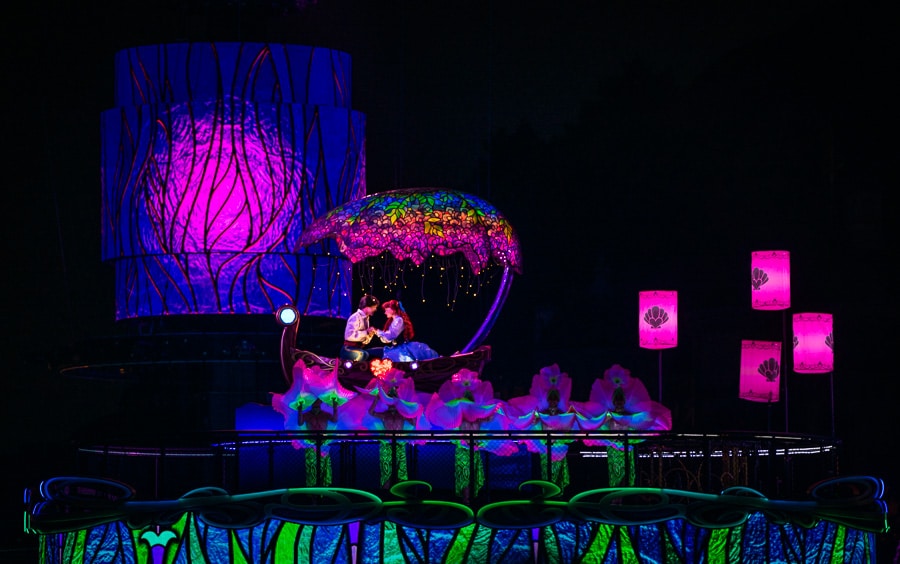
If you’re a diehard Disney fan wondering how many days you should spend at Tokyo Disney Resort…that’s a trick question. No number of days is enough…and that’s only a half-joke. Tokyo DisneySea is the best Disney park in the world and Tokyo Disneyland is also near the top (second best, if you ask me). Think of these parks as “fine moonshine.” You have to sip them slowly enough that you have a nice intoxication, because if you drink them in too quickly, you’re likely to go blind.
Hardcore Disney fans still should not overdo it, and should aim to spend no more than one-third of your trip to Japan at Tokyo Disney Resort–or a maximum of 4 days, whichever is less. Two days in each theme park might seem excessive, but we don’t think a trip to Tokyo is for the type of fan who views the parks as a collection of rides to “complete” as quickly as possible.
In our view, a balanced trip to Japan for a Disney fan includes 4 days at Tokyo Disney Resort, 3 days in Tokyo outside the parks, and 5 days in and around Kyoto. If anything, we’d be inclined to pull a day or two from the TDR and Tokyo portion of the trip to reallocate to Kyoto and other areas of the Kansai region (Osaka, Kobe, Nara, etc). Reasonable minds may vary on that, though.
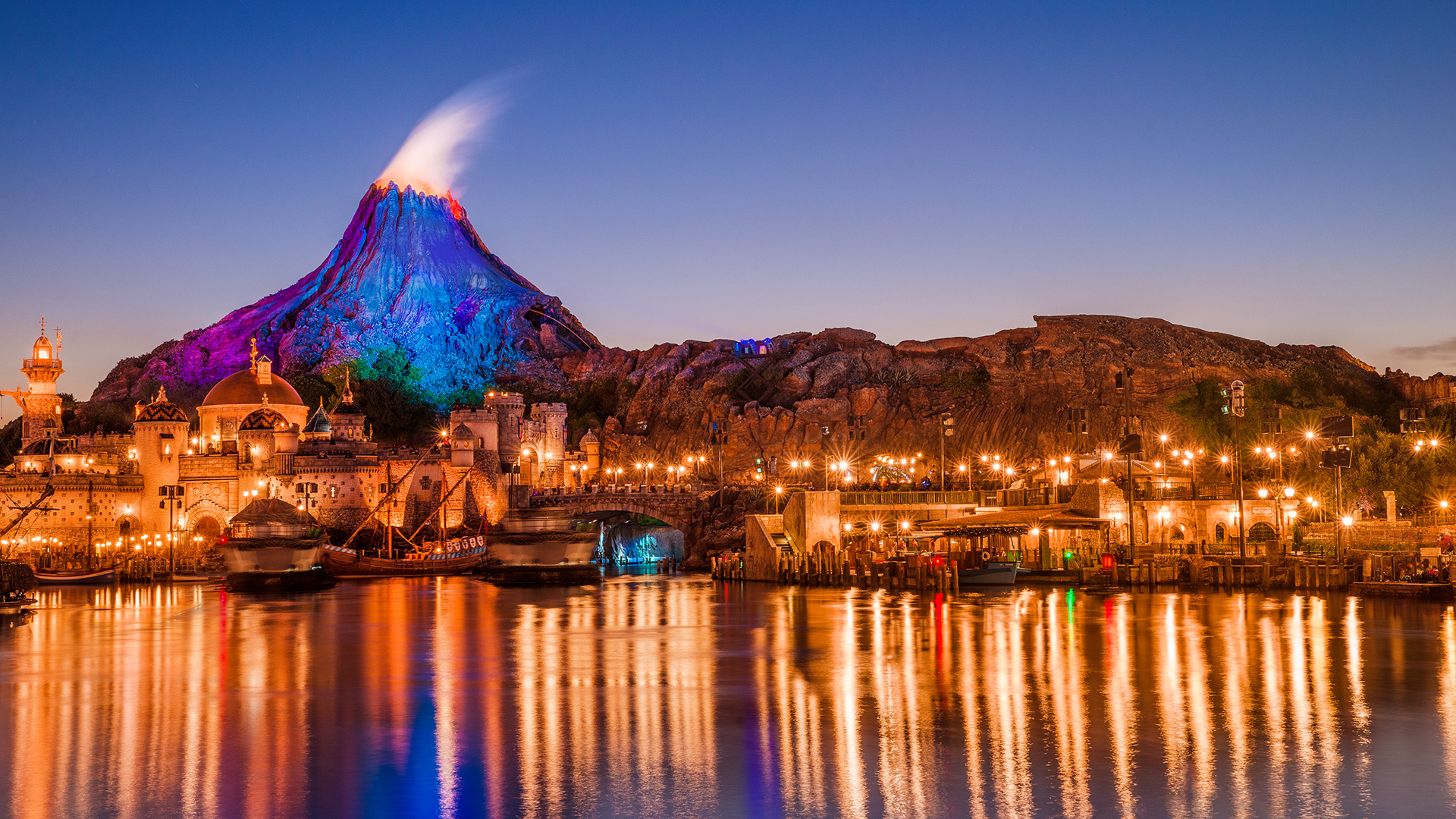
These parks, DisneySea, especially, are meant to be slowed down and taken in. The best “attraction” at Tokyo DisneySea isn’t an actual attraction that you’ll find on any park map. It’s the sense of place that it has, and this is something that you’ll want to spend some time savoring.
When it comes to actual attractions, the lines can be long at both parks. These lines actually starting before the parks open, and guests running for popular attractions immediately. Tokyo Disney Resort’s main demographic is locals, and they don’t mind waiting hours in line for a single attraction because they can always come back later to see others.
When to Visit

Choosing the best time to visit is the most important aspect of planning a visit to Tokyo Disney Resort. We highly recommend reading our When to Visit Tokyo Disneyland post, as that covers this essential topic in much greater detail. Everything from weather (Tokyo has extremes in both directions–it can even snow there!) to seasonal events to crowds is discussed in that post.
When picking our days to visit Tokyo Disney Resort, the first thing we consider is what season we want to visit. For subsequent trips, we wanted to see Christmas, Halloween, Easter, and Summer. We’ve now visited during every season, and they’re all very well done.
Halloween and Christmas are the two most popular seasonal events at Tokyo Disney Resort, and the parks look awesome for both, with a lot of special seasonal entertainment. You can “double dip” by planning a HalloXmas Trip to Tokyo Disney Resort that coincides with both Halloween and Christmas. That’s our absolute favorite time to visit!
With it narrowed down to which season we wanted to see, think about crowds…
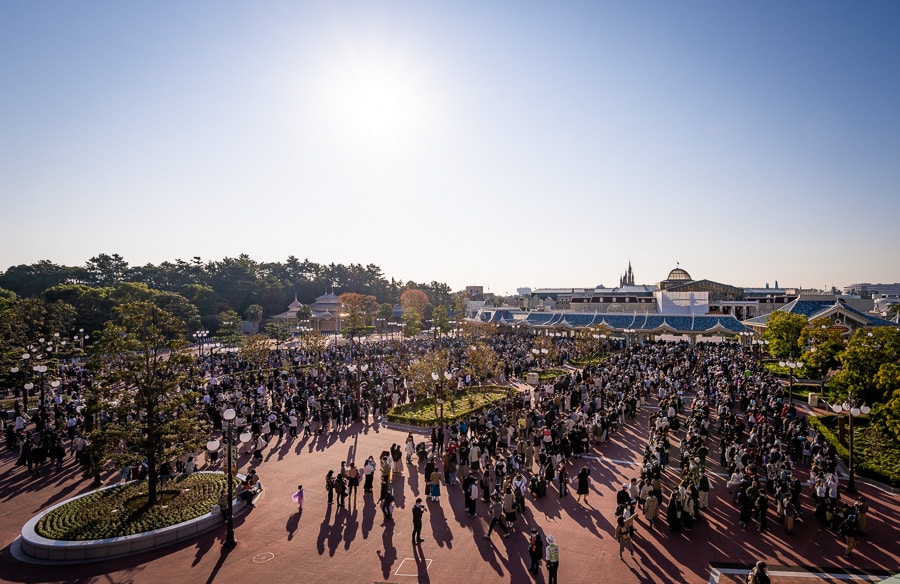
As with weather, Tokyo Disney Resort is a place of extremes when it comes to crowds. This makes it really important to choose the least-crowded dates. Once we choose the time of year we want to visit (see our ‘When to Visit’ post above for recommendations), we generally consult Crowd Calendars for Tokyo Disneyland and DisneySea to pick specific date ranges within the season that are predicted to be lightly crowded.
More important than the time of year is the days of the week you visit. Tokyo Disneyland and Tokyo DisneySea are least busy Monday through Thursday. Friday is the busiest weekday, and weekends are incredibly busy. Avoid weekends no matter what time of year you visit.
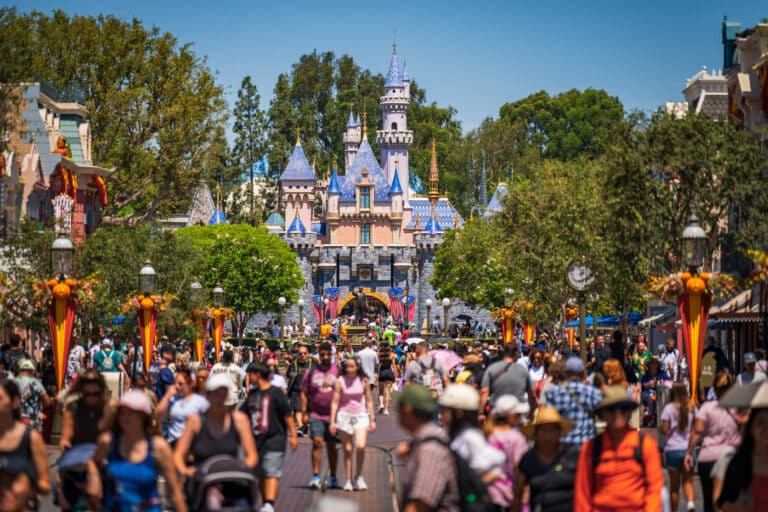
If you’re researching a trip, you might have encountered photos of insane crowds that make you apprehensive about visiting. Crowds in Tokyo Disneyland and DisneySea have taken on “urban legend” status as these photos spread. The reality is that weekends and holidays can be very busy.
On the other hand, low-season days in the middle of the week can feel more pleasant than mid-January at Disneyland. The crowds at these parks fluctuate more than any other Disney parks in the world, which really underscores the importance of carefully choosing days to visit.
What to Pack
For any Disney trip, the things on our Unique Disney Packing List will be helpful. There’s not really anything specific to Tokyo that you will need. No voltage converter is necessary. However, there are a few things you might want to pack for the long international flight.
Sarah had trouble sleeping on our first couple of flights to Japan, so she purchased these reusable earplugs, this sleep mask, and this inflatable airplane pillow. Now she swears by all 3. I could sleep on a pile of hay during a death metal concert, so I don’t use earplugs or a special pillow–just noise cancelling AirPods Pro.
If you’re visiting during the summer, things like Frogg Togg Chilly Pads will also come in handy, as will moisture wicking clothing because Japan gets really humid in June, July and August. Consult our Beating the Summer Heat at Disney post for more info. In the winter, it’s cold and can even snow in Japan, so read our Packing for Disney in Winter post for tips on visiting then.

Outside of the summer, guests in Tokyo Disney Resort typically dress very nicely, which is something to keep in mind when packing your own clothes. Novelty Disney hats are also common with these nice clothes (quite the contrast), but you’ll want to buy your novelty hat in the parks.
We would caution against overpacking. This is especially true if you’re doing more in Japan than just Tokyo Disney Resort. The rail system in Tokyo is incredibly complex, with a lot of transfers. You will do a lot of walking, riding the rail, etc., and you really don’t want to be encumbered by excess baggage, especially during rush hour on the trains.
Perhaps the best advice we can give you is to pack light. Lay out everything you’re planning on taking before you pack it, and determine if you truly need it. Not if it “might come in handy, maybe,” but if you actually will use it. Don’t pack things you won’t use. If you are going to be staying in multiple hotels during your trip to Japan, we recommend packing cubes or compression bags for organization. You can read more of our “carry-on philosophy” and which types of bags we use here.
Buying Park Tickets
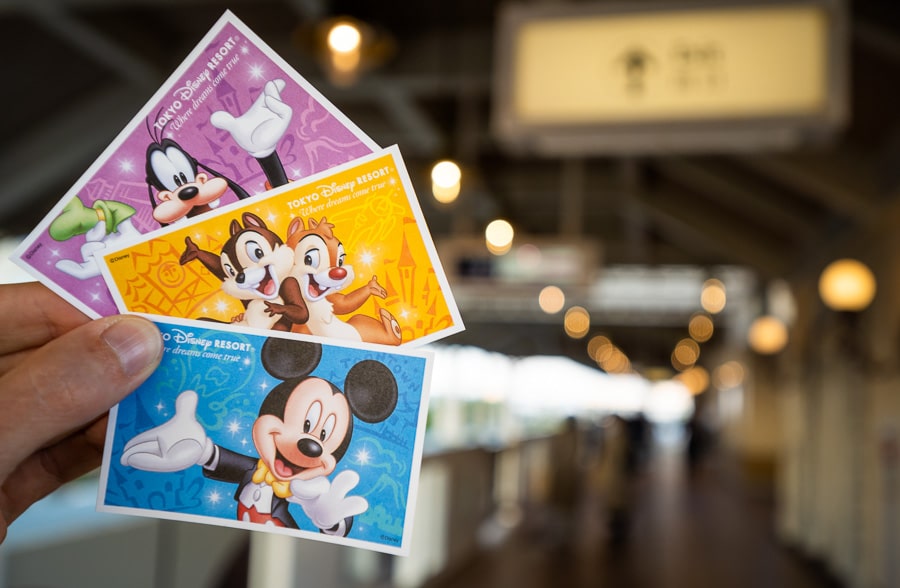
There are several ticket options at Tokyo Disney Resort, we discuss them in more depth in our Money-Saving Tips for Tokyo Disneyland Park Tickets post. If you are going on weekdays during non-holiday season, the easiest option is purchasing your park tickets on the day-of at the front of Tokyo Disneyland and Tokyo DisneySea. However, this isn’t without risk, as tickets can and do sell out for popular dates.
In an ideal scenario, you should buy tickets online about 30-60 days in advance of your trip (tickets are not currently sold beyond 60 days out) to avoid any issues upon arrival. To save money and buy tickets before leaving home, we recommend Klook (if they have inventory–which isn’t always the case). Not only are their tickets discounted, but it’s easier to navigate than the official (and more expensive) Tokyo Disney Resort website.
If Klook is sold out, we recommend using the official Tokyo Disney Resort Online Reservation & Tickets website or the TDR app. Fair warning: these can be difficult to use, and often have issues with credit cards issued by U.S. banks.
Failing all of that, you can wait until you arrive to purchase your park tickets. Just be warned that Tokyo Disney Resort does sell out of park tickets in advance. However, guests of monorail loop hotels (like the Sheraton and Hilton Tokyo Bay) may usually purchase tickets from their hotel’s concierge even when the parks are sold out to the general public.
(This was guaranteed pre-2020, but has become much more hit or miss. Even though the Hilton no longer advertises it online, they typically do have tickets available. We just confirmed this again at Christmas. It’s still true.)
Where to Stay

We have stayed at 10 different hotels in and around Tokyo Disney Resort, plus Airbnb apartments. Suffice to say, we have a lot of experience at hotels in Japan, and almost all of it is positive. For our thoughts on hotel options, read our Hotel Reviews & Rankings at Tokyo Disneyland post, as that covers the topic in greater depth, and provides links to specific hotel reviews.
As for an overview, you basically have three options: off-site, on-site “official,” and on-site Disney. We’ll start by covering the Disney hotels. These are Disney’s Ambassador Hotel, Tokyo Disney Celebration Hotel, Tokyo Disneyland Hotel, Hotel MiraCosta, Toy Story Hotel, and Fantasy Springs Hotel.
They are all very pricey. If you have the money, consider a night or two at Hotel MiraCosta or Tokyo Disneyland Hotel. We’ve stayed at both, and they are two of the most unforgettable hotel experiences we’ve ever had. (We have not yet stayed at Fantasy Springs Hotel, but we have toured it. We were unimpressed.)
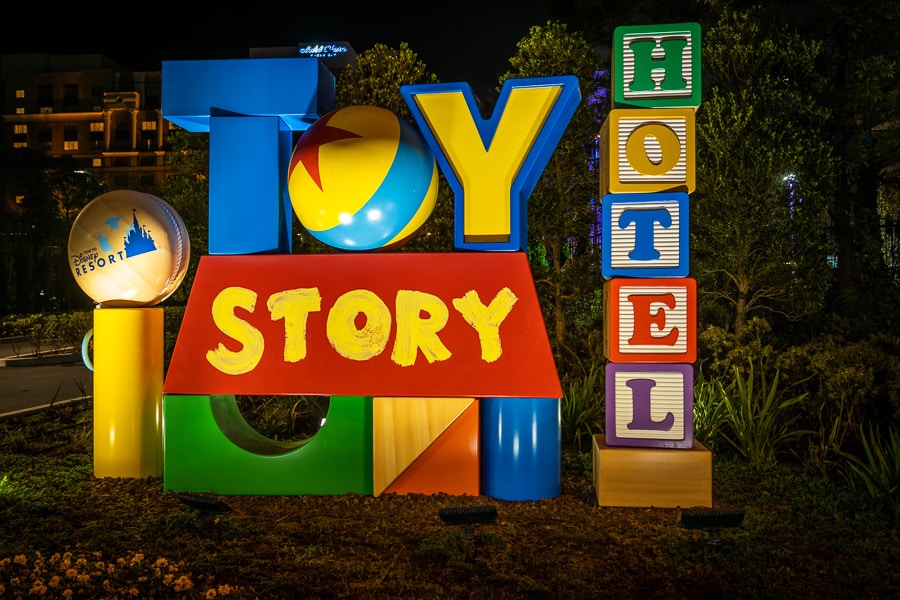
If you’re approaching them solely from a cost-benefit or value perspective, it’s difficult to justify any of the Disney hotels. Their big advantage is location, and that’s biggest in terms of the view from your room (which can be into the park at both Tokyo Disneyland Hotel and Hotel MiraCosta) and not from access, since the on-site official hotels are also located on the monorail loop and also have theme park views in some cases.
Is it worth potentially $200-300/night more than the official hotels for that view into the park? Probably not, unless money is no issue or you’re viewing this as a once in a lifetime trip.
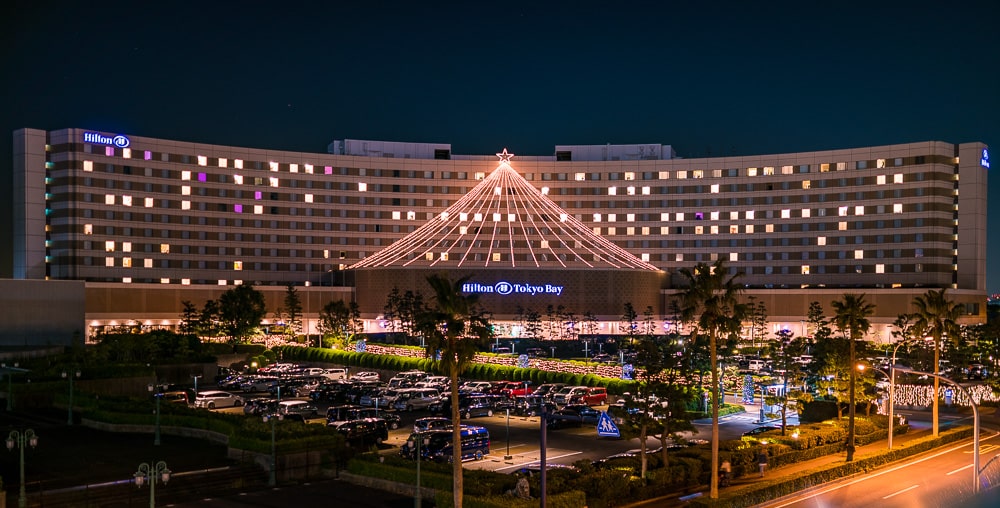
As for the on-site official hotels, these are hotels that are on the monorail loop, and typically offer large, Western accommodations, and are moderately priced given the circumstances. Many compare very favorably to a Walt Disney World Deluxe hotel. Large, nice rooms. Cinderella Castle or ocean views. Location on the monorail loop. All for $130-180/night, most of the time. (Prices do spike for these hotels certain times of year and at the last minute, so book early.)
Finally, there are the off-site hotels, which we do not recommend. There’s nothing wrong with a lot of the off-site hotels, but they are a more unknown quantity with rooms that will typically skew towards small, Japanese accommodations. Plus, many of the ones closest to Tokyo Disney Resort are overpriced considering what they offer.
There’s also the element of getting to and from the parks on public transportation, which can be a real hassle. Public transportation is also utilized by business people and students around the same time you’ll be heading to the parks, making it chaotic.
If you must stay off-site because the on-site hotels or full, or because you’re on a tight budget, we highly recommend doing an Airbnb rental instead…

We have a post that discusses our Tips for Using Airbnb in case you’re unfamiliar with the service. We’ve used it numerous times in Japan, near Tokyo Disney Resort as well as in Kyoto and Osaka. We typically use it on Friday and Saturday nights near Tokyo Disney Resorts, as hotel rates typically skyrocket for those nights.
When we are traveling throughout Japan but aren’t at Tokyo Disney Resort, we prefer Airbnb to booking hotels because it gives us the option for a much larger room, usually an entire apartment. Japanese hotel rooms (that are not Western chains) tend to be very small, and using Airbnb is the best way to avoid this issue.
Plus, the price is usually cheaper than a hotel room, and Airbnb hosts often include free MiFi so you can use the internet on the go. We’ve had some fun experiences staying at unique Airbnb locations throughout Japan, too. (The photo above is from an Airbnb we rented in Japan that was converted from a bar downstairs.)
Attraction Strategy
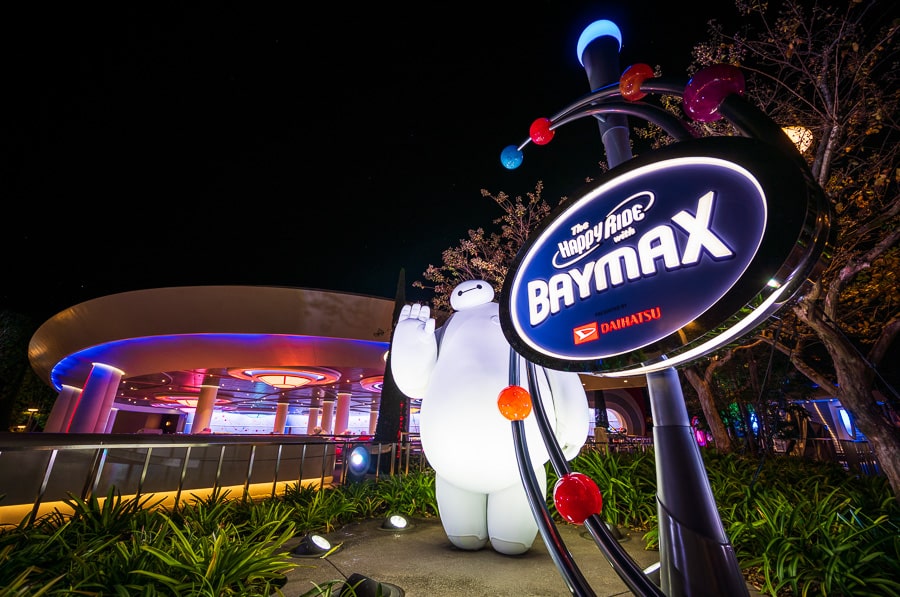
Even if you go at a less-busy time of year, we recommend arriving at either park 30 minutes before it opens for your first couple of days. There will already be a long line (or lines) to get inside when you get there, so don’t be alarmed. Once you get inside, walk briskly (or run lightly) for your first ride of the day.
This is covered in the strategy guides above, but it’s good to reiterate. Once you knock out the main headliners, you can take the ‘sleep in and go late’ approach, on subsequent days if you so desire–but your first day in each park you should arrive prior to opening.
We’ve already written extensive attraction guides for both parks, so there’s no point in rehashing those here. Those guides contain strategy as well as reviews of the attractions. There will be very few attractions you’ll want to skip in Tokyo DisneySea, perhaps more in Tokyo Disneyland (where there are more clones). Here are those guides:
Refurbishments are common at Tokyo Disney Resort, so make sure you consult the Tokyo Disney Resort Refurbishment Calendar before booking. It’s good for about 6 months out, so it may not be of much help.
Where to Eat
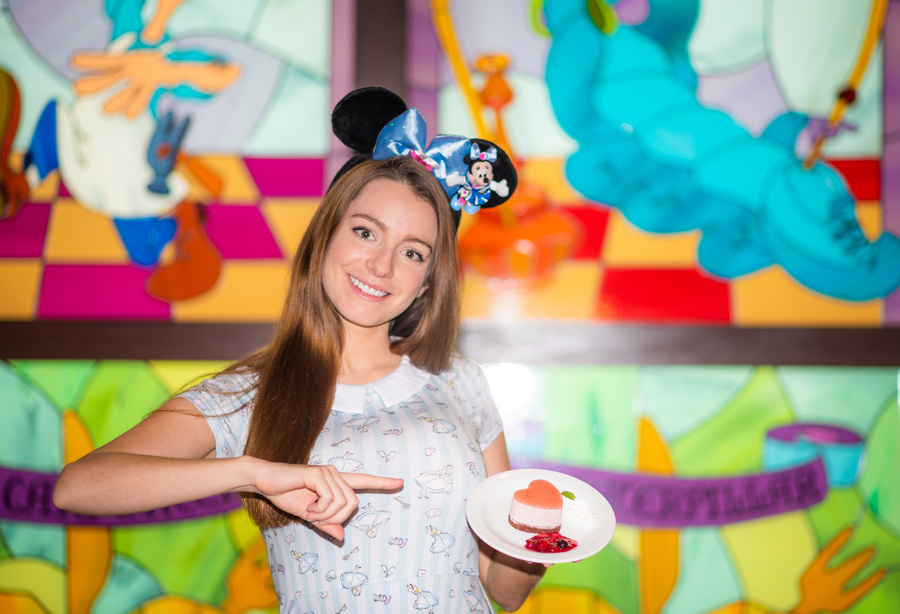
Dining at Tokyo Disney Resort is a huge topic unto itself, and this guide is already getting really long, so this will just cover the basics. First, for specific restaurants, make sure to check out our Tokyo Disney Resort Restaurant Reviews.
We have individual reviews from every Tokyo Disney Resort restaurant, plus restaurant rankings for both parks. We’ve eaten at every single restaurant in the parks, plus many in the hotels and Ikspiari, so that should help.
Snacking should be a big part of your trip. The cost of this can quickly add up, but it’s an integral part of the Tokyo experience. Tokyo Disney Resort has some crazy popcorn flavors, and they’re definitely worth trying so you can form your own opinion.
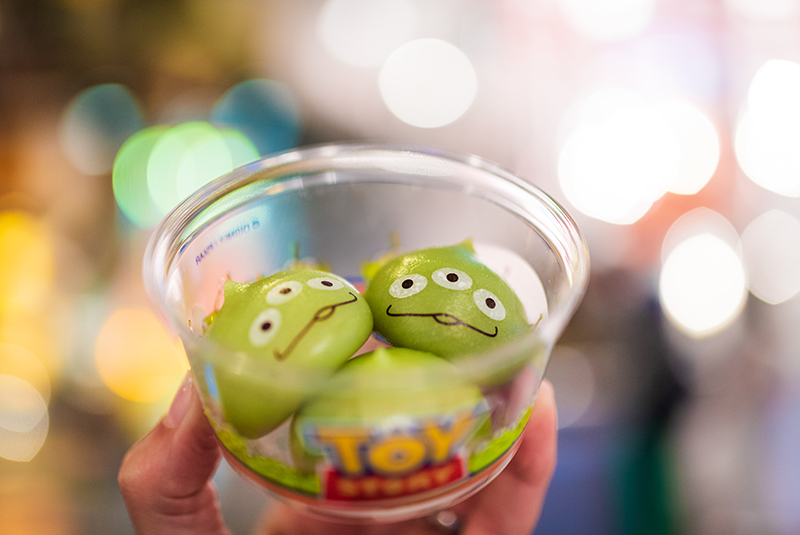
We also like stopping for full meals. In our experience, Tokyo Disneyland is the place to do counter service and Tokyo DisneySea is the place to do table service (its counter service options are also good, though). Both parks have some really amazing restaurants that are experiences in themselves.
The Tokyo parks have a reputation for small portion sizes and high prices, but that’s hit or miss. Portions can be small, but they aren’t always. We think prices are comparable to the US parks for counter service meals (for similar portion sizes and quality), and table service is cheaper at Tokyo Disney Resort. There’s no tipping (and it’s a strict rule–they won’t let you tip) in Japan, which plays a part in the price differences.
If you do plan on doing table service, know that restaurants often are fully booked in advance. Unfortunately, the only way to make dining reservations is through the Tokyo Disney Resort website (in Japanese) or by emailing the hotel if you are staying at a Disney-owned hotel.
As mentioned above, substitutions are not a ‘thing’ in Tokyo, nor is accommodating those with special dietary needs or preferences. If you are a vegetarian, dining in the Tokyo parks will be a challenge, as there are limited vegetarian menus. If you have other restrictions or preferences, you may have an even more difficult time.
Neither of us are vegetarians so we have no first hand experience in this regard, but we’ve heard stories from others. If you are a vegetarian, the buffets are your best option, but vegetarian options at counter service restaurants are starting to become more common.
Shopping
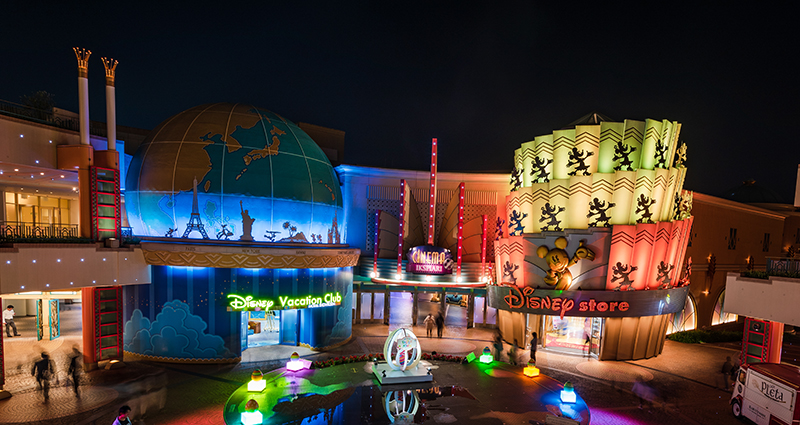
Merchandise at Tokyo Disney Resort is very different from what you’ll find at Walt Disney World or Disneyland. Instead of items with the park logos or attraction names, most items at Tokyo Disney Resort are character-themed or kawaii. Depending upon who you ask, Tokyo either has the best or worst merchandise of any Disney destination in the world.
It’s worth noting that in the last few years, Tokyo has increased the amount of logo merchandise and either things appealing to broader tastes. We’ve found ourselves “embracing the kawaii” of Tokyo Disney Resort’s merchandise more and more, but it’s definitely an acquired taste that isn’t for everyone.
On your arrival or departure day, consider visiting Ikspiari, which is a dining, shopping, and entertainment complex located within walking distance of Tokyo Disneyland, the JR Maihama railway station, and with its own monorail station. It’s Japan’s take on the Downtown Disney concept.
Ikspiari has over 150 restaurants and retail shops, the highlights of which we cover in our Shopping Guide to Ikspiari at Tokyo Disney Resort. Note that while we referred to Ikspiari as Tokyo Disney Resort’s twist on Downtown Disney, it is decidedly not Disney. Oriental Land Company purposefully developed Ikspiari without Disney branding to avoid paying licensing fees.
For those who are big into shopping and want to do some of that in Japan, we’d encourage you to do so in Tokyo proper. Literally every major train or subway station in Tokyo has an above or underground labyrinth of retail and dining. Highlights can be found in the chic storefronts of Ginza and Roppongi Hills, and the otaku items of Asakusa and Harajuku.
However, none of these places will be as compelling for Disney fans as Nakano Broadway, which is full of second-hand stores that cater to collectors and geeks, including Disney fans! We visit Nakano Broadway frequently to buy great Tokyo Disney Resort collectibles. For more info & tips, see our Shopping Guide to Nakano Broadway on our non-Disney blog, TravelCaffeine.com.
Flights & Transportation
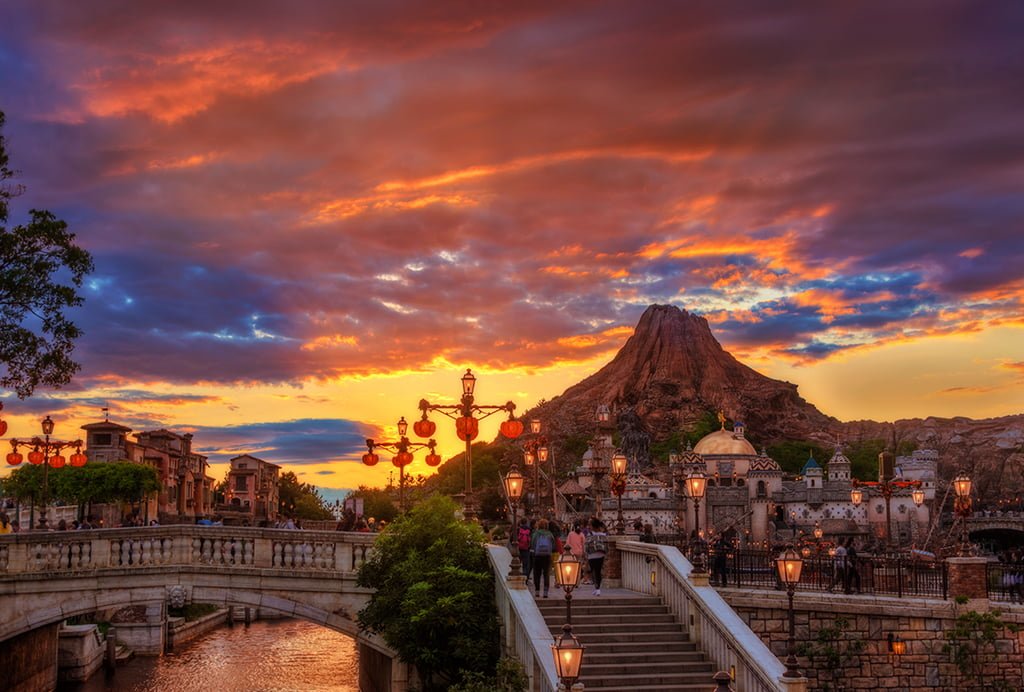
Flights to Tokyo from the United States are 10+ hours, which is a lot of time in the air. Fortunately, the larger planes used for these flights are much more comfortable than your normal planes used for domestic flights. Complimentary in-flight entertainment (including the latest movies and television shows) also makes things easier.
If you know your travel dates and have no flexibility as to when you travel, we recommend ITA Software to search for flights. ITA is the best way to find the lowest prices on airfare for set dates of travel. Either HND or NRT will work as arrival airports. HND is located closer to the city center, whereas NRT is (slightly) closer to Tokyo Disney Resort, but farther from downtown.
If you’re in the preliminary stages of researching your flight, use fare alerts on Airfarewatchdog.com. You can set some parameters for the alerts here (although not as many as I’d like) and receive email updates when they deem prices to be low.
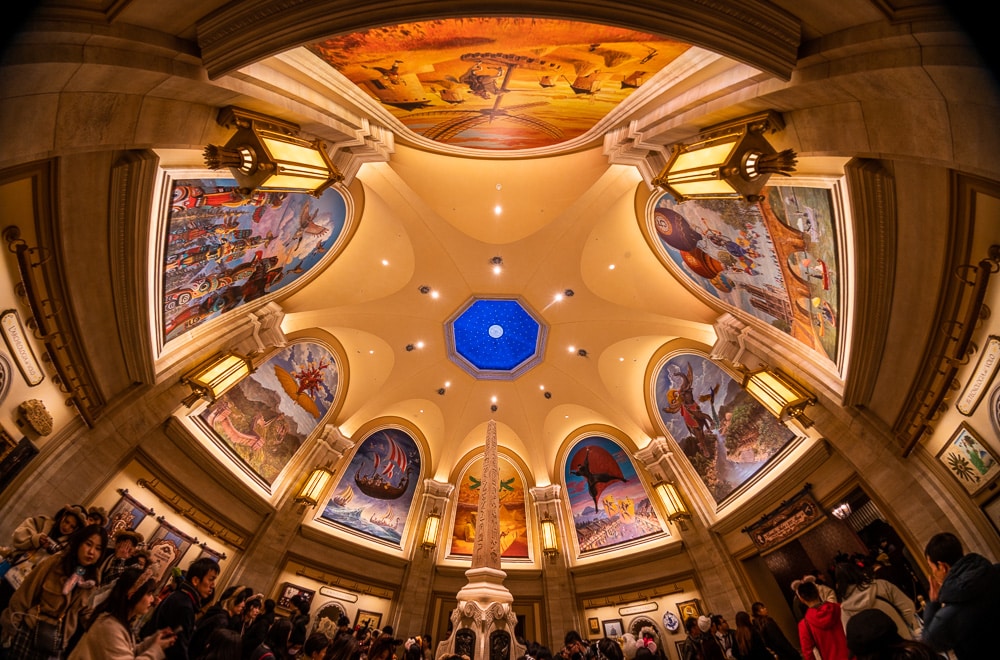
Airfare prices are always changing and are highly dependent upon city of origin, time of year, etc., but with round-trip airfare out of Los Angeles to Tokyo regularly in the <$600 range, your complete airfare package should cost under $1,000/person if you put effort into choosing the right times to travel. If you’re booking at the last minute or don’t do any work to find deals, the sky is the limit on the upper end of airfare pricing.
If you are looking for a way to get more bang for your buck, you can use it to add stopovers to visit multiple locations. We cover this in our “How to Visit 3 Disney Destinations on 1 Airfare” post. It might seem complicated at first, but it is well worth reading that post and figuring it out. That post covers how to incorporate Shanghai Disneyland, Hong Kong Disneyland, and Tokyo Disney Resort into a single trip.
That covers airfare. Now for using ground transportation in Japan…

Out of all of the cities in the world we’ve visited, Tokyo has by far the most complicated transportation network. This should come as no surprise, as it’s the world’s largest city. However, improvements to Google Maps since we’ve started visiting have made this a breeze. (Google now has crowd predictions for trains at different times of day, and recommends certain ones to take!)
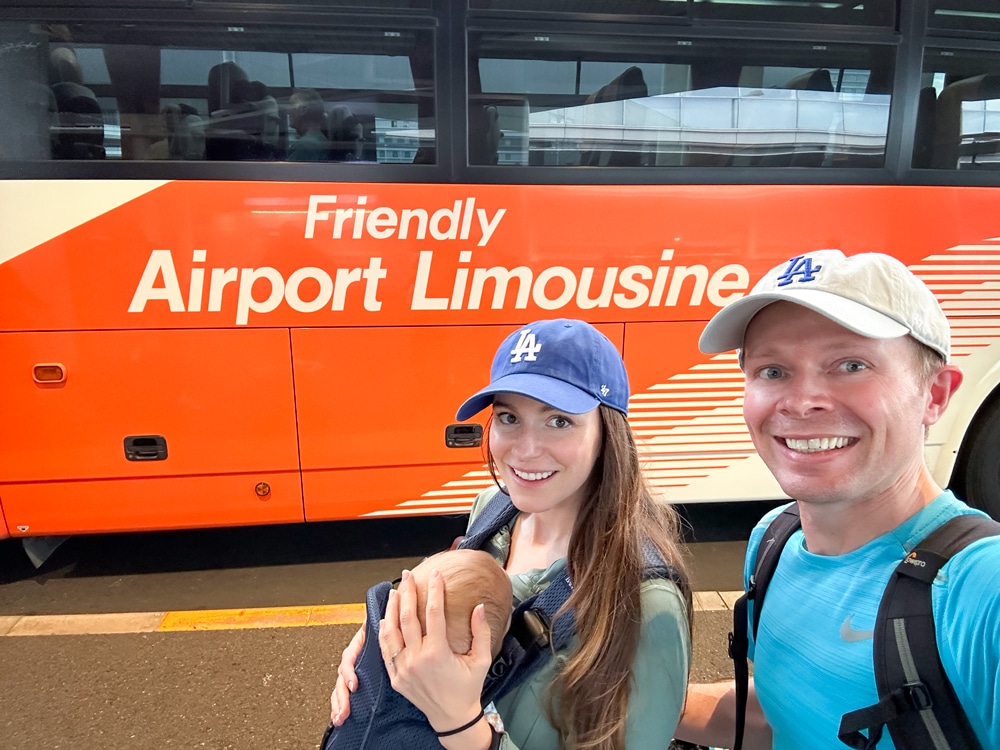
To get from either Tokyo airport to Tokyo Disney Resort, it’s relatively easy. You just take the Airport Limousine Bus, which you catch outside the airport after purchasing your ticket near the exit at a desk or the ticketing machine. It’s more expensive than public transit, but easier and direct. Note that while this bus runs regularly, its schedule generally stops around 5 p.m. Here’s the full schedule to TDR from Narita. If your flight arrives into Tokyo after 4 p.m., you should probably look at other options.
If you’re getting in really late, the easiest alternative is a taxi. These are waiting outside the airport and easy to find. The downside is price. Our understanding is that the cost of a taxi to a Tokyo Disney Resort area hotel from Narita is $200.
The cheapest alternative is to use public transportation. It’s intimidating at first, as Japan’s public transportation system is very complex, but we ultimately have had no issues and it’s a relatively straightforward route from the airports to Tokyo Disney Resort. Just use Google Maps.
Getting around Tokyo Disney Resort, you’ll want to take the monorail. It costs money, but it’s efficient, reliable, and clean. (That all might sound bizarre to Walt Disney World fans…especially the “reliable” part!) There are also Resort Cruisers, which are buses, that are free of charge. Just pay the minor fee for the monorail unless you have a large party. It’s fun and totally worth it. Walking is also an option, although it can be convoluted to get to Tokyo DisneySea.
Phone/Internet
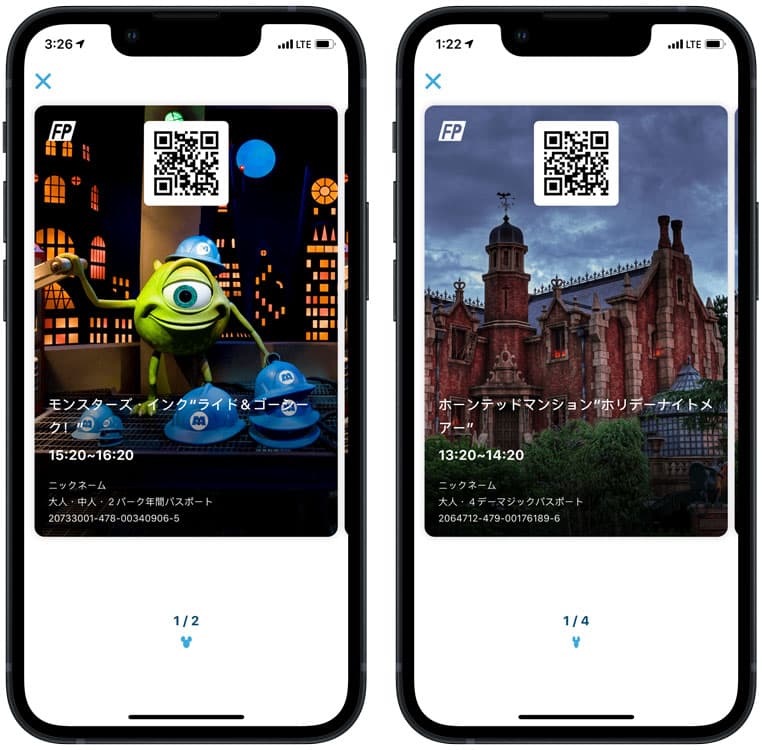
There are three good options for this: renting a SIM card, renting a pocket WiFi/MiFi, or using your carrier as normal. We now use T-Mobile and simply use that as there’s no additional charge to use our data in Japan. It runs a bit slower, but we’ve found it perfectly usable for regular internet browsing. It’s becoming more common for cellular providers to offer international day passes that are comparably priced to MiFi, so check out that.
Renting a SIM card is a great option for some people, but we really liked the MiFi rental for our trips prior to switching to T-Mobile. For those unfamiliar with the device, it’s basically a pocket WiFi hotspot, providing you with unlimited LTE internet. MiFi/Pocket WiFi rental is pretty easy. You simply choose how many days you want to rent, how many devices, and specify at which airport you’ll want to pick it up.
We recommend renting one MiFi per person in your group, so you can communicate if you separate. If you will not–under any circumstances–separate, just get one MiFi. A single MiFi can handle a few phones on it simultaneously. We highly recommend renting in advance of your trip. If you wait until you arrive and simply pick one up from the shops at the airport or at a convenience store, prices are higher and data is typically limited.
While the internet can sometimes be spotty in Tokyo DisneySea, the MiFi overall is really reliable. We’ve used it regularly for iMessage for communicating with one another, email, Dropbox, and even uploading to YouTube. Most importantly, having the MiFi gave us the ability to use Google Maps on our phones for public transportation, and this was a huge lifesaver.
There is no publicly-available WiFi internet at Tokyo Disney Resort, except at the entrance to each park. Free public WiFi is uncommon in Japan. (By contrast, it’s very common in Hong Kong, if you’re going to both.)
Money/Credit Cards
Tokyo Disney Resort (and most Japanese retailers) accepts standard US magnetic strip credit cards, or chipped credit cards. Within the parks, Tokyo Disney Resort accepts Visa, Mastercard, and American Express. If you’re trying to pre-book something online, you’ll sometimes need a credit card issued in Japan or a Mastercard. It can be a painful process, but we haven’t had any major issues in the last couple of years (knock on wood.)
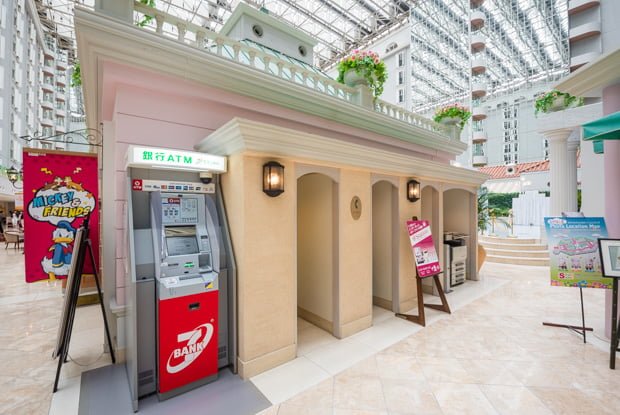
If you need an ATM, there are two at Tokyo Disney Resort that accept American Visa debit cards. One is in the basement of Ikspiari near the food court, and the other is in the lobby of the Grand Nikko Tokyo Bay Maihama Hotel (pictured above). If you’re staying at one of the official hotels on the monorail loop, the second location is going to be far more convenient to you. Typically, you do not need to carry cash at Tokyo Disney Resort, but you might need it in the city of Tokyo.
Other Resources
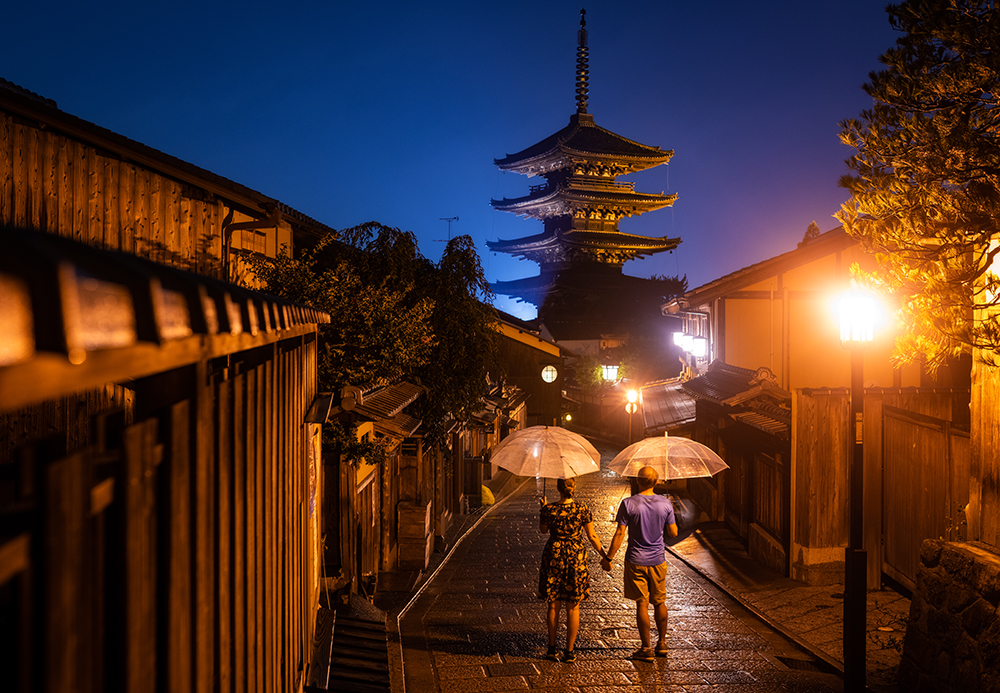
For general travel advice to Japan, we have another blog: TravelCaffeine.com, where we share our non-Disney experiences. We have written extensively about our favorite city in the world: Kyoto, Japan on TravelCaffeine. Kyoto has something for everyone, and offers a lot in terms of Japanese culture and history. As mentioned above, our Ultimate Guide to Kyoto, Japan also provides a wealth of planning information.
If you’re also visiting the Hong Kong or Shanghai parks, make sure to consult our Hong Kong Disneyland Trip Planning Guide and our Shanghai Disneyland Trip Planning Guide. There’s a lot more you’ll need to know for those visits!
There’s a lot more we could include in this guide, but this is already the longest post on the blog to date, so let’s cut it off there. We will definitely add to this based on common questions, and I’m more than happy to offer assistance and advice in the comments if you have questions. Want to see more photos or read about Tokyo Disney Resort in agonizing detail? Check out our Tokyo Disney Resort Trip Report from our very first visit to Japan over a decade ago, when we too were newbies!
Your Thoughts
Planning a trip to Japan is a lot of work, but it’s ultimately well worth the effort! Hopefully this guide provides a good jumping off point. If you’ve visited Tokyo Disney Resort, do you agree or disagree with our advice? Any questions? Hearing your feedback–even when you disagree with us–is both interesting to us and helpful to other readers, so please share your thoughts below in the comments!



Hi Tom
First of all thanks for your fantastic guide to all things Tokyo Disney. We have been dipping in and out for months in anticipation of our trip (three weeks to go!). Could you give me some really basic advice! I will be travelling alone with my son. Never been to a disney resort or even a big theme park (We live in Scotland). What I want to know is how do things work regarding bags/cameras etc. Do you leave them somewhere at each ride? Do I need everything in a small bag that zips? Cant get my head round it!
Thanks
You can take the camera on any rides with you. Put it in a bag, hold it, whatever.
Love all your informative blogging Tom – you have been an invaluable resource for all our Disney trips 🙂
We usually travel in January because we don’t handle crowds well coming from such a small country, but our currency is starting to fall against the US and is predicted to fall further by the end of the year – subsequently, we’ve been considering Tokyo Disney Resort as an alternative.
I am not worried specifically about the language barrier, as we’re a family of intrepid travellers, and are used to the challenge, but I am concerned that we might not get the Disney experience we’re craving…… Youtube videos showing beloved characters talking in voices that were vocally very unlike the familiar voices we’re used to (think Characters in Pooh’s Hunny Hunt), let alone that we don’t understand much of what was actually being said, that it just didn’t seem appealing at all.
For comparison, we’ve only been to Disneyworld/Disneyland four times in total, so I wonder if it’s simply that we’re still so enthralled with what we know in the US, that we aren’t yet ready to take that next step…..
It’s a long way from New Zealand to anything, so you have to really want to ‘commit’, and despite your glowing-references, I’m still not sure :-/
DO IT!!!!!!!!!!!!!!!!!!!!!!
I just got back from Tokyo. Coming from someone who lives in southern california, and has had a disney annual pass for four years here, I have to say that Tokyo Disneyland was our worst disney experience ever. We got there right after it opened, and didn’t go one one single ride. 30mins after the park opened, all the lines were already 3hr waits. At noon they closed the ticket counters due to the park hitting max capacity. When we were ready to eat, we thought about just getting a snack since there were massive lines for the restaurants. Epic fail. Just the popcorn line was an hour long. The line for the bathroom was 30mins. You can’t see or walk cause there were so many people. The acreage of the park is bigger, but theres not more rides, just a lot more open spaces for lines to wind all around. It was just an awful experience. We also went to Tokyo Sea a different day, which we were able to go on some of the rides. Tokyo Sea was a lot less crowded, yet somehow all the rides were still 2hours along. We ended up being a little miserable on that day though too; because the park is close to the ocean, it is pretty cold and was really windy. Our Tokyo Sea day was freezing. I thought I was on a mountain it was so cold. The funny thing about both parks, is that a dinky ride that maybe a 10-20min wait usually in california, is a 2-3hour wait in Tokyo because it is really popular. I don’t know anyone, unless you have pretty young kids, that really like the Pooh ride. yet in Tokyo, that is the most popular ride of them all. It’s funny to see that the big thrill most popular rides in California are the least popular in Tokyo
Sorry to hear that you didn’t enjoy your experience, but I find it very hard to believe that all lines were 3 hours. I’ve been there on several capacity days, and never encountered a situation where every line was that long. Some, yes, not far from all.
Tokyo Disneyland and DisneySea are very popular, and headliners do see very long lines, making planning and a willingness to experience less popular attractions that much more important.
Pooh’s Hunny Hunt in TDL is insanely popular because it’s BETTER than the dinky version at DL. ML and HKDL. To call them the same ride is like saying the HM is the same attraction as the ghost train at your local country fair.
I’d recommend you try doing some research before travelling again, otherwise, caveat emptor!
I just returned from a trip to Tokyo, where two days at Tokyo Disneyland were a massive highlight — and your blog proved immensely valuable and accurate. Thank you!
To future planners: this blog is spot on about the size and passion of Tokyo Disney’s crowds. As a former cast member and life long Disney park attendee, I’ve never seen anything like it. And I was attending on freezing cold (40-45F) weekdays in January, when there were no school holidays, etc. I fully expected that cold temps would keep people away. i was very wrong.
That said, if you’ve learned over the years about how to navigate a Disney park on a busy day, the exact same things apply here. You work the Fast Passes, hit the main attractions first thing, go see Country Bears & Tiki Room when everything else is busy. Pretty standard game plan.
TOKYO DISNEY SEA: Wow, what a park. The entire thing felt like what WDW or Disneyland would do if budget just wasn’t a limitation; I’ve never seen such extensive “plussing” in terms of design, theming, staffing and upkeep. The attractions are super fun, even when in Japanese, and you’ll really come to appreciate the ways Disney parks have learned to tell stories, give advice, recommend options, etc, in visual communication styles and non-verbal body language from cast members. (If you’ve ever wondered how non-English speakers can flock to Orlando and have a blast, you’ll finally get it.) I think this blog dismisses Ariel’s Mermaid Lagoon too much; I found the whole thing pretty enchanting and fun. The Tower of Terror is superb, although is the plummet a little less deep than Orlando? It felt so. Lines here felt more manageable than at Tokyo Disneyland, and I rarely waited more than 20 minutes, even on a pretty busy day. The queues for various flavored popcorns did kinda shock me, but a LOT of guests had those refillable popcorn buckets that you can wear around your neck. All in all, it’s a gorgeous park with excellent attractions that you’ll wish they’d bring to Florida or California.
TOKYO DISNEYLAND: Gorgeous. Sooooo pretty. I was completely enchanted from the moment the ‘rope drop’ occurred and a marching band welcomed everyone with the classic “M-I-C-K-E-Y” Mickey Mouse Show theme, in the exact arrangement I’d always heard growing up. Nearly everyone SPRINTS to Pooh’s Hunny Hunt, where FastPasses were gone within two hours of park opening. The attractions were in great shape, especially Space Mountain, and I was completely charmed by the expanded Critter Country that follows the theming of Splash Mountain. Sadly, I couldn’t stay late enough to watch the Electrical Light Parade… but my day there was enchanting. The park is in beautiful shape; it really felt like what Orlando or Anaheim wish they could have done if they’d had more space and more money. Just a lovely park.
OVERALL TAKE: the staff are SERIOUSLY peppy and friendly, but even those in Guest Relations had quite a bit of trouble with colloquial English. Like much of Japan, they could get their point across, but you needed to rely on very basic English constructions to ask questions. Nearly all cast members knew the required English for their role — making change, asking how many guests in your party, etc — but if you ran into a snag, you might have trouble. Rely on the very well designed & informative English guide maps.
GENERAL TRAVEL THROUGH TOKYO: It’s true that the Friendly Airport LImousine Bus (a huge company that’s great, honestly) stops running shuttles from Narita to the Tokyo Disney area around 5 PM, so if this is your first stop upon arriving in-country, I’d schedule a flight that arrives earlier in the day. Lugging bags from Narita through 3 train stations, up and down staircases, etc., would intimidate even the most world-seasoned traveler, and a taxi would run you over $200 USD. A taxi is cheaper from Haneda… but that Airport Limousine Bus is the best way to go.
WHEN TO GO: I was there in January because of a work visit, but even in cold weather, this place is packed. Wait times for the top attractions quickly stretched beyond 90 minutes. Thankfully, a lot of the queues are indoors, but people just bundle up for the day and go enjoy themselves, and there are an endless supply of adorably cute Disney hats, gloves & mittens for kids & grownups. If I could go back again, I’d probably shoot for spring or fall.
Thanks so much for the great blog and informative entries!!!
Thanks for all of the feedback–glad you had a great trip and shared your experience here!
As always, an informative and thorough guide, Tom. The crowd calendar translation on Google Chrome is extremely entertaining. Some gems include “49999 people a little crowded (spicy and not familiar)” “19999 people rattle” “70000 people – violently congestion”
Google Translate is the best for humorous TDR content. Even on the official Tokyo Disney Resort Blog, you’ll get some gems like that.
By the way, you have a great blog. Congrats.
Hi. Very helpful. I’m going there with my siblings on April. We have 2 kids. Which hotel offers free buffet breakfast? Thank you.
I don’t think any of them–at least not the on-site ones–offer free breakfast. They each have nice breakfast buffets, but they cost money. At least, to my knowledge this is the case.
Thank you so much for putting this together!!! We (hubby, sons and I) will be travelling to TDR in 2016, for my 60th birthday, and I have been trying to research this, as it’ll be our first trip to Asia.
Since 2 of us are teachers, we will be limited to traveling in the summer, but based on the crowd calendar you posted, I’m thinking the first week of July might be our best bet.
TDR will be our main focus for the trip, but we are also big baseball fans and would like to see a Japanese baseball game too, while we are there. Do you have any information or resources on how to get tickets to that?
Sorry, I know nothing about baseball in Japan.
One thing to keep in mind is that the humidity in Japan during the month of July can be brutal. Early on shouldn’t be bad, but there’s always the chance.
Another thing to keep in mind is that Disney’s Easter runs until late-June, and it’s supposed to be one of the best seasonal events. We are planning a trip that coincides with the changeover from Easter to Tanabata Days to take advantage of 2 seasonal events!
http://www.giants.jp/en/schedule/201604.html
Tokyo Giants tickets can be bought directly online. Here is the schedule link. Not cheap but much better atmosphere than at most MLB parks.
I have been to disney a few times and have booked all my tickets(flight, hotel, car) from lowendticket.com. Yep!!!!
I got dirt cheap deals. Well no harm in looking at other travel sites too.
FWIW, I think this is spam, but I’m leaving it since I cannot verify that. Use that site at your own risk.
Great report! The menu substations is a rule that’s very useful to know in advance, wish I had found this before our last visit (we have been 3 times).
We are APs at WDW, DLR and DLP, but Tokyo is our favourite!
We usually stay at Ambassador, which is more readily available that the other two, but on our trip last September we got into both Miracosta and Disneyland hotels. Sooo nice! The shower at Disneyland is awesome (rain shower), which is a weird thing to love I know.
If meeting characters another useful rule to know in advance is 1group=1 picture. BUT, if there’s a professional photographer, what’s great to do is have them take a group pic on their camera, and for your 1photo take one of the character posing without us (useful for twitter posters).
The best restaurants were the ones in the hotels, awseome muliticourse menus! For those with dietary restrictions the buffet at Disneyland hotel offers a large selection of Japanese, Chinese and Western food.
If travelling from the airport by bus, check out the timetable for the domestic terminals too, they have more frequent pickups and longer hours.
We did take taxis a few times, it cost us from haneda 10,000-15,000 ¥ and 20,000¥ from Narita, but we were not travelling during peak hour.
If you book a Disney hotel through the Disney website reservations system (which is in English), you can then immediately book hotel restaurants, including cafe Mickey, and park restaurants 30 days out. I don’t think this works if youre booked through a travel agent though.
Next trip, Halloween 2015 😀
Hi there, I really LOVE your blog 🙂 I am travelling to Tokyo Disney in March and I was there last February, but March is gonna be crazy crowded. Anyway, last time we got by making Priority Seating “reservations” the day of for each restaurant, but this time I would love to experience the dinner shows and character dining at Chef Mickey. We are staying at Hilton Tokyo Bay so cannot book through our hotel. I heard the reservations hotline has English speaking people now that should be able to do PS, is that true? Though apparently, they do not make those character reservations. I got through the website with google translator but I cannot make it past the point where I need to set up an account with a Japanese address to actually book :/ Is there ANY way for me to get my reservations ahead of time?? Any help is greatly appreciated…
I have not heard that about the reservations hotline. I think it’s one of those hit or miss things…they might be able to understand you, they might not.
You might try using the address of your hotel in Tokyo. They aren’t going to mail you anything, so it doesn’t much matter. (I still think you’ll have problems, but it’s worth a shot.)
I guess I will just try to call then 🙂 I tried online with the hotel address but couldn’t make it work…oh well we will see. Thank you for your time 🙂
We are WDW veterans, Annual Passholders, and empty nesters. Our touring style for WDW has morphed to 2 1/2 – 3 week trips in the camper staying at Fort Wilderness, and we generally spend 3-4 hours tops in a park per day (and usually late afternoon, then a nice dinner out).
We plan to go to Tokyo Disneyland/Disney Sea and will probably splurge and stay at the Ambassador. (As part of an all Disney Parks around the World Tour over 3 months) From what I’ve read, I “think” as Disney resort guests we can get park hoppers for every day of our stay. We plan to be in the area for 8 full days. I’m hoping this is true, because I’m hoping we can still do the 3-4 hours per day over 8 days, but adjusting our usual to early morning, then rest at the hotel, then out again for a couple of hours for dinner and the night time show. (We will probably use one day for a city tour somewhere in Tokyo) (We’re not very culturally adventurous).
Does this sound feasible?
Yeah, they have special tickets for hotel guests that allow Park Hopper. I view this as TOTALLY unnecessary, as each park has more than enough to fill a single day, including nighttime entertainment. YMMV, though.
If you’re considering 8 nights at the Ambassador, I’d also recommend instead splurging on Tokyo Disneyland Hotel or Hotel MiraCosta. They are unique in ways that you’ve never seen–whereas the Ambassador is a really nice hotel, but nothing truly special. I know both TDLH and MiraCosta cost more than Ambassador, so if that’s the issue, maybe do a split stay?
A quick question about your thoughts on someone visiting for the first time during the christmas season… My husband has been to TDR several times, but never during christmas. It will be my first time visiting. If you were visiting for the first time, would you recommend going when there aren’t overlays and special parades/entertainment. Or would you recommend that a first time visitor should experience a more “typical” TDR?
I have only two days to spend in Tokyo Disneyland / Sea. I am thinking of spending two full days just at Sea because I have been to California Disney and Disneyland several times. I have preferred California more than Disneyland because the rides are more thrilling than those in Disneyland.
Can you advice if I am making the correct decision to skip Disneyland Tokyo and spend two days just in Sea?
Hi, thanks for your excellent reviews!
I just want to tell you that you are an awesome person. Thank you so so so much for sharing all these tips. Great photos too!
Hi Tom,
Thanks for all the great info! I enjoy following your posts about all Disney parks.
We’re leaving for a visit to Tokyo on 11/20. It seems like I’ve read this somewhere but can’t find it now….do you recommend buying park tickets in advance or when we arrive? We’ll be staying at Disneyland Hotel. Seems like I read that if we buy tickets there, we’re able to park hop on all days.
Thanks!
Jen
Hello Tom,
First I’d like to thank you for all your articles. My bother and I have decided to add a trip to Disney Sea and Magellans for our first international trip. I am wondering though if we will be able to ride any of the attractions and was wondering if you have any insight (google hasn’t been helpful) I’m 6’3″ 350 lbs and he is 6’2″ and 270lbs?
I’m still going to go as I’m excited to see Disney Sea with the holiday lights and treats. We are going at the beginning of December.
Hi Jason – I’m pushing 130kgs myself but am just under six foot.
I found I could ride everything at the TDR except for Raging Spirits and, by all accounts, that kinda sucks. For a nation that’s generally more diminutive, TDR is surprisingly accommodating for bigger people.
I’m leaving for Tokyo next month! We have a late afternoon arrival (25 minutes before the last limo bus departs) and we found an airport transfer through Viator. It’s a shared transfer – but a lot of the reviews state that they had a car to themselves. It’s $46 per person (we’re a group of 2)…so came out more than limo bus would have, but much less than a taxi. They also have a driver waiting for you with a sign at the airport. It got good reviews on viator, so I’ll report back if it all goes well! (the company that does it is Green Tomato).
Hi Tom,
A friend and I are heading to TD in Mid November. In order to save some money on hotels [the hilton seems to be no less that $280 a night yikes] do you think it is worth traveling from tokyo early in the morning on the first of 3 days and leaving late at night on the third? Hopefully that makes sense.
I have a ton of other questions but am going to consult your guide fully first.
The big one is do you have a general total budget per day or some sort of reference to get a sense of how much the whole trip to TD will cost us?
thanks,
charley